Regular cappuccino drinkers
If several people make milk-based coffees regularly, straightforward controls and clear cleaning responsibilities are important.


For several people who make cappuccinos regularly, a bean-to-cup machine with a dedicated cappuccino setting is an obvious choice – although everyone still needs to agree on who looks after the milk system. An espresso machine involves more hands-on steps, while a capsule machine with a separate milk frother may suit occasional use. For a chocolate flavour, add syrup to your cup or dust cocoa over the foam; you don’t need a dedicated chocolate programme.
If several people make milk-based coffees regularly, straightforward controls and clear cleaning responsibilities are important.
If you want to control the espresso and milk foam yourself, allow for the extra steps and the care needed for the steam wand.
If you only make cappuccino now and again, consider whether there’s room on your worktop for a separate milk frother as well as the machine.
A good choice if: several people want to make cappuccinos at the touch of a button.
Things to consider: the milk system and other parts of the machine still need regular care.
A good choice if: users want to make and customise their own espresso and milk foam.
Things to consider: someone will need to handle the manual steps and clean the portafilter and steam wand in the kitchen.
A good choice if: you only need espresso occasionally and have space for separate espresso and milk-frothing appliances.
Things to consider: the machine and milk frother need worktop space, and capsules are an additional consumable.
A good choice if: you want to make standalone chocolate drinks as well as chocolate cappuccinos.
Things to consider: a chocolate function is only available on specific models that explicitly list it.
In a shared kitchen, the machine should make the whole daily routine easier, not just prepare your drink. Ease of use, worktop space and responsibility for milk-system care all go hand in hand.
| Priority | What to check when buying | Who is this especially important to? |
|---|---|---|
| Cleaning and milk-system care | Check which milk-contact parts are removable, read the cleaning instructions and see how easy it is to access the brew group. | If I don’t want milk residue left behind after shared use, we need a clear cleaning routine. Around 28 % of consumers consider cleaning their top priority. |
| Chocolate flavour and milk foam | Decide whether you want cocoa as a topping, syrup in your drink or a dedicated chocolate programme. | If I want to combine espresso, chocolate and milk foam, the recipe needs to suit the machine and its accessories. Around 22 % of consumers put the chocolate recipe first. |
| Ease of use | Check the cappuccino setting and what you need to do to add milk and chocolate on the specific model. | If different people use the machine, I want a routine that’s easy to repeat. Around 22 % of consumers prioritise ease of use. |
| Worktop space | Measure the machine together with any separate milk frother or grinder you’ll need. | If there’s little free space on the shared worktop, the whole coffee-making set-up needs to fit. Around 17 % of consumers focus mainly on the space available. |
| Accessories and consumables | Check whether capsules, ground coffee, a grinder or a separate frother will suit your planned routine. | If I want to keep extra appliances and consumables to a minimum, I need to know in advance what my chosen method involves. Around 11 % of consumers share this priority. |
The Philips EP2231/40 is listed as making espresso, coffee and cappuccino. A separate chocolate function is specified for the De’Longhi Maestosa EPAM960.75.GLM, but not for all bean-to-cup machines.
First decide whether cocoa on the foam or syrup in your cup will do. Only look specifically for a chocolate programme if you want to make a standalone chocolate drink.
Siemens describes an automatic steam-cleaning function on the TE653501DE that runs after milk drinks. Philips recommends rinsing the milk-contact parts of LatteGo after every use.
Compare the cleaning instructions for the specific model and agree who will take care of each step in the kitchen.
If you’re using whole beans with an espresso machine, you may need a separate grinder. A capsule machine bundle with a milk frother takes up space for two appliances on the worktop.
Measure the whole coffee-making set-up, allowing room for accessories and the steps you’ll need to carry out.
Depending on the method, your routine may involve milk, chocolate, capsules or a separate grinder. With a manual machine, you’ll also need to handle the portafilter.
Check which ingredients and appliances the people sharing the machine will need to set out regularly and clean after use.
The EP2231/40 bean-to-cup machine has a cappuccino setting and a LatteGo milk system.
The Dedica EC685.M EX:4 is a slim manual espresso machine with a steam wand. The Maestosa EPAM960.75.GLM is a separate model with a dedicated chocolate function.
In the Essenza Mini bundle reviewed, the capsule machine makes espresso and a separate Aeroccino 3 froths the milk.
The EQ6 plus s300 TE653501DE is a bean-to-cup machine with a dedicated cappuccino setting.
The Bambino Plus SES500BSS4EEU1 combines a portafilter with an automatic steam wand.
The models below include bean-to-cup machines with milk systems, a semi-automatic espresso machine and capsule machines with milk frothers. You can add syrup or cocoa separately for chocolate cappuccinos.
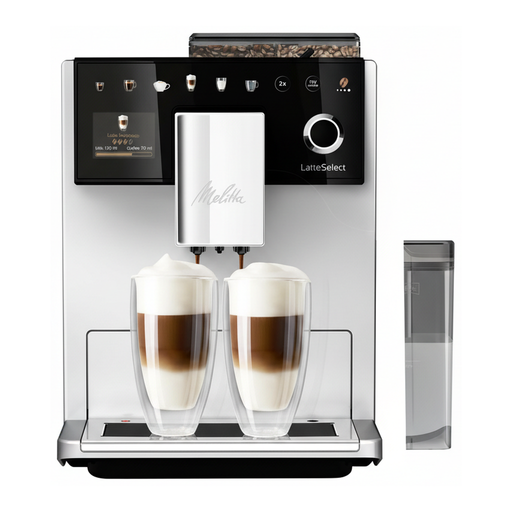 No product image available
A cappuccino setting and automatic milk frothing make this a good fit for a kitchen used by different people.
Built-in grinder and adjustable drink settings. The milk system should be cleaned daily.
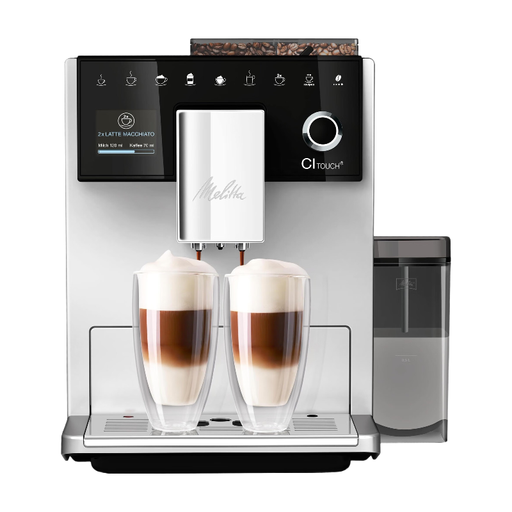 No product image available
For several users, saved profiles and the option to prepare two drinks at once are useful features to look for.
The description lists up to four user profiles, ten preset recipes and a milk system.
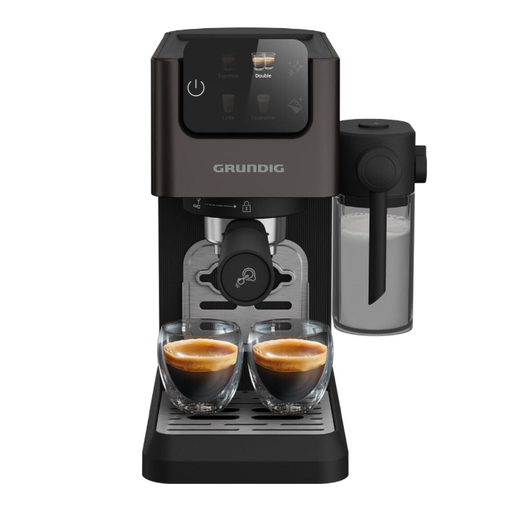 No product image available
This semi-automatic espresso machine may suit users who want to fill the portafilter themselves and handle the extra steps.
Built-in milk container, touch display, automatic milk frothing and double nozzle. Rated at 1,628 W with 20 bar pump pressure. The portafilter parts and milk container should be rinsed after brewing.
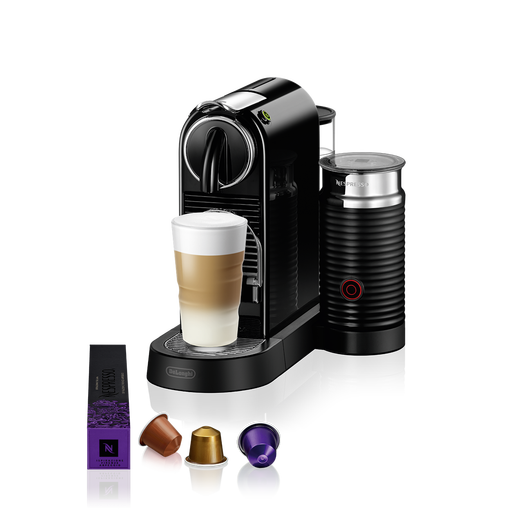 No product image available
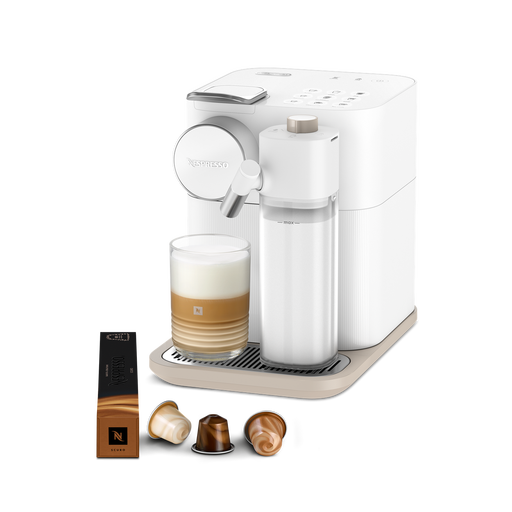
The capsule machine and separate Aeroccino milk frother are one way to prepare espresso and milk foam separately.
Programmable espresso and lungo buttons, two cup sizes and 19 bar pump pressure. Nespresso-compatible capsules are required to make coffee.
 No product image available
The one-touch milk system and cappuccino setting can make the process easier for different users.
The removable milk-container parts are described as dishwasher-safe. A rinse cycle is recommended after milk drinks, and Nespresso Original capsules are used to make coffee.
No, not if you want to make cappuccino with chocolate syrup in the cup or cocoa on the foam. If you want to make a standalone chocolate drink, look for a function that’s specifically listed for the model you’re considering.
Agree who will clean the milk-contact parts after use and return the milk to the fridge, following the storage instructions on the packaging. Philips recommends rinsing LatteGo after every use; for other appliances, follow the relevant care instructions. The German Federal Institute for Risk Assessment explains why perishable foods need to be kept chilled.
Measure the machine together with any accessories you need, such as a milk frother or grinder. A manual espresso machine may need a separate grinder, so a slim machine doesn’t necessarily mean the whole coffee-making set-up will take up little space.
No. A 2025 price check by the Verbraucherzentrale (consumer advice centre) at eight shops in Baden-Württemberg found coffee grounds to be considerably cheaper than capsule coffee. The findings don’t give a definitive cost per cup, so also compare the ingredients and cleaning products you’ll need for your own use.
Your statutory rights apply against the seller; a manufacturer’s guarantee is an additional voluntary offer with its own terms. The Verbraucherzentrale distinguishes between these two types of protection. Check who is named as the seller in the specific offer and what additional guarantee terms, if any, apply.