Families who eat breakfast regularly
If several people eat the same variety on weekdays, a larger pack is likely to be more practical. What matters most is how quickly your household will actually get through it.


A larger pack of chocolate cereal or chocolate muesli can be a good choice for weekday breakfasts if several people regularly eat that variety and you expect to finish it. If you like to switch between varieties or need to consider ingredients and allergens for several people, check the specific product first and choose the pack size accordingly.
If several people eat the same variety on weekdays, a larger pack is likely to be more practical. What matters most is how quickly your household will actually get through it.
If you need to take wheat, milk, soya, almonds or possible traces into account, check the labelling on each specific pack. The brand name alone doesn’t tell you enough about the recipe.
If chocolate cereal is only on the breakfast table some days, a medium-sized pack may suit your needs better than stocking up on a large pack of the same variety.
First, decide whether your household wants chocolate cereal or chocolate muesli, and check which ingredients are suitable. You can then choose a pack size based on how much you get through during the week.
| What to consider | What to check when buying | Who it matters most to |
|---|---|---|
| Pack size | Compare the net weight with how much you expect to use each week. | If several people in our household eat the same variety on weekdays, I want to have enough in the cupboard without being left with an unnecessarily large amount. Getting the pack size right is the top priority for around 40% of consumers. |
| Ingredients and allergens | Read the ingredients list, highlighted allergens and any warnings about possible traces on the pack. | If someone in our household needs to avoid certain ingredients, the specific recipe matters more than the pack size. Around 30% of consumers put checking ingredients and allergens first. |
| Product type and nutritional values | Know the difference between chocolate cereal and chocolate muesli; compare sugar and fibre using the nutritional information per 100 g. | We want our chosen variety to suit our usual breakfast, and I also want to understand its nutritional profile before buying. This is the main concern for around 20% of consumers. |
| Storage | Read the storage instructions and think about how you’ll reseal and store the pack once it’s open. | If a pack is going to stay in the cupboard for a while, I want to be able to store it properly after opening. This is the top priority for around 10% of consumers. |
The wording on the pack alone won’t tell you whether the amount inside suits your family’s needs. The range listed by EDEKA24 includes chocolate-flavoured breakfast products in different sizes, including 440 g, 500 g and 750 g packs.
Compare the net weight with the number of people who actually eat that variety and how often it’s served for breakfast.
Chocolate-flavoured products can contain different grains and other ingredients. Kellogg's lists wheat flour in Choco Krispies Chocos; Nestlé lists wholegrain wheat, milk, soya and almonds among the ingredients in Clusters Schoko.
If you have allergies or intolerances, check the labelling on the pack you’re buying, even if you already know the variety.
A serving size and a value per 100 g refer to different amounts. According to Kellogg's, Choco Krispies Chocos contains 22 g of sugar and 6.0 g of fibre per 100 g; these figures apply to this specific product.
When comparing different varieties, use the nutritional information per 100 g for each one. You can also compare the stated serving size with the amount you’d normally serve at home.
Choco Krispies Chocos is a chocolate cereal made with wheat. The information below relates to this product, not every cereal from the brand.
Nestlé offers several cereal ranges. Clusters Schoko is one of them, made with wholegrain wheat and almond ingredients.
Alnatura Organic Chocolate Oat Crunchy Muesli is a crunchy chocolate oat muesli, so it’s a different type of product from a classic chocolate cereal.
This selection includes one chocolate cereal and several chocolate-flavoured mueslis in medium and larger packs. Start by choosing the product type and checking the ingredients, then pick a pack size to suit your household.
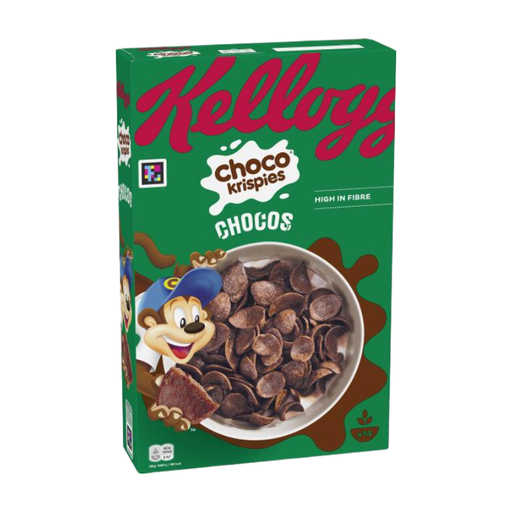 No image available
A chocolate cereal in a 420 g pack for households that don’t want to stock up on a larger amount of the same variety. Check the ingredients and allergens on the specific pack.
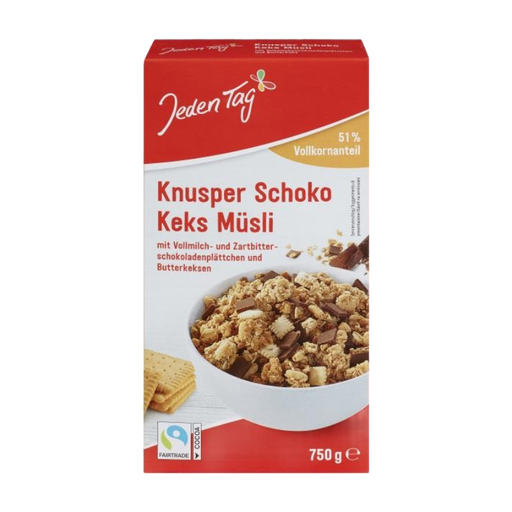 No image available
A chocolate-flavoured crunchy muesli in a 750 g pack, ideal if people in your household regularly eat the same variety. Before buying, check the ingredients and allergen labelling.
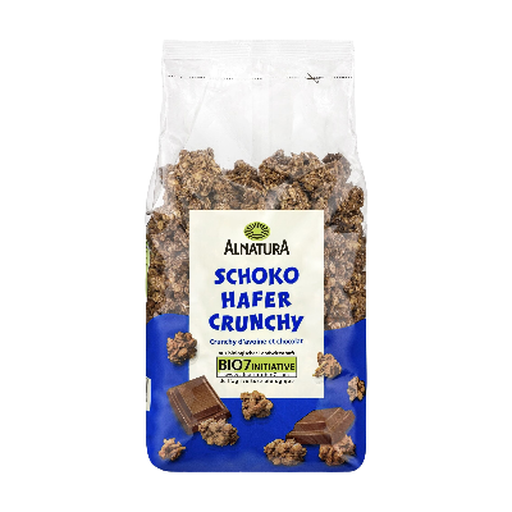 No image available
A 750 g pack of crunchy chocolate oat muesli for households that regularly eat this type of muesli. Check the ingredients and storage instructions on the pack.
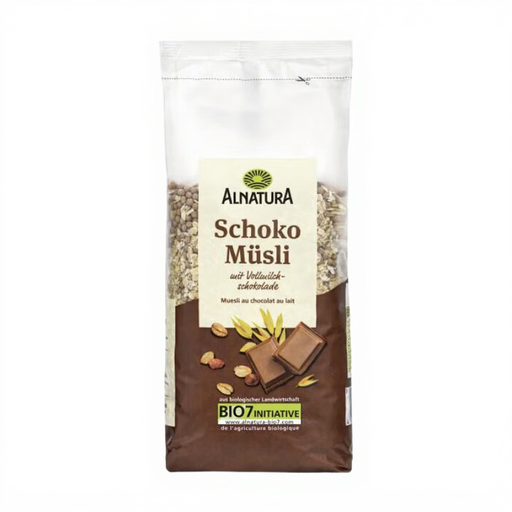 No image available
A chocolate muesli in a 750 g pack for a household that often has this variety for breakfast. Compare the exact recipe with the chocolate oat crunchy muesli rather than assuming the two products are the same just because they come in the same size pack.
 No image available
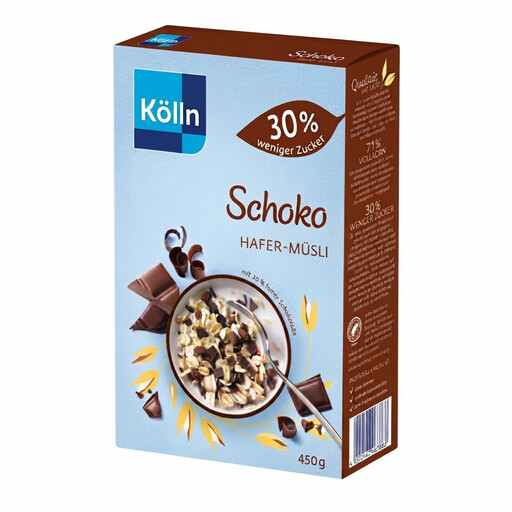
A chocolate-flavoured oat muesli in a 450 g pack for households that like to switch between varieties or don’t want to stock up on a large amount of one type. For nutritional comparisons, use the information per 100 g on the pack.
The right size depends on how many people eat that variety and how often it’s served. EDEKA24 stocks chocolate-flavoured breakfast products in sizes including 440 g, 500 g and 750 g. A larger pack is most practical when your household regularly gets through that particular variety.
Follow the storage instructions for the specific product and reseal the pack carefully after opening. Kellogg's says to store Choco Krispies Chocos in a cool, dry place; for Alnatura Organic Chocolate Oat Crunchy, EDEKA24 recommends storing it somewhere dry and away from heat.
Check the ingredients list, allergen labelling, nutritional information and best-before date on the specific pack. The Federal Ministry of Agriculture, Food and Home Affairs and the Verbraucherzentrale explain the importance of food labelling. If a recipe has changed, the labelling on the product you buy is what matters.