Families who eat a lot of cereal
If you want to pick up enough for several breakfasts during your weekly shop, start by comparing the pack weight with how much you get through. The examples stocked by REWE come in 420 g, 625 g and 750 g packs.


If you want to stock up on chocolate cereal in a single pack for several shared breakfasts, ja! Choco Chips (750 g) or the Nestlé Nesquik Maxipack (625 g), both stocked by REWE, could be suitable options. The Kellogg’s Choco Krispies Chocos (420 g), also stocked by REWE, may be a better fit if you get through less. Don’t decide on weight alone: compare the nutritional information per 100 g and check the ingredients and allergen information on the pack.
If you want to pick up enough for several breakfasts during your weekly shop, start by comparing the pack weight with how much you get through. The examples stocked by REWE come in 420 g, 625 g and 750 g packs.
With chocolate cereal, it’s worth checking the sugar and fibre per 100 g, as well as the wholegrain content of the recipe. A wholegrain claim alone won’t tell you how much sugar it contains.
The ingredients and allergen information on the current pack are essential. Depending on the product, wheat and warnings about milk, nuts or soya may be relevant. Checking a pack you bought previously isn’t a substitute.
First, work out how much your family will get through before your next shop. Then compare the nutritional information per 100 g and, if needed, check the allergens on the specific pack.
| Criterion | What to check | Who it matters most to |
|---|---|---|
| Pack size and how much it provides | Compare the pack weight with how much you’ll use before your next shop; once opened, store the pack in a cool, dry place and seal it well. | When several people have breakfast together, I don’t want to have to buy more after just a few days. Around 46% of consumers might consider the amount in each pack the most important criterion. |
| Sugar and wholegrain | Compare sugar and fibre per 100 g; check the wholegrain content of the specific product in the ingredients list. | I want a chocolatey taste, but I also want to compare the nutritional values of different packs on a like-for-like basis. Around 36% of consumers might put this comparison first. |
| Ingredients and allergens | Read the current ingredients list and allergen information on the pack, especially if the product or recipe has changed. | If anyone in my household needs to avoid certain ingredients, the current label determines what I choose. For around 18% of consumers, this might be their main thing to check. |
At 750 g, the pack contains more than the 625 g or 420 g options. But it’s only useful as a stock-up choice if your household can make use of the opened pack in line with how much you eat.
Compare the weight of the chocolate cereal you’re considering with how much you’ll need before your next weekly shop.
Wholegrain content and sugar levels describe different things about a product. The Verbraucherzentrale recommends using the nutritional information to compare sugar levels.
Check the sugar per 100 g, then look separately at the wholegrain content and other ingredients.
Recipes can change. This is particularly important if anyone in your household needs to avoid wheat, milk, nuts or soya.
Each time you buy the product, check the ingredients and allergen information on the current pack rather than relying on older product images.
For stocking up, ja! Choco Chips (750 g), stocked by REWE, is an example of a larger pack of classic chocolate cereal.
The Nesquik Knusper-Frühstück Maxipack stocked by REWE contains 625 g of chocolate cereal.
If you’re looking specifically for Choco Krispies Chocos, compare the 420 g pack stocked by REWE with how much you need to keep in your cupboard.
This selection includes chocolate cereal in smaller packs, as well as chocolate muesli as a different breakfast option. If you’re mainly looking to stock up for the weekly shop, compare the pack size with how much you get through.
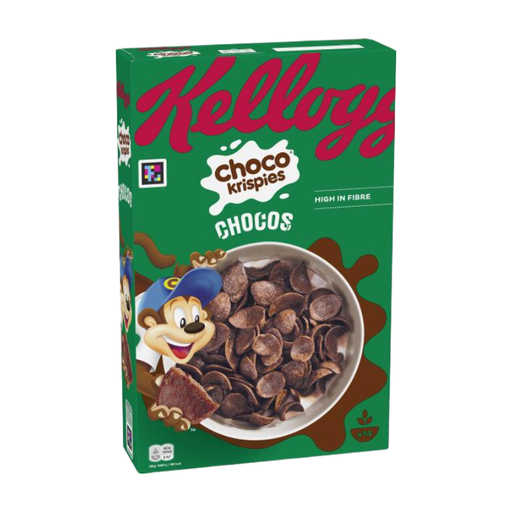 No image available
For households that can make a 420 g pack of chocolate cereal last until the next shop. If you have allergies, check the ingredients and information on the current pack.
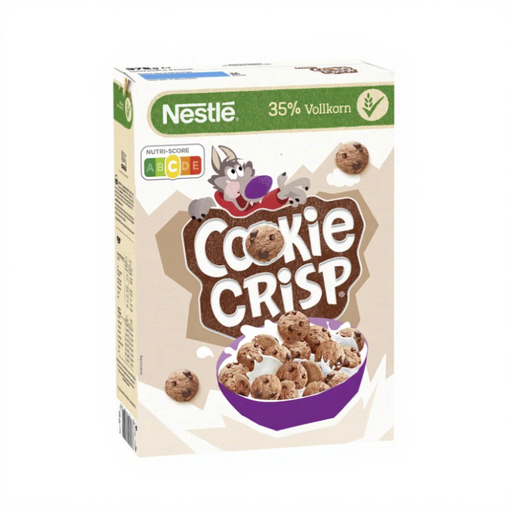 No image available
A 375 g pack for households that need less in the cupboard. If ingredients or allergens affect your choice, check the information on the specific pack.
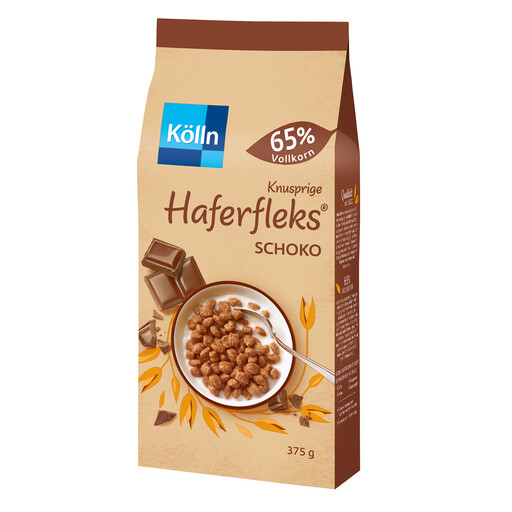 No image available
Chocolatey oat pillows for breakfast. Confirm the pack size of the option you’ve selected before buying; the size actually delivered is what matters when planning how much to stock up on.
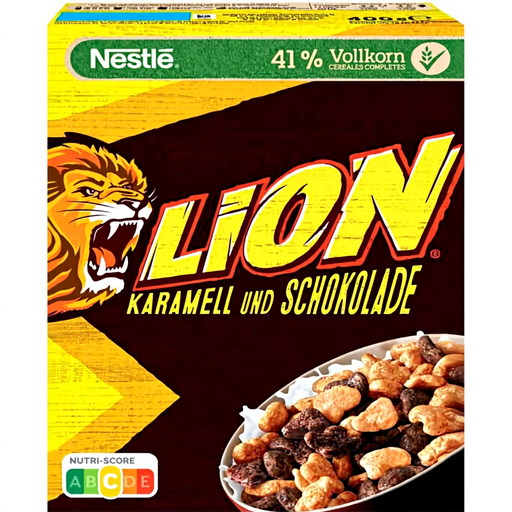 No image available
Chocolate and caramel cereal in a 400 g pack, if that amount suits how much you plan to eat. Check the current ingredients and allergen information if needed.
 No image available
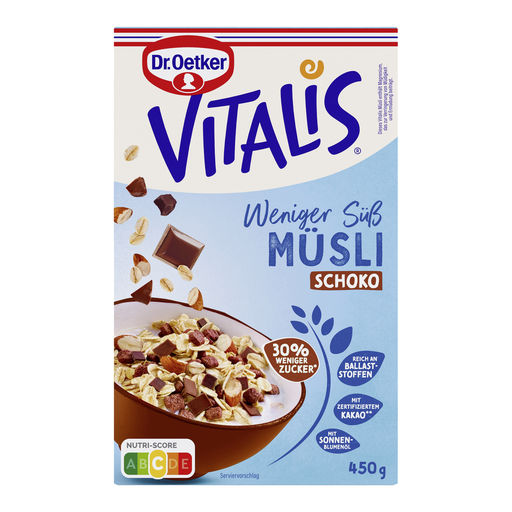
Chocolate muesli rather than classic chocolate cereal. Check that this type of product and the 450 g pack suit your breakfast routine and how much you need to stock up on.
It depends on how much your household gets through before the next shop. Among the examples stocked by REWE, the 750 g ja! Choco Chips and 625 g Nesquik Knusper-Frühstück packs provide more per pack than the 420 g Kellogg’s Choco Krispies Chocos. But weight alone doesn’t tell you about ingredients or nutritional values.
When comparing different chocolate cereals, sugar per 100 g gives you a common starting point, even if the packs list different serving sizes. The Verbraucherzentrale recommends checking the actual nutritional information rather than relying only on claims on the front of the pack.
No. A wholegrain claim tells you neither the sugar content nor whether the product contains allergens. The Nesquik Knusper-Frühstück stocked by REWE lists 52.7% wholegrain wheat and 22.1 g of sugar per 100 g; ja! Choco Chips contains 17% wholegrain wheat and 23 g of sugar per 100 g. Check the information on the pack you’re buying.
Read the ingredients list and check which allergens are highlighted on the current pack. Also look out for product-specific warnings about other potential allergens. Older product images or a pack from a previous purchase can’t rule out a change in recipe.