Buffet managers with high cereal consumption
The pack size needs to match daily consumption. A larger pack requires space for dry storage and a reliable replenishment routine.


A larger pack of chocolate cereals can work well as the main option at a hotel breakfast buffet if consumption is high enough and storage and replenishment are reliably managed. With lower turnover, smaller packs may be a more practical choice for an additional option. The ingredients and clear allergen information for cereals served loose are also important.
The pack size needs to match daily consumption. A larger pack requires space for dry storage and a reliable replenishment routine.
When transferring cereals to dispensers, allergen information must stay linked to the product being served. The Federal Ministry of Agriculture, Food and Regional Identity explains allergen labelling, while the Swabia Chamber of Industry and Commerce specifically mentions hotels and buffets.
If you want to offer this alongside a classic chocolate cereal, check the wholegrain claim, ingredients and nutritional information together. A wholegrain claim alone does not tell you whether the cereal is low in sugar.
First, decide how the cereals will be served and labelled at the buffet. Then choose a pack size to suit expected consumption and compare the specific products by their ingredients and nutritional information.
| Criteria | What to check when buying | Who this matters most to |
|---|---|---|
| Allergen information at the buffet | Record the information on the pack supplied and link it to the correct dispenser and the information provided for guests. | If I serve cereals loose, guests should be able to clearly identify the allergenic ingredients in each variety. This information is likely to be a priority for around 31% of consumers. |
| Pack size and consumption | Match 750-g, 450-g or 375-g packs to expected consumption; follow the storage instructions for the variety you choose. | With high turnover, I want to replenish larger packs without storing them for long periods; with lower consumption, I want to limit leftovers. Around 25% of consumers are likely to prioritise choosing the right pack size. |
| Ingredients and nutritional information | Compare sugar and fibre per 100 g, and consider any stated wholegrain content alongside the ingredients list. | If guests can choose between chocolate cereals, I want to understand their composition rather than rely on a single claim on the pack. This comparison is likely to be the top priority for around 25% of consumers. |
| Choice of varieties | Check whether additional varieties are genuinely distinct and whether each can be labelled and replenished separately. | I want to offer guests different chocolate cereals without opening more varieties than the buffet can use. Choice is likely to be the main consideration for around 19% of consumers. |
A 750-g pack is only suitable if the variety is used regularly and stored according to the instructions on the pack.
Plan replenishment amounts based on actual buffet consumption and store stock according to the instructions on the pack you have chosen.
If consumption is slow, opened packs may need to be stored for longer.
A dispenser without a clear link to the product makes it harder for guests to know what they are choosing, particularly after a change of variety. Under section 4 of the LMIDV, the required information about allergenic ingredients in non-prepacked foods must, under the specified conditions, be made available in a clearly visible, prominent and legible form.
Link each dispenser to the current information for the variety inside it and update this whenever you change products. The Swabia Chamber of Industry and Commerce also explains allergen labelling for buffet service.
Nestlé Cereals Deutschland states that NESQUIK Choco Waves contains 35% wholegrain, but also 19.9 g of sugar per 100 g. The wholegrain claim does not indicate the sugar content.
Read the ingredients list and nutritional information together, and compare sugar and fibre on the same per-100-g basis.
A product with the same name may have different information on the pack following a recipe change. Nestlé Cereals Deutschland notes that recipes may change.
Check the pack actually delivered before serving the variety at the buffet or reusing existing allergen information.
Kellogg's Chocos Mix is a wheat and maize cereal with a chocolate flavour.
NESQUIK Choco Waves is a chocolate cereal with a stated wholegrain content.
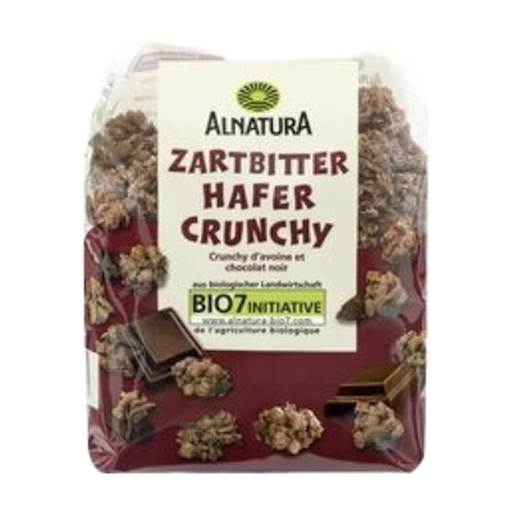
EDEKA24 lists Alnatura Organic Chocolate Oat Crunchy as a 750-g pack.
EDEKA24 lists Herzstücke Triple Choc Crunchy Muesli in a 500-g pack.
Lidl Deutschland lists Crownfield as a brand of breakfast cereals.
This selection includes larger packs of chocolate muesli for regular consumption, as well as smaller packs that may suit an additional variety or lower turnover. Check the information on each pack supplied before serving the cereal loose at the buffet.
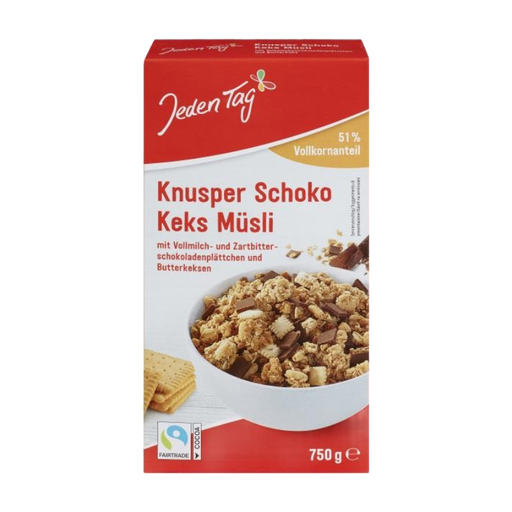 No image available
The 750-g pack may suit a chocolate muesli variety that is replenished regularly, provided consumption matches the pack size.
When serving it loose, make sure the allergen information on the pack supplied is linked to the correct buffet container.
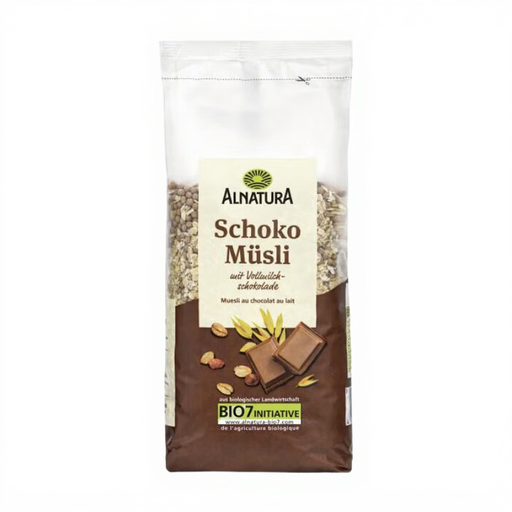 No image available
This 750-g chocolate muesli is an option for a buffet where a larger pack is used regularly.
Check the ingredients and allergen information on the pack supplied, and keep this information linked to the variety when serving it loose.
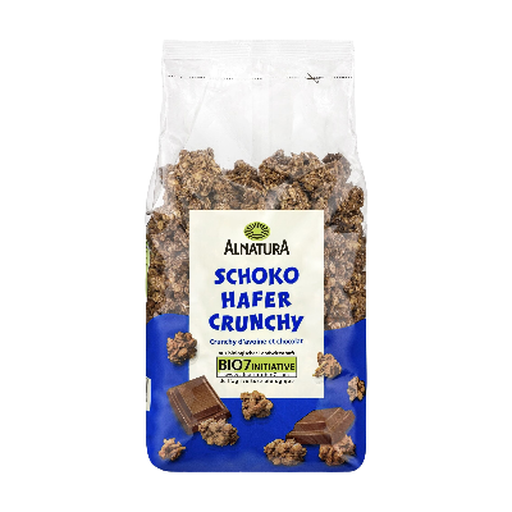 No image available
This 750-g crunchy muesli may suit a buffet with enough consumption to support a larger pack.
Follow the storage instructions and check the ingredients and allergens on the pack supplied before transferring it to another container.
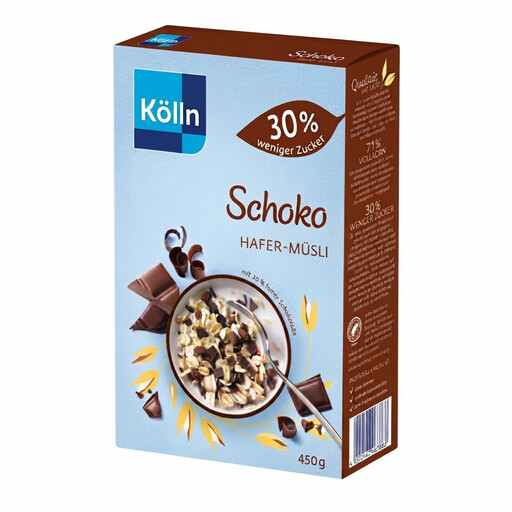 No image available
The 450-g pack may be worth considering as an additional chocolate variety or for lower consumption.
The variant name is no substitute for checking the nutritional information: read the sugar content per 100 g and check the allergen labelling on the pack supplied.
 No image available
The 375-g pack is more suited to an additional variety or lower turnover than to being the main larger pack.
Match replenishment needs to consumption and, when serving it loose, clearly link the allergen information on the pack supplied to the variety.
For non-prepacked cereals, the required information about allergenic ingredients must be provided for the food concerned in a clearly visible, prominent and legible form, subject to the conditions in section 4(2) and (3) of the LMIDV. The Swabia Chamber of Industry and Commerce explains that allergen labelling also applies to hotels and buffet service; the information provided must match the variety being served.
Keeping a pack in storage alone does not replace the allergen information guests need to access when cereals are served loose. Section 4 of the LMIDV sets out how this information must be provided; the Swabia Chamber of Industry and Commerce describes options including information at the buffet and business records for the permitted forms of providing it.
No. The varieties covered here include products containing wheat or barley malt. Check the labelling on the pack actually supplied for each product you buy instead of assuming it is suitable based on the term ‘breakfast cereals’.
Check and update the ingredients and allergen information before serving the new product at the buffet. Nestlé Cereals Deutschland notes that recipes may change, so always refer to the information on the pack supplied.