What should you consider when choosing?
When choosing a single chocolate option for coffee with friends, start by considering the format and any known flavour preferences. Before putting the pack on the table, check the ingredients of the specific variety if needed.
| Criterion | What to check when buying | Who it matters to |
|---|
| Ease of sharing |
Does the chocolate come as pre-portioned pieces, individual bars or a bar to break? Also consider the net weight. |
If several friends are going to help themselves without first breaking up a bar, the format is my priority. Around 31% of consumers would rank easy sharing as their most important requirement. |
| The group’s tastes |
Would the group prefer a classic milk chocolate, or do you know that guests enjoy fillings and more pronounced flavours? |
If tastes differ, I wouldn’t choose a strong filling based on my own preferences alone. For around 25% of consumers, choosing the right flavour is likely to take priority. |
| Ingredients and allergens |
Check the ingredients list, highlighted allergens and, where relevant, precautionary allergen information for the specific variety. |
If someone in the group needs to avoid certain ingredients, I can’t rely on the terms ‘milk chocolate’ or ‘dark chocolate’. Around 25% of consumers would put checking the recipe first. |
| Cocoa flavour |
Compare the stated cocoa content and the description of the specific variety. |
If we prefer bitter chocolate with our coffee, I look specifically for a suitable variety rather than a sweet standard option. For around 19% of consumers, this cocoa flavour would be the main consideration. |
Brands to consider
These brands offer a range of formats and varieties for coffee with friends. What matters is the specific pack, not the brand name alone.
Ritter Sport
An option if you’re looking for a square milk chocolate bar to break into pieces.
- REWE stocks Ritter Sport Alpenmilch as a 100-g bar.
- Check the ingredients and how the pieces are divided for the variety you choose; the square shape alone tells you neither.
Milka
A chocolate bar brand for shoppers looking for a particular flavour.
- Milka describes a selection of different varieties; REWE stocks Alpenmilch as a 90-g bar.
- Fillings and ingredients vary by variety, so check each one for your guests.
Lindt
A good option if guests specifically want dark chocolate with their coffee.
- Lindt states that EXCELLENCE 99% has a cocoa content of 99% and describes it as intense and bitter.
- This information applies to the variety named, not every Lindt bar. Check the ingredients and precautionary allergen information for the specific variety you choose.
kinder
An alternative to a classic chocolate bar if you’re looking for small, individually wrapped bars.
- According to the manufacturer, kinder Chocolate comes in individually wrapped small bars.
- The recipe given by the manufacturer contains milk ingredients and soya; check the labelling if these are a concern.
Schogetten
A good option if you’d like to serve a pack of pre-portioned chocolate pieces.
- Schogetten describes its Originals as conveniently pre-portioned and lists 100-g packs.
- Whether a flavour suits the group still depends on the filling, ingredients and guests’ preferences.
REWE Beste Wahl
A supermarket own-brand option for people choosing between dark chocolate bars with a stated cocoa content.
- REWE stocks Beste Wahl Bitterschokolade with 70% or 80% cocoa as 100-g bars.
- The possible allergen traces listed vary between varieties; check the information for the bar you choose.
Chocolate for coffee with friends at Joybuy
These bars offer different options if you’re choosing a single chocolate: milk chocolate to break into pieces, a hazelnut variety and dark options for guests who enjoy that kind of flavour. For every choice, check that the format and ingredients suit your group.
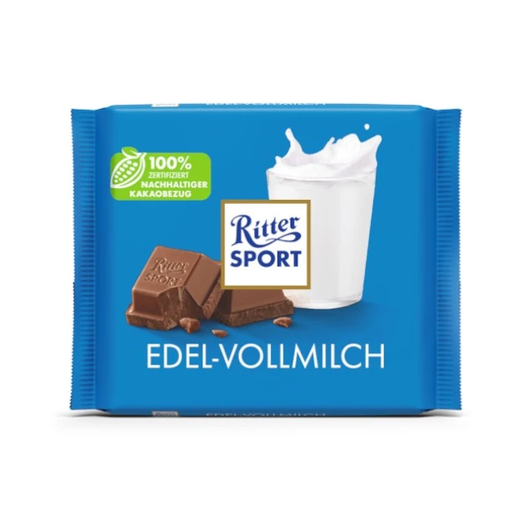 Image unavailable
Ritter Sport Fine Alpine Milk, 100 g
A milk chocolate bar for the group if breaking up a bar is all you need. The stated net weight is 100 g; check how the pieces are divided for sharing, and check the ingredients on the pack if needed.
View at Joybuy
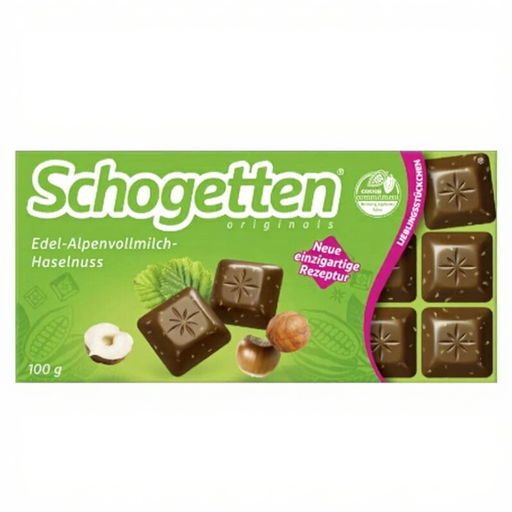 Image unavailable
Schogetten Alpine Milk with Hazelnuts, 100 g
A 100-g pack for a group that enjoys hazelnut flavour. Schogetten describes its Originals as pre-portioned; check the format and ingredients of this variety before guests help themselves.
View at Joybuy
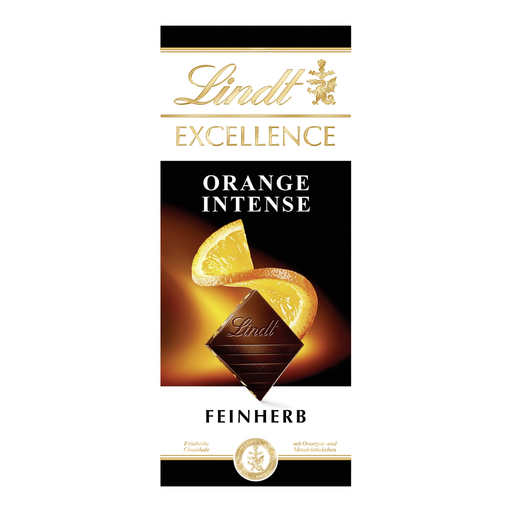 Image unavailable
Lindt EXCELLENCE Orange Intense, 100 g
A dark chocolate for guests who enjoy orange with their chocolate, rather than a simple milk chocolate variety. The bar is marked as 100 g; when choosing, also check the ingredients, cocoa content and how the pieces are divided for this variety.
View at Joybuy
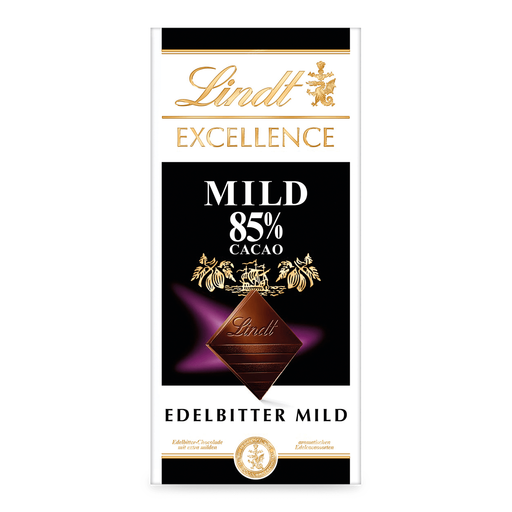 Image unavailable
Lindt EXCELLENCE 85% Cocoa Mild Dark, 100 g
A 100-g bar for a coffee gathering where guests want dark chocolate with a stated cocoa content of 85%. A high cocoa content is no substitute for checking the ingredients and precautionary allergen information; also consider how the pieces are divided for sharing.
View at Joybuy
Frequently asked questions
Which chocolate is easy to share over coffee?
Pre-portioned pieces or individually wrapped small bars let several people help themselves without first breaking up a bar. Schogetten describes its Originals as pre-portioned, while kinder describes its chocolate as individually wrapped; choose between these formats depending on whether you’d prefer a pack of pieces or individual bars.
What should I look out for when checking allergens in packaged chocolate?
Check the ingredients list and labelling for the specific variety you’ve chosen. EU food information regulations cover the declaration of relevant allergens in pre-packed foods; product-specific precautionary allergen information may also be important when choosing.
Does ‘May contain traces of’ prove that an allergen is in the chocolate?
No. According to the German Food Federation, a warning like this doesn’t confirm that traces are actually present; but it also doesn’t guarantee that accidental cross-contamination can be ruled out. If a guest is affected, they should be involved in deciding whether the specific pack is suitable.
Is a dark chocolate bar automatically dairy-free?
No. For example, REWE lists possible traces of milk for its Beste Wahl Edel-Bitterschokolade 80%. Check the ingredients and precautionary allergen information for the bar you’ve chosen instead of assuming what allergens it contains based on its colour or cocoa content.
What does the best-before date mean before meeting for coffee?
It indicates how long unopened chocolate will retain its specific qualities when stored correctly. Follow the storage instructions on the pack; going past the best-before date doesn’t automatically mean the chocolate is past its use-by date or should be thrown away.


