
Lieferung heute & morgen

Qualitätsgarantie

Willkommens-Angebote freischalten: KOSTENLOSE Lieferung | Bis zu 80 % RABATT | Kostenlose 30-Tage-JoyPlus-Testphase
App herunterladen
The selection of chocolate cookies on the shelf can be overwhelming. From classic shortbread with chocolate to exotic Japanese sweets, there seems to be an option for every taste. However, not every cookie lives up to its packaging's promise. Many products lure you in with attractive designs or seemingly healthy claims, only to turn out to be an expensive disappointment.
This guide will help you identify the typical pitfalls when buying chocolate cookies. We'll show you which objective criteria truly matter so you can make an informed decision that fits your needs—whether for the family grocery run, a health-conscious diet, or the search for a special treat.
Before you choose a product, you should be aware of three common marketing traps that often lead to a bad purchase:
To make a good choice, focus on verifiable facts. The following three parameters are crucial for the quality and suitability of a chocolate cookie.
The order of the ingredients indicates which are most prevalent in the product. If sugar is listed first, it is the main ingredient. For cookies with chocolate, pay close attention to the exact terminology: "chocolate" or "milk chocolate" indicates the use of cocoa butter. Phrasing like "fat glaze" points to substitute fats. For classic shortbread cookies with chocolate, butter should also be high on the list to ensure the typical flavor.
The "per 100 g" information allows for a direct comparison between different products. Low-sugar cookies often have a sugar content of less than 10 g per 100 g. Products marketed as cookie-flavored protein bars should have a protein content of at least 20 g per 100 g to be considered high in protein. These values help you objectively evaluate products based on your dietary goals.
The market offers more than just the standard fare. Japanese sweets, for example, are known for their unique textures and flavors like matcha or popping candy. If you're looking for a new taste experience, the origin can be a good indicator. At the same time, traditional German manufacturers often offer reliable and consistent quality that has been proven over many years.
Here are some recommendations tailored to different needs and preferences.
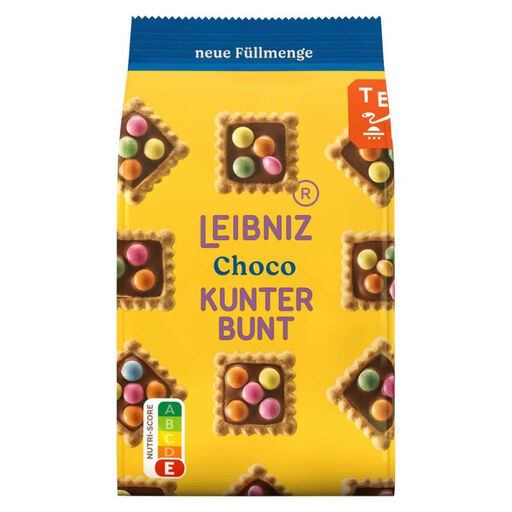
Why it's a great fit: The animal shapes make this cookie a popular snack for children. Leibniz is an established brand in Germany known for its consistent quality in shortbread cookies, making it a reliable choice for family shopping.
This product relies on a proven taste rather than exaggerated marketing promises. It avoids the "fancy design without substance" trap because the cookie's quality lives up to the well-known brand's reputation.
The combination of classic shortbread and milk chocolate in a kid-friendly shape offers high recognition value and broad appeal to both young and old.

Why it's a great fit: For those seeking a snack with functional benefits. The bar delivers a high protein content to support muscle growth and contains no added sugar, making it suitable for a calorie-conscious diet.
This product avoids the "health" trap through transparent information. The high protein content is clearly declared (30%), and the "no added sugar" claim is a verifiable feature, not a vague marketing statement.
It combines the function of a protein bar with the flavor profile of a chocolate cookie. The use of sweeteners (maltitol, sucralose) provides sweetness without the calories and blood sugar impact of sugar.
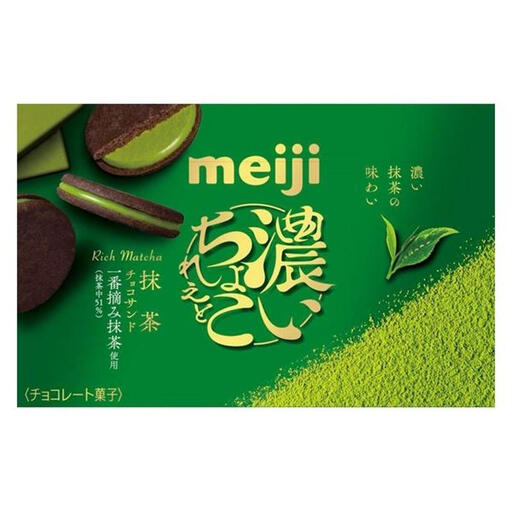
Why it's a great fit: Perfect for anyone looking for a change from conventional chocolate cookies. The combination of bitter Uji matcha and chocolate offers a complex, sophisticated flavor profile typical of high-quality Japanese sweets.
This is an example of an international specialty that delivers on its promise. Instead of a vague "exotic" flair, the cookie offers an authentic taste by using real Uji matcha, an ingredient with a clear origin and quality.
The combination of a crispy biscuit and a creamy filling with the characteristic, slightly bitter taste of matcha green tea provides a balanced and not overly sweet experience.
We've compiled a complete, up-to-date list of products that fully meet these strict selection criteria.
Proper storage is key to preserving their crispness and flavor. It's best to keep chocolate cookies in an airtight container in a cool, dry place. Avoid direct sunlight and proximity to heat sources like radiators or ovens, as this can cause the chocolate to melt and the cookie to become soft.
A key clue can be found in the ingredients list. High-quality chocolate contains cocoa butter as its primary fat. Look for terms like "cocoa mass" and "cocoa butter" listed high on the list. Be skeptical of products that only list "cocoa-flavored fat glaze" or vegetable fats like palm or coconut oil instead of cocoa butter.
Yes, the market for low-sugar cookies and snacks is constantly growing. Many manufacturers replace table sugar with sugar substitutes like maltitol, erythritol, or sorbitol (polyols), or with sweeteners like sucralose. These products can be delicious, but it's worth noting that excessive consumption of polyols can have a laxative effect. Products like the ahead Low Sugar Soft Cookie are an example of this category.