People who exercise and think about the rest of their meal
If you fancy biscuits after exercise, you can enjoy them as a sweet extra. When deciding what else to eat, your training and overall diet matter more than the word ‘Digestive’ on the packet.


Chocolate Digestives can be a sweet addition after exercise, but they shouldn’t be relied on as a protein-rich meal on their own. Compare varieties by ingredients, nutritional information per 100 g and the portion you’ll actually eat. If you need to avoid gluten or wheat, also check the label on the specific pack.
If you fancy biscuits after exercise, you can enjoy them as a sweet extra. When deciding what else to eat, your training and overall diet matter more than the word ‘Digestive’ on the packet.
If you’re choosing between chocolate biscuits, compare fibre and sugar using the same serving basis. The Leibniz varieties listed by REWE show that a wholegrain biscuit can have different figures for both than a classic chocolate butter biscuit.
For this choice, look for an explicit label on the specific product. Other ingredients and allergen warnings still matter: the Schär Digestive Choc listed by REWE contains milk and soya, and may also contain traces of egg and lupin.
First decide whether you’re looking for a sweet treat or need to avoid a particular ingredient. Then compare the nutritional information per 100 g and work out what it means for the amount you plan to eat.
| What you’re looking for | What to check | Who it matters to |
|---|---|---|
| A biscuit as an extra | Check the protein content for the portion you plan to eat, and consider the biscuit as part of the rest of your meal. | When I fancy something sweet after training, I don’t want to rely on biscuits alone for the rest of my diet. This combination would be the main consideration for around 36 % of consumers. |
| Sugar and portion size | Compare sugar and fat per 100 g, then take into account how much you’ll actually eat. | I’d like to have a chocolate biscuit, but want to know how several biscuits fit into my planned portion. Around 29 % of consumers would look at sugar and portion size first. |
| Wholegrain and fibre | Check for wholegrain ingredients in the ingredients list and fibre per 100 g, while keeping an eye on sugar too. | When choosing between classic and wholegrain chocolate biscuits, I’m interested in the difference in fibre. This would be the main consideration for around 21 % of consumers. |
| Gluten and wheat | Check for an explicit label, as well as the ingredients and any other allergen information on the current pack. | I need a biscuit with the right label, while also keeping an eye on any other ingredients that matter to me. Around 14 % of consumers would prioritise this need. |
The name alone says nothing about how a biscuit will affect your digestion, and it’s no substitute for checking the ingredients or nutritional information.
Compare the nutritional information and ingredients list for the specific biscuit rather than judging its suitability by the product name.
The chocolate biscuits covered in the retailers’ product information contain 6.0 to 7.5 g of protein per 100 g. The German Nutrition Society describes protein as a building block for muscles, bones and connective tissue, among other things; this doesn’t tell you how many biscuits to eat.
If you’re thinking about the balance of your post-training meal, consider the biscuit alongside the other foods you eat.
REWE lists Leibniz Vollkornkeks Choco as containing 4.5 g of fibre, but also 36 g of sugar and 26 g of fat per 100 g. The wholegrain content doesn’t tell you how much sugar it contains.
Check fibre, sugar and fat separately, and consider the figures in relation to the portion you plan to eat.
The Schär Digestive Choc listed by REWE is described as gluten- and wheat-free, but contains milk and soya. Possible traces of egg and lupin are also listed.
If you need to avoid certain ingredients, check the current pack for all ingredients and warnings that are relevant to you.
The 125-g Butterkeks Choco Vollmilch and Vollkornkeks Choco varieties let you compare classic and wholegrain chocolate biscuits within the same product range.
The uncoated Digestive Original is a useful comparison if you’re considering a Digestive without a chocolate coating as well as a chocolate biscuit.
Digestive Choc is a chocolate variety explicitly labelled gluten- and wheat-free, making it a useful option for comparing ingredients and nutritional information.
This selection includes chocolate biscuits for a sweet snack after exercise, including mini biscuits and a variety labelled gluten-free. The products listed aren’t identified as Digestives, so check the ingredients and pack details if you’re specifically looking for Digestives.
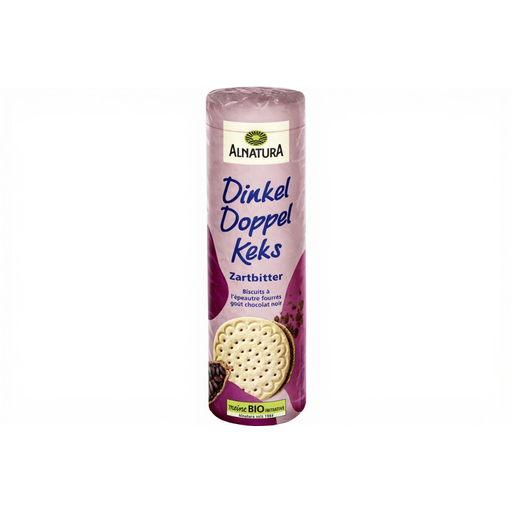 No image available
A chocolate sandwich biscuit to add to your snack if you fancy something sweet after exercise.
The product name mentions spelt, while the ingredients description lists oat flour. Check the grain and allergen information on the pack before buying.
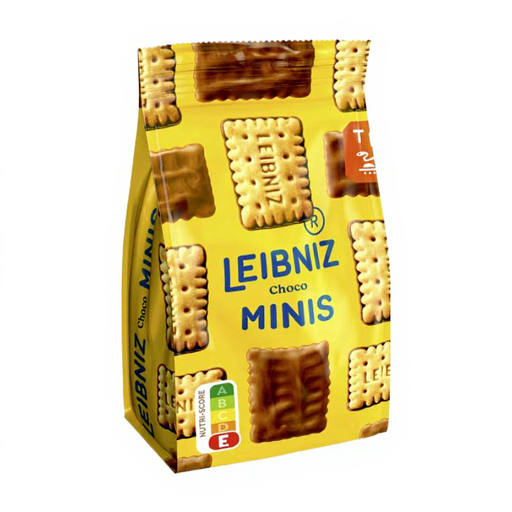 No image available
The mini format is a good option if you’d like to decide for yourself how many biscuits to have with your snack.
To compare it with other varieties, work out what the nutritional information per 100 g means for the amount you’ll actually eat. If you have allergies, check the current pack.
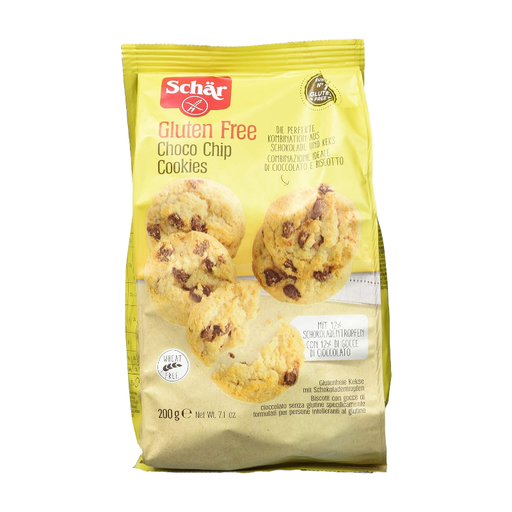 No image available
These chocolate biscuits are labelled gluten-free, making them an option if that specific label is important to your choice.
Gluten-free doesn’t mean free from other allergens. Check the current pack for ingredients and allergen information.
 No image available
A filled cocoa biscuit for anyone who likes this kind of chocolate biscuit as a sweet treat.
Compare the nutritional information based on your actual portion, rather than the pack size. If you have allergies, check the current label.
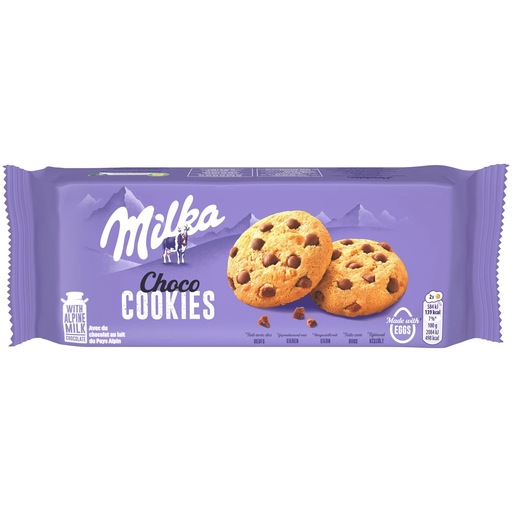 No image available
A sweet chocolate biscuit option if you prefer this type of biscuit to a Digestive.
Choose your own portion and check the pack for nutritional information to compare. Remember to check the ingredients and allergens too.
If you’re planning a protein-rich meal, you shouldn’t rely on chocolate Digestives alone. The retailer information shown for the chocolate biscuits covered here gives protein figures of 6.0 to 7.5 g per 100 g. The amount you eat and the rest of your diet also matter.
No. The name alone doesn’t tell you how a biscuit will affect your digestion. Instead, check the ingredients list and nutritional information for the specific product.
Look for an explicit gluten-free or wheat-free label on the specific biscuit that meets your needs. REWE lists Schär Digestive Choc as gluten- and wheat-free, but the product contains milk and soya, and possible traces of egg and lupin are noted. Check the current pack before buying.
Not necessarily. The consumer advice centre points out that even people who exercise regularly can meet their protein needs with ordinary foods that are high in protein. The right meal for you depends on your overall diet and training.