Parents planning a sweet treat
You’d like to give your toddler a chocolate biscuit now and then, without making it an everyday snack. Deciding on a set amount and snack time in advance can help.


Chocolate Digestives aren’t a suitable everyday snack for toddlers: the Netzwerk Gesund ins Leben recommends offering sugar and sweets sparingly. If you’re planning to offer a chocolate biscuit occasionally, decide on a small portion in advance, choose a set snack time and check the sugar and allergen information on the specific pack. If your child has been prescribed a gluten-free diet by a doctor, only a product labelled accordingly is suitable; you’ll also need to check its other ingredients.
You’d like to give your toddler a chocolate biscuit now and then, without making it an everyday snack. Deciding on a set amount and snack time in advance can help.
If your child has a dietary requirement confirmed by a doctor, the product’s labelling needs to match it. Check the pack for other allergens too, such as milk, soya, egg or lupin.
Before packing a biscuit, check the nursery’s rules on sweets, allergies and snacks brought from home.
First, check whether allergens or a gluten-free requirement limit your choice. Then compare the nutritional information and consider when and how much you plan to offer.
| Consideration | What to check | Who it matters to |
|---|---|---|
| Sugar and portion size | Compare the sugar content per 100 g and decide how much of the biscuit you plan to offer. | If you only want to offer a chocolate biscuit occasionally, you’ll want to limit the treat as part of your child’s daily routine. This is a priority for around 36% of consumers. |
| Gluten and allergens | Read the ingredients and allergen information on the pack; if necessary, look for an explicit gluten-free label. | If your child has a dietary requirement confirmed by a doctor, the labelling on the specific product determines whether it’s suitable at all. This is the main concern for around 29% of consumers. |
| Snack time and nursery | Check the nursery’s rules on sweets and snacks brought from home before you shop. | If the biscuit is for when you’re out or for childcare, it needs to fit the agreed snack time and the setting’s rules. This is a priority for around 21% of consumers. |
| Wholemeal and ingredients | Look for wholemeal flour and, where stated, its quantity in the ingredients list rather than assuming it from the name ‘Digestive’. | If you’re choosing between similar biscuits, you’ll want to know which cereals they actually contain. This is the top buying priority for around 14% of consumers. |
The product name doesn’t tell you whether a chocolate-coated biscuit is suitable as part of a toddler’s regular snacks. The Netzwerk Gesund ins Leben recommends offering sweets sparingly.
Plan a chocolate Digestive as a small occasional treat, not as a regular part of every snack time.
The Schär Digestive Choc variant described by REWE is gluten- and wheat-free, but contains milk and soya; according to the product information, it may also contain egg and lupin.
Check all the allergen information on the pack you choose and take any existing dietary requirements advised by a doctor into account.
The ingredients list and the sugar figure in the nutritional information answer different questions. REWE lists 29,5 g of sugar per 100 g for McVitie's Digestive Milk Chocolate.
Read both together and use the per-100 g figure to assess the amount you actually plan to offer.
Rules on sweets, allergies and snacks brought from home may determine whether a biscuit is suitable for childcare.
Check with the setting before packing a biscuit, and set a regular snack time at home.
The Digestive varieties described by REWE include a plain wheat biscuit, as well as milk and dark chocolate versions.
Digestive Choc is a chocolate Digestive variety described by REWE as gluten- and wheat-free.
Bahlsen includes LEIBNIZ Choco in its biscuit range. It’s a chocolate biscuit option, but not a variety confirmed as a Digestive.
These Joybuy products offer different types of chocolate biscuit for an occasional treat, rather than a selection of Digestives. They include a chocolate biscuit labelled gluten-free; this isn’t the same product as Schär Digestive Choc.
 No image available
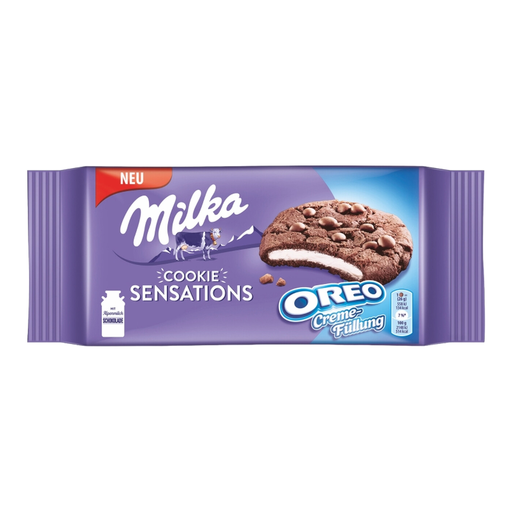
A filled chocolate biscuit rather than a Digestive, for an occasional treat. Check the ingredients and allergen information before offering it, and decide on the portion yourself.
 No image available
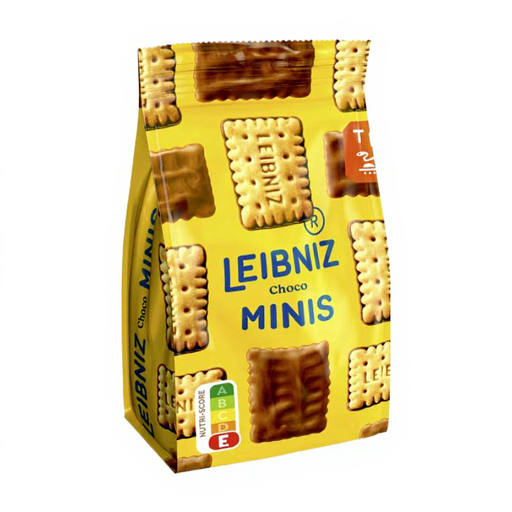
The mini size is an alternative to a Digestive, but it doesn’t indicate a suitable portion for toddlers. Read the nutritional and allergen information on the pack, and decide how much to offer regardless of the biscuit’s size.
 No image available
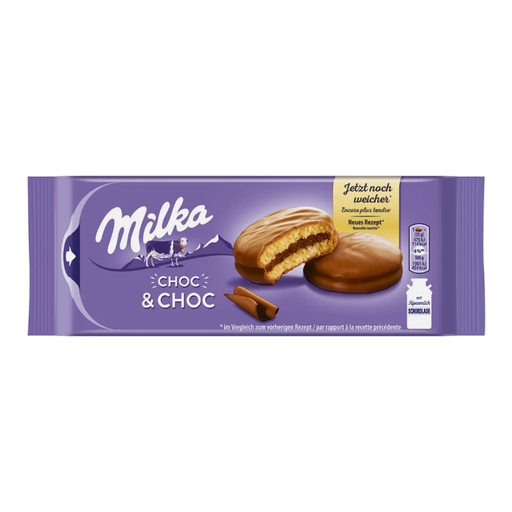
This type of filled chocolate biscuit is suitable only as an occasional treat, not as a replacement for a regular snack. Compare the sugar content per 100 g and check the allergens on the specific pack.
 No image available
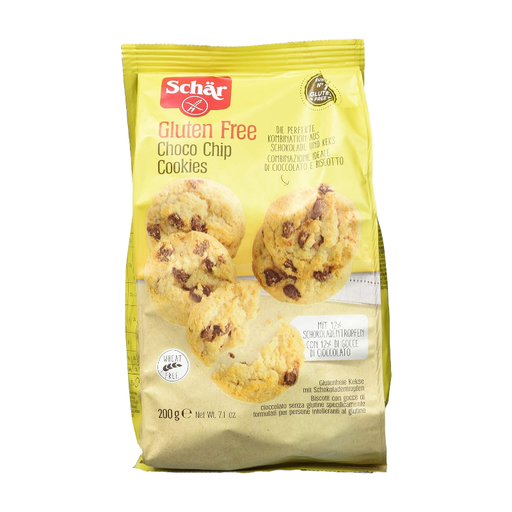
A chocolate biscuit option labelled gluten-free, but not a Digestive. If your child has been prescribed a gluten-free diet, check the current pack labelling as well as the information on other allergens.
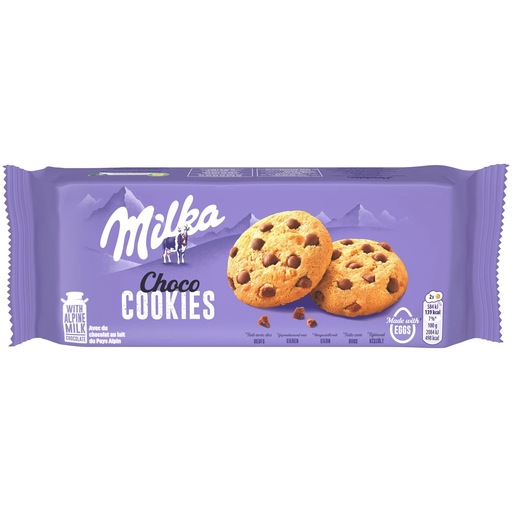 No image available
A chocolate biscuit with chocolate pieces, as an alternative to a Digestive. For an occasional treat, the planned portion, sugar content per 100 g and allergen information on the pack are what matter.
No, chocolate Digestives shouldn’t be a regular everyday snack. The Netzwerk Gesund ins Leben recommends offering sugar and sweets to toddlers sparingly; instead, you can treat a chocolate biscuit as an occasional treat, with the portion decided in advance.
Look for an explicit gluten-free label on the specific product, rather than relying on the word ‘Digestive’. REWE describes McVitie's Digestive Milk Chocolate as containing wheat and Schär Digestive Choc as gluten- and wheat-free; if there are other dietary requirements, check the remaining ingredients and allergen information too.
It depends on the rules at your child’s nursery. Before packing one, check how the setting handles sweets, snacks brought from home and allergies.
No, the name doesn’t confirm any particular wholemeal content. Check the ingredients list for wholemeal flour and any quantities given for the specific variety; for a chocolate Digestive, the sugar content and planned portion matter too.