For an individual packed lunch, small, individually wrapped chocolates are handy when you want to decide the amount in advance and keep it separate in the lunchbox. A large sharing bag is better suited to a planned group activity, where you’ll need to check the number of pieces, how they’ll be shared and the ingredients in each variety. The German Nutrition Society (DGE) regards sweets as an occasional extra, not a replacement for a packed lunch.
Which format is right for you?
Parents packing an individual portion
If you want to put just one measured sweet in a lunchbox, individually wrapped pieces are a good option. Kinder describes its small chocolate bars as individually wrapped; according to Lindt Germany, the same applies to the chocolates in its 1,000 g LINDOR milk chocolate bag. The right pack size depends on how much you plan to serve.
Anyone planning a small class treat
A mixed assortment or a bag containing lots of individually wrapped pieces can work for a set group, provided you allocate the portions in advance. If there are different fillings, it’s particularly important to check the ingredients and allergens in every variety. The brand name alone isn’t enough.
Households that need to check ingredients carefully
The information on the specific pack is what matters. Lebensmittelklarheit explains the difference between declared allergenic ingredients and additional warnings about possible traces. If anyone has a known allergy, you should also check the affected family’s requirements before sharing the chocolates.
What should you look for when buying?
First decide whether the chocolate is for one lunchbox or a planned group. Then choose how you want to portion it and check the ingredients, nutritional information and storage instructions on the specific pack.
| What to consider |
What to check when buying |
Who it matters most to |
| Portioning |
Are the pieces individually wrapped, and are there enough for everyone? Segmented bars need to be portioned separately. |
I want to give each child a separate, countable sweet and avoid putting an open bag in their lunchbox. Around 25 % of consumers would put clearly defined individual portions first. |
| Ingredients and allergens |
Read the ingredients list and highlighted allergens for each specific variety; check additional warnings such as “May contain” separately. |
If anyone in the group has a known allergy, I need to check the exact variety before handing anything out. For around 25 % of consumers, this check would take priority over the format and choice of flavour. |
| Role in a packed lunch |
Check the recommended portion and nutritional information on the pack; plan chocolate as an addition to a regular packed lunch. |
I want to make sure a large bag doesn’t turn into an unplanned amount for a school day. Around 31 % of consumers would make planning the quantity their main concern. |
| Varieties and transport |
Choose a mixed assortment or a single variety to suit the occasion, and protect the amount you need from heat and pressure while carrying it. |
For a small get-together, I want to offer a choice without carrying the whole bag in a school bag. For around 19 % of consumers, choosing the right format would be the main consideration. |
Common pitfalls when sharing
-
Assuming the bag size is a school-day portion
A bag containing lots of pieces is a pack size, not a guide to how much belongs in a packed lunch. The DGE describes sweets as generally low in nutrients; they’re no substitute for a regular packed lunch.
Decide on the occasion and number of portions before you buy. Pack only the amount intended for that school day and leave the rest at home.
-
Assuming a brand name means it’s suitable
Ingredients and possible traces can vary between varieties and fillings. Individual wrapping also doesn’t tell you whether the contents are suitable for someone with an allergy.
Read the current ingredients list for the exact variety, including the allergen information and any warnings about possible traces. If anyone has a known allergy, check the affected family’s requirements before sharing the chocolate.
-
Confusing portionable pieces with individually wrapped ones
A segmented bar or a pack of loose pieces can be divided up, but that doesn’t mean each portion is individually wrapped for different children.
If you need separate units, check the wrapping on each piece. Otherwise, divide the planned amount into separate containers before handing it out.
-
Overlooking heat and pressure in a school bag
Milka advises storing its Mmmax Alpine Milk bar in a dry place and protecting it from heat. Softened or broken pieces are harder to share when you’re out and about.
Follow the storage instructions on the pack you buy and carry the portion you need in a sturdy lunchbox, protected from heat and pressure.
Brands and their relevant formats
Ritter Sport
Chocolate cubes are an option for a planned mix of varieties. REWE, for example, stocks the 176 g Schokogruss filled assortment.
- A selection of filled pieces offers variety for a sharing occasion planned in advance.
- The Schokogruss assortment stocked by REWE carries warnings about possible traces of peanuts, other nuts and eggs. Check the specific pack before sharing.
Milka
According to Milka, Mmmax Alpine Milk is a 250 g bar, so it’s portioned differently from a bag of individually wrapped minis.
- You can break a bar into the number of pieces you need at home.
- The pieces aren’t individually wrapped. Milka lists milk and soya as ingredients in Mmmax Alpine Milk, and says it may contain other nuts and wheat.
Lindt
According to Lindt Germany, the 1,000 g LINDOR milk chocolate bag contains around 80 individually wrapped chocolates. This pack size is better suited to a larger occasion planned in advance than to one packed lunch.
- The individually wrapped chocolates can be counted before you hand them out.
- According to Lindt, this variety contains milk, soya and barley malt extract; it may also contain hazelnuts and other nuts. This information applies to the milk chocolate bag mentioned above.
Kinder
Kinder describes its small chocolate bars as individually wrapped. REWE lists 19 portions in a 120 g pack of Kinder Chocolate Mini.
- Individually wrapped bars can be planned as separate portions.
- Kinder Chocolate contains milk and soya. For a group, always check the ingredients list for the exact variety you’ve bought.
Schogetten
Schogetten sells segmented chocolate and describes the pieces as portioned. It’s an alternative if the pieces don’t need to be individually wrapped.
- You can count out the pieces before packing or handing them out.
- Portioned pieces aren’t necessarily wrapped separately. For Schogetten milk chocolate, REWE lists possible traces of peanuts, nuts, gluten and eggs.
REWE
REWE is relevant here as a retailer providing specific product information, such as the ingredients, allergens and portion counts for individual packs.
- Product information can help you narrow down the right formats before buying.
- When choosing chocolate for a school group, the labelling on the pack you actually buy is what counts; a retailer’s online listing is no substitute for checking it.
Joybuy products for lunchboxes and planned sharing
This selection includes a bag of mini bars, a pack of four tubes of chocolate lentils and a bag of peanut chocolate sweets. If you need separate portions, the packaging units matter; if you’re using a bag of loose pieces, you’ll need to plan how to share them. Always check the labelling on the specific pack before a school event.
 No image available
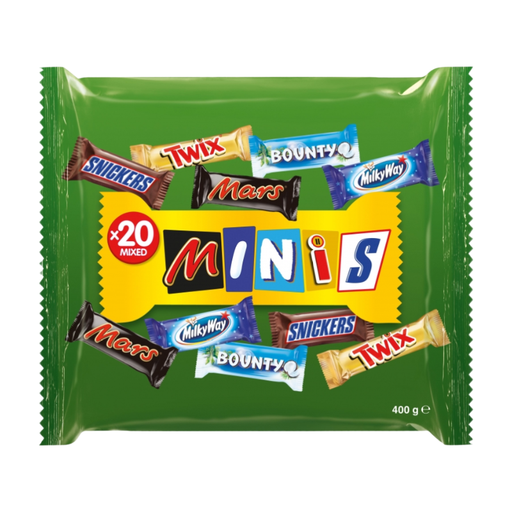
Mars Mixed Minis chocolate bar assortment, 400 g
This assortment is an option for a planned distribution of different mini bars. Check the pack to see how many pieces it contains and which ingredients and allergens are relevant to your group.
View on Joybuy
 No image available
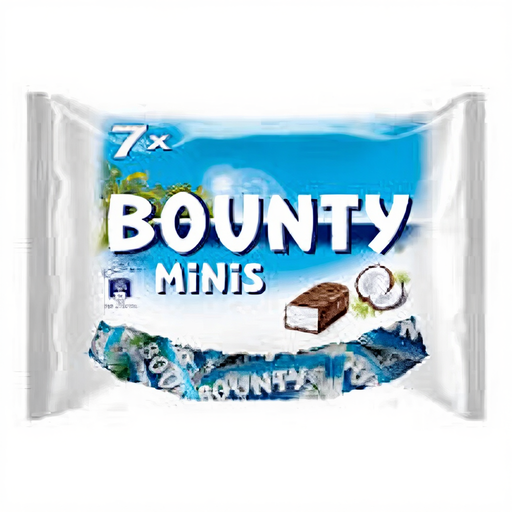
Bounty Minis coconut chocolate bars, 227 g
These minis are an option if you’re planning to give a small group the same variety. Before buying, compare the number of pieces with the size of your group and check the ingredients and allergen information on the pack.
View on Joybuy
 No image available
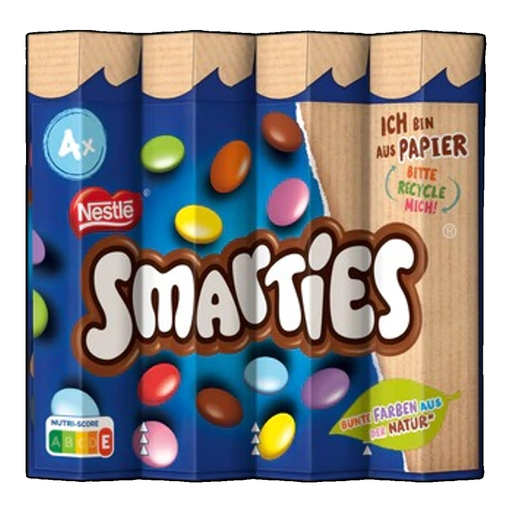
Smarties chocolate lentils Hexatubes, 4 × 34 g
The four 34 g tubes can be planned as separate pack portions to take along. The chocolate lentils inside a tube shouldn’t be confused with individually wrapped pieces; if you want to hand out individual lentils, you’ll need to portion them separately.
View on Joybuy
 No image available
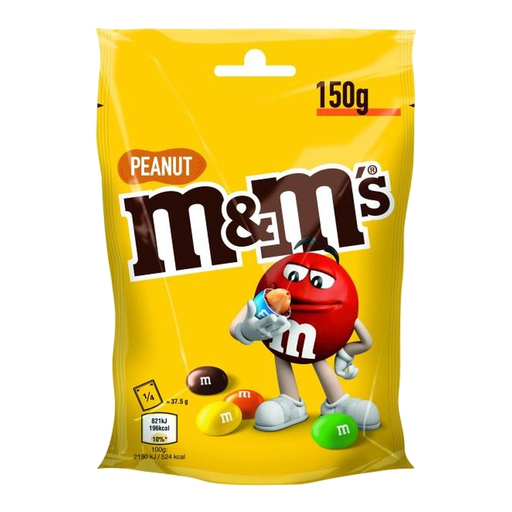
M&M's Peanut chocolate-coated peanuts, 150 g
The 150 g bag is an option for a planned sharing occasion if you want to give the group chocolate-coated peanuts. Divide the pieces into separate portions in advance and check the current allergen information carefully.
View on Joybuy
Frequently asked questions
Are individually wrapped minis more practical than a large bag for a packed lunch?
Yes, if you want to include one separate, countable sweet. A large bag can work for a planned group, but you should divide it into the portions you need in advance. Individual wrapping doesn’t replace checking the ingredients or deciding how much to include.
What should I check for allergens when sharing with a school group?
Check the ingredients list and allergen information for each specific variety before sharing the chocolate. Lebensmittelklarheit distinguishes declared allergenic ingredients from additional warnings about possible traces. If anyone has a known allergy, you should also check the affected family’s individual requirements.
Can chocolate replace a packed lunch?
No, chocolate isn’t a substitute for a regular packed lunch. The German Nutrition Society describes sweets as generally low in nutrients and regards them as an occasional extra. So include chocolate alongside the packed lunch, not instead of it.
How should I carry portioned chocolate in a school bag?
Put only the intended amount in a sturdy lunchbox and protect it from heat and pressure. Also follow the storage instructions on the pack you bought; for example, Milka advises storing its Mmmax Alpine Milk bar in a dry place and protecting it from heat.


