A shake for one
If you usually make one serving and want to avoid transferring it between containers, a cup you can blend and drink from can be handy. WMF lists the Kult X Mix & Go as coming with a 0.6 l container.


For a single chocolate milkshake, a personal blender with a suitable blend-and-drink cup is an obvious choice. If you want to make several glasses in one go, compare the jug blender’s usable capacity with the amount your recipe makes. For the occasional small batch of soft ingredients, a hand blender may do the job in a suitable container. If you’re using ice cubes or frozen ingredients, check that the specific model is approved for them; wattage alone isn’t enough.
If you usually make one serving and want to avoid transferring it between containers, a cup you can blend and drink from can be handy. WMF lists the Kult X Mix & Go as coming with a 0.6 l container.
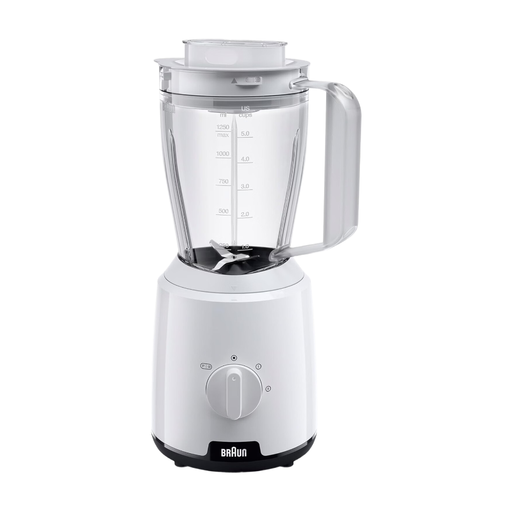
If you’re making several chocolate milkshakes at once, compare the recipe quantity with the jug blender’s working capacity. Braun lists a 1.25 l working capacity for liquids for the JB1050WH.
If you’re adding ice cubes or frozen ingredients to your shake, check that the specific model is approved for them. Wattage alone won’t tell you how it will handle ice.
A good fit if: You want to make several glasses at once. Compare the recipe quantity with the stated working capacity; Braun lists 1.25 l for liquids for the JB1050WH.
Things to weigh up: The jug and accessories take up space and need cleaning. The stated capacity alone doesn’t tell you how much of a recipe will actually fit.
A good fit if: You usually blend one shake and want to drink it straight from the same cup. WMF describes the Kult X Mix & Go as having a 0.6-l blending container that also serves as a drinking bottle.
Things to weigh up: You may need to blend several batches to make multiple glasses. Also check how many cups are actually included in the set.
A good fit if: You occasionally make small quantities of soft ingredients in a suitable, sufficiently deep container. The SWR describes hand blenders as an option for small quantities.
Things to weigh up: You’ll need to hold the appliance while blending, and allow for splashes and cleaning the blending foot and container. You can’t tell whether it’s suitable for ice just from the type of appliance.
| What matters | What to check before buying | Who it matters most to |
|---|---|---|
| Quantity per batch | Compare your usual recipe quantity with the working capacity or fill line, and check how many cups are included. | If I’m making several shakes after the weekly shop, I want to blend as much of the total quantity as possible in one go; around 36% of consumers put batch size first. |
| Cleaning after milkshakes | Check the care instructions for the cup, lid, seals and blade individually. | If I want to remove milk residue thoroughly after blending without making cleaning unnecessarily awkward, I check how each part should be cared for; around 29% of consumers prioritise ease of cleaning. |
| Ice and frozen ingredients | Check the instructions for the specific model to see whether it has an ice-crushing function and which ingredients are permitted. | If my recipe includes ice cubes or frozen ingredients, I want to know whether the specific appliance is approved for them; around 21% of consumers put ice and frozen ingredients first. |
| Storage space and what’s included | Compare the appliance’s dimensions with your available storage space and check exactly what’s included in the box. | If my kitchen has limited worktop space, I want to be able to store the appliance and its accessories easily, and know which set contents I need; around 14% of consumers prioritise space requirements and effort. |
For jug blenders, the working capacity for liquids can be important. For personal blenders, you’ll also need to check the maximum fill line.
Make a note of your usual recipe quantity and compare it with the working capacity, fill line and set contents for the specific model.
You may need to blend several batches or use an additional cup to make multiple glasses.
A CHIP test of jug blenders reports varying results with ice, even among high-powered models. Wattage alone therefore doesn’t guarantee a particular ice texture.
Check the permitted ingredients in the instructions for the specific model, and look for test results for that exact model if needed.
Manufacturer cleaning instructions may only apply to certain parts. For a milkshake, you’ll also need to consider the cup, blade, lid and seals.
Read the care instructions for each part individually. The Verbraucherzentrale recommends cleaning kitchen utensils when preparing food.
Parts that the instructions say aren’t dishwasher-safe may need to be washed by hand.
WMF’s Kult X Mix & Go is a personal blender with a blend-and-drink container.
The product range includes jug blenders such as the PowerBlend 1 JB1050WH, and hand blenders such as the MultiQuick 5 Vario MQ 5235 BK.
The 5000 Series HR3030/00 is a jug blender with a glass jug for larger recipe quantities.
The Original 600 NB603DG is a personal blender with a to-go cup.
This selection includes portable personal blenders for individual shakes, as well as a jug blender for several servings.
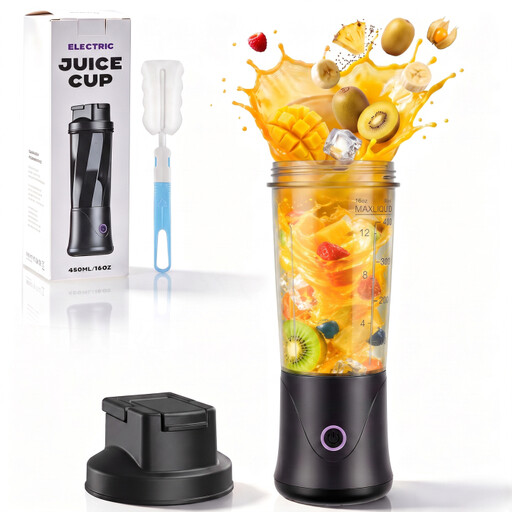 No image available
For a single serving that you can make and drink straight from the blending cup.
Blending cup: 400 ml; 6 stainless steel blades.
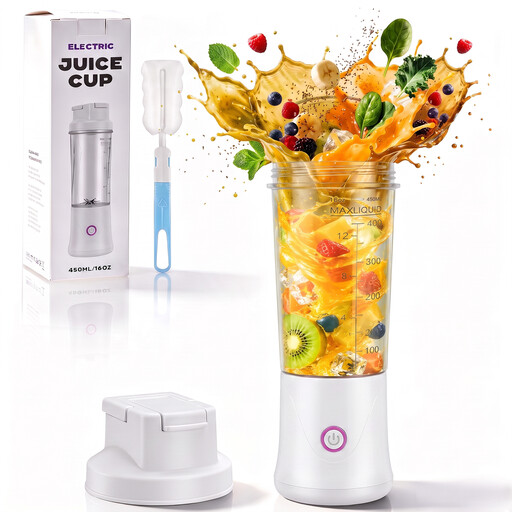 No image available
For a shake that you blend and drink straight from your personal cup.
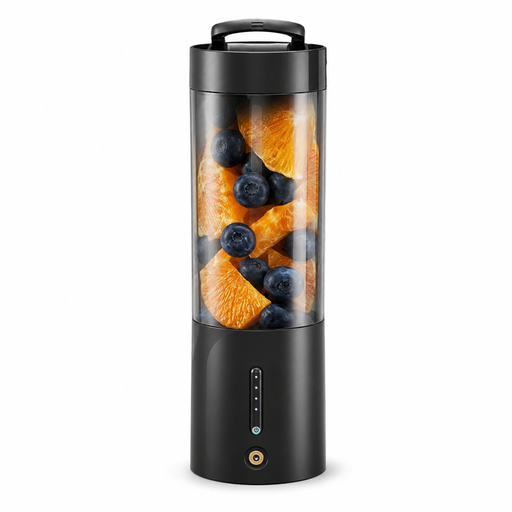 No image available
For a single-serving shake if you’re looking for a portable blender.
Container: 450 ml PCTG; 6 stainless steel blades; 20,000 RPM; magnetic charging.
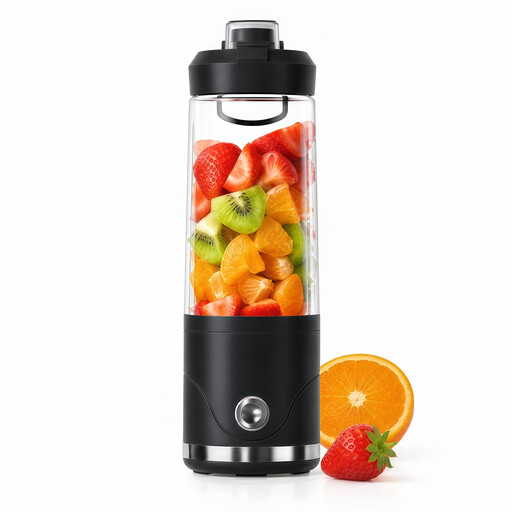 No image available
For a single-serving milkshake that you can take with you.
Plastic cup: 650 ml; 6 stainless steel blades; leakproof screw-top lid; built-in battery and USB-C charging; self-cleaning mode.
 No image available
If you want to make several servings, compare your recipe quantity with the stated 1.5 l blending jug.
1.5 l blending jug; 600 W; ice-crushing function; two speeds; pulse function.
No. Check that the specific model is approved for them. Braun lists an ice-crushing function for the JB1050WH, but that doesn’t mean other appliances are approved for ice or guarantee a particular ice texture.
Clean all food-contact parts according to the instructions for the specific model, and check the care instructions for the blade, container, lid and seals individually. The Verbraucherzentrale recommends cleaning kitchen utensils when preparing food; check separately whether each part is dishwasher-safe.
Take chilled food home promptly, ideally in an insulated or cool bag. Follow the storage instructions on the packaging; a blender isn’t a substitute for keeping food properly chilled. The Verbraucherzentrale highlights this advice.
No. In Germany, your statutory rights are a legal claim against the seller, while a manufacturer’s guarantee is an additional voluntary service with its own terms. The Verbraucherzentrale explains that, in principle, the seller is responsible for the goods being free from defects at the time of delivery for two years.
Mains-powered appliances covered by the EU Low Voltage Directive, with a rated voltage between 50 and 1,000 V AC, must meet the applicable EU conformity requirements, including CE marking. The European Commission and Your Europe outline these requirements. The Bundesnetzagentur also lists product traceability, manufacturer details and German-language instructions with the required warnings as points to check. CE marking is not an independent quality mark for blending results.