
Lieferung heute & morgen

Qualitätsgarantie

Willkommens-Angebote freischalten: KOSTENLOSE Lieferung | Bis zu 80 % RABATT | Kostenlose 30-Tage-JoyPlus-Testphase
App herunterladen
The search for new and interesting sweets often leads directly to the world of Asian desserts. In particular, Chocolate Mochi, the combination of soft glutinous rice cake and rich chocolate, is gaining a growing fanbase. But the variety is vast, ranging from classic fillings and Mint Chocolate Mochi to frozen Chocolate Mochi Ice Cream. This article serves as a guide to help you understand the different types of Chocolate Mochi and find the perfect choice for your palate.
As your Joybuy Product Recommendation Officer, I have compiled the available information on various products to give you a clear overview of their features and differences.
Before you buy Chocolate Mochi, a few criteria can help you make the right decision. The variety spans from origin to filling type, each offering a different taste experience.
Although mochi originally comes from Japan, there are also popular varieties from other parts of Asia.
The filling largely defines the character of the mochi.
Ingredient lists can vary significantly between manufacturers. It is advisable to check the packaging information carefully, especially for allergies to milk, soy, or nuts. For consumers looking for Halal Mochi, an explicit certification on the product is crucial, as not all mochi are halal by default.
Here is a curated overview of various chocolate mochi products that cater to different preferences and requirements.
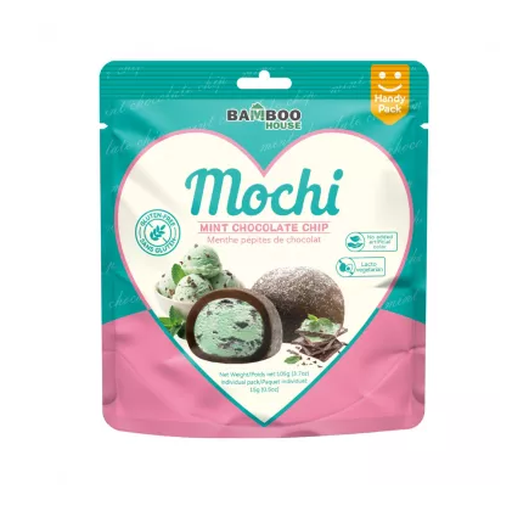
Why It Stands Out: This Taiwanese mochi combines the classic taste of chocolate with a refreshing hint of mint. The mint-chocolate cream filling offers a balanced flavour experience between sweet cocoa and cool peppermint.
Pros:
Who It's For: For anyone who appreciates the taste of Mint Chocolate Mochi and is looking for a change from traditional chocolate desserts. Ideal for fans of After Eight and similar mint-chocolate combinations.
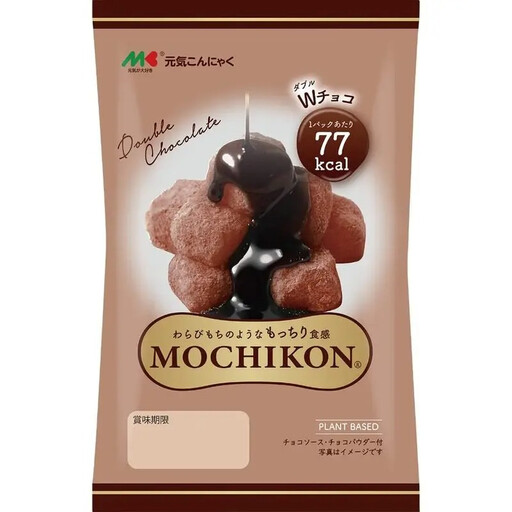
Why It Stands Out: This product from Japan is explicitly Halal-certified. Instead of glutinous rice, it uses konjac powder, which gives it a unique, slightly firm texture while also being lower in calories. The double chocolate flavour comes from cocoa powder.
Pros:
Who It's For: For consumers specifically looking for Halal Mochi or who prefer an alternative to traditional glutinous rice mochi with a firmer texture and fewer calories.
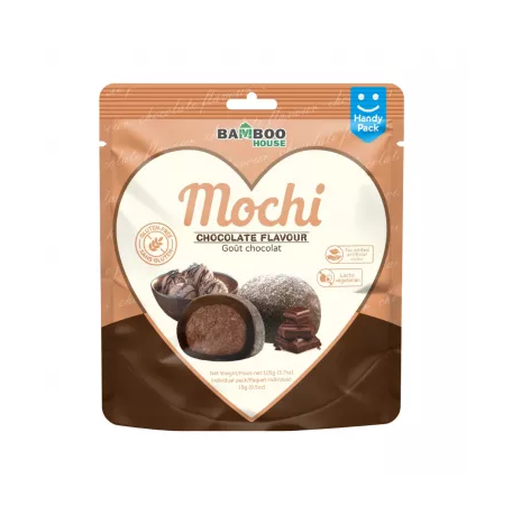
Why It Stands Out: This is the classic version of Chocolate Mochi from Bamboo House. It offers the pure, unadulterated taste of chocolate mochi with a creamy cocoa filling, enveloped in soft glutinous rice dough.
Pros:
Who It's For: For purists and newcomers who want to experience the authentic taste of Taiwanese chocolate mochi without any additional flavours.
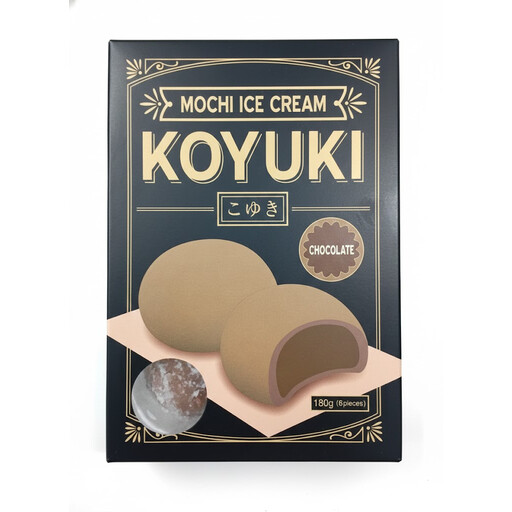
Why It Stands Out: This product combines two popular desserts: mochi and ice cream. The glutinous rice dough shell encloses a core of creamy chocolate ice cream. It is a classic Japanese sweet in frozen form.
Pros:
Who It's For: For lovers of Chocolate Mochi Ice Cream and anyone looking for a frozen dessert that offers an interesting variety of textures.
The world of chocolate desserts is vast and diverse. If you haven't found the right fit among these recommendations or simply want to browse further, you can find a wider selection of chocolatey treats in our Chocolate Desserts category.
Chocolate Mochi is a Japanese or Taiwanese sweet made from a dough of glutinous rice (mochigome). This dough is steamed and pounded into a soft, chewy mass. It is then filled with a chocolate-flavoured filling, or the dough itself is flavoured with cocoa.
Storage depends on the type of mochi. Shelf-stable mochi with cream fillings should be stored in a cool, dry place, away from direct sunlight. Once opened, they should be consumed promptly. Chocolate Mochi Ice Cream must be kept frozen at -18°C (-0.4°F) at all times. It is recommended to take them out of the freezer a few minutes before eating to allow the dough to soften slightly.
No, not all chocolate mochi is halal by default. The ingredients, particularly gelatine or certain emulsifiers and flavourings, can be of animal origin. If you are looking for Halal Mochi, it is essential to look for an official Halal seal on the product packaging, as is the case with the MARUKIN Halal Mochikon Double Chocolate, for example.