What to look for when buying
First decide whether the chocolate is mainly for trying, serving in separate portions or taking away for later. Then check the ingredients of each pack you’re considering.
| What matters | What to check | Who it matters to |
|---|
| Variety |
The varieties and types of individual pieces included; for pralines, check the fillings too. |
If guests want to try different things, you’ll want more than one variety on the table. Around 29% of consumers prioritise variety when choosing. |
| Separate portions |
The number of pieces, weight per piece and whether the individual pieces in the pack are wrapped. |
If there’s chocolate left over after coffee for lunchboxes, individually wrapped pieces are a priority. For around 24% of consumers, portion size is the main consideration. |
| Ingredients and allergens |
The ingredients list, highlighted allergens and precautionary allergen labelling; check each variety in mixed packs. |
Anyone who needs to avoid certain ingredients because of an allergy or for another reason will want to know exactly what’s in the pack before sharing. This is the main buying consideration for around 29% of consumers. |
| Chocolate to go with coffee |
Your preferred variety, the stated cocoa content or the praline fillings. |
If you have a particular dark chocolate or selection of pralines in mind for coffee, the variety matters more than having the widest possible assortment. Around 18% of consumers make this their main consideration. |
Brands to help you choose
These examples show different pack formats and varieties. Always refer to the information on the specific pack when making your choice.
Ritter Sport
Small, assorted chocolate formats for sharing.
- In 2019, Ritter Sport described its mini Nuss Mix as an assorted pack of seven.
- Check the varieties, number of pieces and allergen information on the pack you choose.
Milka
Favourites: an assortment of small pralines.
- Milka describes six different varieties of individually wrapped pralines.
- Check which varieties are included in the specific box before buying.
Lindt
MINI PRALINÉS: a selection of small pralines with different fillings.
- The 150-g pack described includes several varieties to share.
- This Lindt assortment includes nut fillings and Marc de Champagne truffles, among other varieties. Check the list if allergens or alcohol are a concern.
kinder
Individually wrapped bars for separate portions.
- kinder lists packs of kinder Chocolate containing 4, 8 and 24 bars.
- The recipe described contains milk ingredients and soya; check the information on the pack you choose.
Schogetten
Pre-portioned chocolate bars and small snack packs.
- Schogetten offers a range of varieties in individual pieces.
- Ingredients and nutritional values vary by variety; for Schogetten Nugat, the brand lists 53 g of sugar per 100 g.
REWE Beste Wahl
Individual bars for choosing a specific type of chocolate.
- REWE offers a dark chocolate bar with 80% cocoa.
- Possible traces of milk, hazelnuts, almonds and soya are listed for this bar.
Chocolate for your coffee table at Joybuy
This selection includes assorted chocolate minis and pralines for sharing, as well as a pack of bars for separate portions. As well as pack size, compare the varieties and check whether the individual pieces are wrapped.
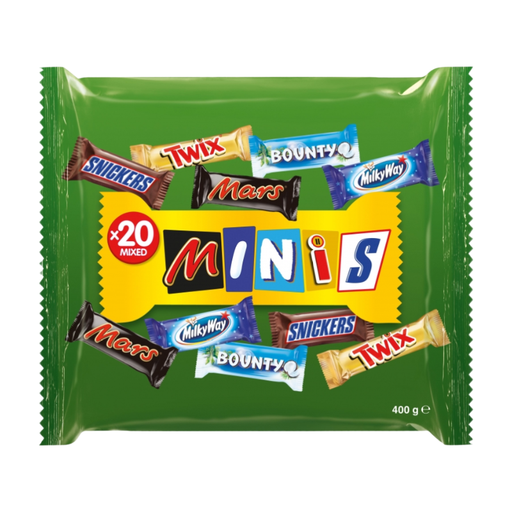 Image unavailable
Mars Mixed Minis, chocolate bar assortment, 400 g
An assortment of small bars for guests who want to try different varieties. The pack contains 400 g; if you’re planning portions for a particular number of people, check the number of bars and the ingredients in the specific assortment.
View at Joybuy
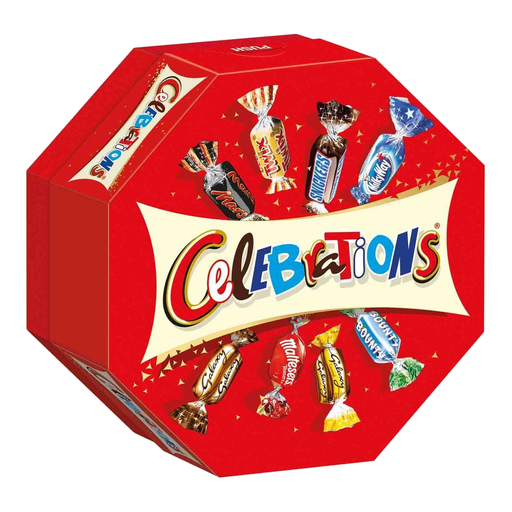 Image unavailable
Celebrations Assorted Chocolate Pralines Box, 186 g
This mixed praline box is a good option for offering a selection with coffee. It contains 186 g; check the varieties, number of pieces and whether they’re individually wrapped if you’re planning specific portions.
View at Joybuy
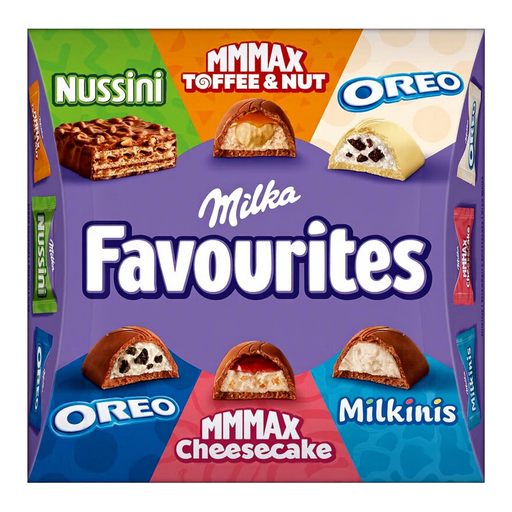 Image unavailable
Milka Favourites, assorted chocolate minis, 158 g
The 158-g box is a good fit for a coffee table where you want to offer small pieces of chocolate. Check the varieties and number of pieces in this box; Milka’s general description of Favourites doesn’t specify exactly what it contains.
View at Joybuy
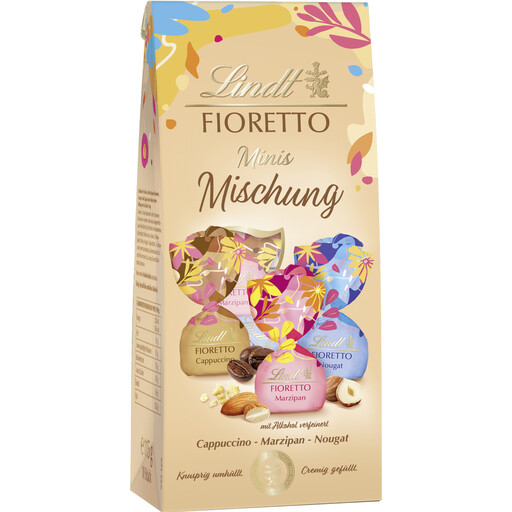 Image unavailable
Lindt FIORETTO Assortment Minis, 115 g
This 115-g assortment of pralines is a good choice for a small plate of chocolates with coffee. Check the fillings and ingredients, particularly if you need to avoid alcohol or allergens. If you want portions to take away, it’s also worth checking whether the individual pieces are wrapped.
View at Joybuy
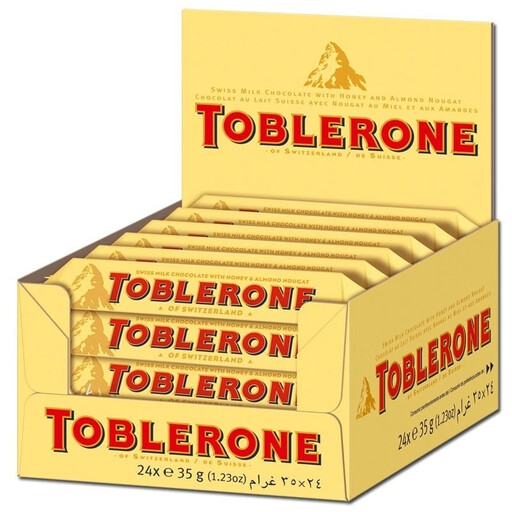 Image unavailable
Toblerone Mini Chocolate Family Pack, 24 × 35 g
This pack of bars is a good option if you want to hand out separate portions or save some for later. It contains 24 bars, each weighing 35 g. Consider whether this pack size suits your occasion, and check the ingredients.
View at Joybuy
Frequently asked questions
Do I need to check the allergens in every variety in a chocolate multipack?
Yes. If anyone in your group has an allergy or intolerance, check the information for the whole assortment and its individual varieties. The German Federal Office of Consumer Protection and Food Safety explains that the main substances that cause allergies or intolerances must be listed and highlighted in the ingredients list. Also check the precautionary allergen labelling on the specific pack.
Is dark chocolate automatically free from milk and nuts?
No. REWE lists possible traces of milk, hazelnuts, almonds and soya in its Beste Wahl dark chocolate with 80% cocoa. If you have an allergy, check the information on the specific pack rather than relying on the cocoa content alone.
Are mini pralines always suitable for a group avoiding alcohol?
No, fillings can vary. Lindt’s MINI PRALINÉS, for example, includes Marc de Champagne truffles. If you need to avoid alcohol, check the list of varieties in the specific assortment before buying.
What should I do if there’s chocolate left over after Sunday coffee?
Follow the storage instructions on the pack and check the best-before date. The Federal Ministry of Agriculture, Food and Regional Identity explains that, when food is stored properly, this date indicates how long it will retain its specific qualities at a minimum; it is not a blanket ‘throw it away’ date.


