Parents with a set routine for treats
You’d like to portion out a small amount for your toddler occasionally, rather than leave an open pack within easy reach. The Federal Institute of Public Health advises limiting sweet treats deliberately.


Chocolate multipacks aren’t suitable as a regular lunchbox snack for toddlers. The Federal Institute of Public Health recommends keeping sweet treats to small, planned amounts rather than offering them throughout the day. For an occasional treat, it’s easier to take out a single bar deliberately; with chocolate slabs and mixed packs, adults need to portion the amount themselves. Whatever the format, always check the ingredients and allergen information on the specific pack.
You’d like to portion out a small amount for your toddler occasionally, rather than leave an open pack within easy reach. The Federal Institute of Public Health advises limiting sweet treats deliberately.
You compare the labelling on each specific variety. For the chocolates described by REWE, ingredients and warnings relating to milk, soya, nuts, wheat and egg, for example, vary between slabs, bars and mixed packs.
You’re looking for a format to enjoy together occasionally and want to portion out the pieces yourself. A segmented chocolate slab could work, provided an adult puts the rest away afterwards.
First, decide whether chocolate is intended for an occasional treat planned by an adult, rather than as a regular part of your toddler’s lunchbox. Then consider the pack format, the ingredients and whether you can put the rest away for later.
| What matters | What to check before buying | Who it matters most to |
|---|---|---|
| A planned small amount | Can you take out a specific amount and put the rest away out of sight? An individually wrapped piece isn’t automatically a suitable portion for a child. | If I give my child something sweet occasionally, I want to decide on the amount beforehand and avoid further snacking. Around 50% of consumers put this control over portions first. |
| Ingredients and allergens | Read the ingredients list and allergen information for the specific variety, especially with mixed packs containing different pieces. | As I need to take certain ingredients into account, the labelling on the exact pack I’m buying matters most to me. Around 30% of consumers give this check priority. |
| Easy to share | Check whether you can portion out the pieces at home and put the rest of the pack away afterwards. | For an occasional family treat, I want to share chocolate without opening up the whole pack. Around 20% of consumers put ease of sharing first. |
The size of a small piece doesn’t, on its own, tell you the planned total amount or how often your child will snack. For example, the Kinder chocolate bars described by REWE contain 53,3 g of sugar per 100 g.
Save sweet treats for an occasional, clearly defined moment rather than planning to put mini pieces in your toddler’s lunchbox regularly.
Ingredients and ‘may contain’ warnings vary between the varieties described by REWE. A familiar chocolate slab and a mixed pack from the same brand won’t necessarily contain the same allergens.
Before buying, read the ingredients and allergen information on the specific pack, particularly for mixed varieties.
Having more pieces in the cupboard doesn’t set a sensible amount to serve. The Federal Institute of Public Health recommends keeping amounts manageable and advises against keeping stocks of sweets constantly in sight.
Decide what you’ll offer for one treat and keep the rest out of sight.
The Federal Institute of Public Health advises against eating or drinking sweet things constantly, and recommends offering treats after a main meal instead.
Plan one clearly defined treat rather than lots of little snacks, and make sure your child’s dental care is appropriate for their age.
These examples refer to specific products described by REWE. Check the ingredients, nutritional information and pack format for the variety you choose.
Kinder chocolate is an example of individually wrapped bars sold in a multipack.
The varieties considered come in two different formats: a multipack of breakable Alpine milk chocolate slabs and mini chocolate pieces.
The Bunte Mix considered here combines mini chocolates and chocolate cubes to share.
The Mini Kugeln considered here come in a mixed pack for occasional sharing, rather than as a set bar portion.
The milk chocolate slab considered here is already divided into pieces that adults can portion out themselves.
This selection features multipacks of chocolate bars. For an occasional treat, an adult can take out one bar deliberately; however, the pack size doesn’t tell you what amount is right for a toddler. Check the advice, ingredients and allergen information on the specific pack.
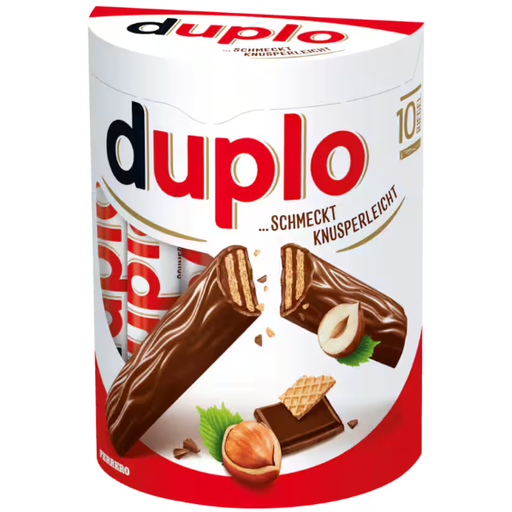 No image available
For an occasional treat, an adult can take one bar from the multipack and decide how much to give the toddler.
Pack information: 10 bars, each 18,2 g. Check the ingredients and allergen information on the specific pack.
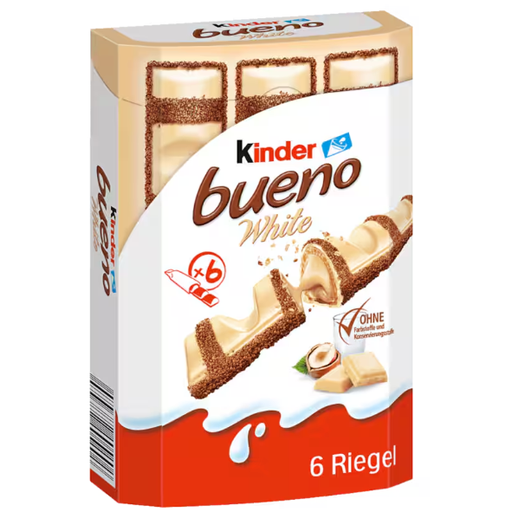 No image available
The multipack lets you take out one bar for an occasional treat without offering the rest.
Pack information: 6 bars, each 19,5 g. Before buying, check the ingredients, allergens and advice on the pack.
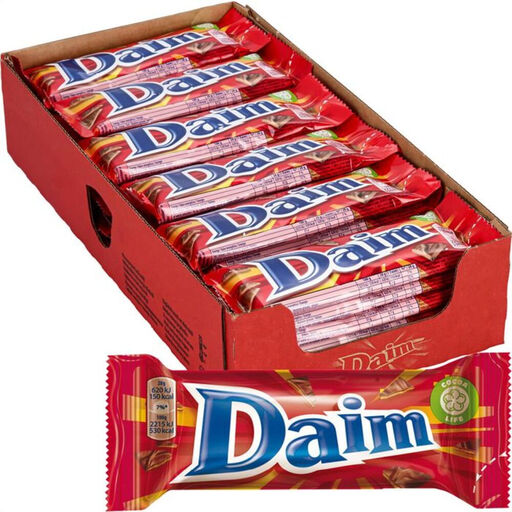 No image available
For an occasional treat, you can take out one bar deliberately; the large supply shouldn’t be constantly within reach.
Pack information: 36 bars, each 28 g. Check the ingredients and allergen information on the specific pack.
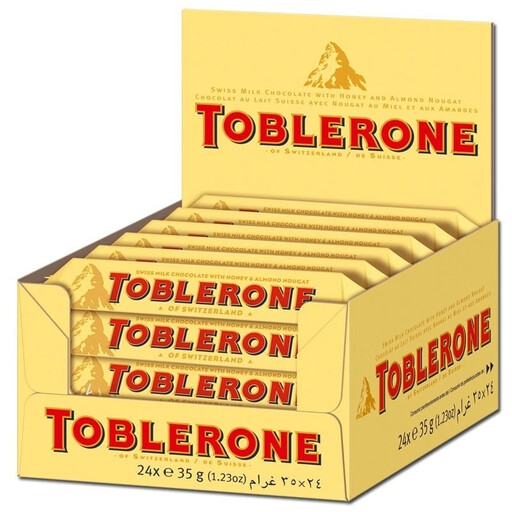 No image available
The bar format lets you take one out for the occasional treat; a whole bar isn’t automatically a suitable portion for a child.
Pack information: 24 bars, each 35 g. Check the advice, ingredients and allergens on the specific pack.
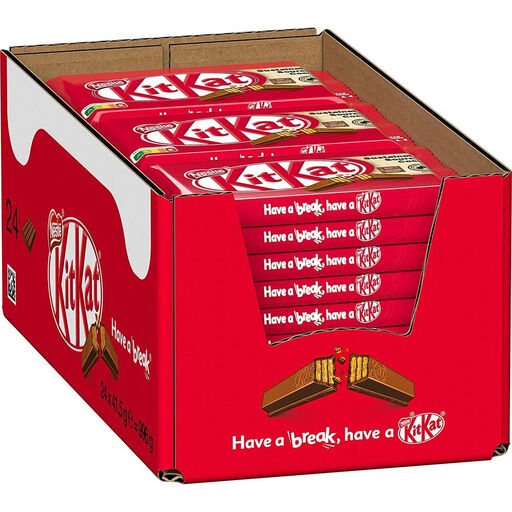 No image available
For an occasional treat, an adult can take out one bar and decide how much to offer.
Pack information: 24 bars, each 41,5 g. The bar size isn’t a recommendation for a toddler’s portion; check the ingredients and allergens on the pack.
No. Chocolate isn’t suitable as a regular lunchbox snack. The Federal Institute of Public Health advises planning small amounts of sweet treats deliberately rather than offering them throughout the day.
You can take an individual bar out of the pack as a single unit; with a chocolate slab, adults need to break off the pieces themselves. But a bar size or the portion information on a slab isn’t automatically a suitable amount for a toddler. According to REWE, the Milka slab considered here specifically lists a portion for average adults.
Before buying, read the ingredients list and allergen information for the specific variety. Depending on the product, the chocolate varieties described by REWE list milk, soya, nuts, wheat or egg, among other ingredients, or include relevant ‘may contain’ warnings. If your child has a known allergy, the labelling must meet their individual requirements.
The Federal Institute of Public Health recommends offering sweet treats after a main meal rather than throughout the day. Make sure your child’s dental care is appropriate for their age, too.