
Lieferung heute & morgen

Qualitätsgarantie

Willkommens-Angebote freischalten: KOSTENLOSE Lieferung | Bis zu 80 % RABATT | Kostenlose 30-Tage-JoyPlus-Testphase
App herunterladen
With the sheer volume of options available, the search for the right chocolate-flavoured whey protein can be overwhelming. Many athletes and fitness enthusiasts want to specifically support their muscle building with protein powder, but are faced with marketing promises that often obscure more than they clarify. Before you make a decision, it's crucial to understand the most common pitfalls to make an informed choice that aligns with your goals and budget.
Many products on the market aren't as effective as they're advertised to be. Pay close attention to these two points to avoid disappointment:
To find the right product for your needs, focus on the following objective criteria. These will help you evaluate the quality of a protein powder, independent of advertising claims.
The foundation of any whey protein is whey, which comes in various forms. The most common form is Whey Protein Concentrate (WPC). It offers a good balance between protein content (typically 70–80%) and price, and it still contains small amounts of fats and carbohydrates (lactose). For most users, it is a perfectly adequate and cost-effective choice.
More advanced and expensive variants include:
A high-quality protein powder should dissolve effortlessly in liquid without clumping. Poor solubility can indicate low-quality processing and makes preparing a smooth post-workout protein shake difficult.
Furthermore, take a close look at the ingredient list. A short and understandable list is usually a good sign. Pay attention to the type of sweeteners used (e.g., sucralose, acesulfame K) and emulsifiers (e.g., soy or sunflower lecithin), which are necessary for solubility and taste.
Based on the criteria above, we have compiled a selection of products suitable for different user profiles.
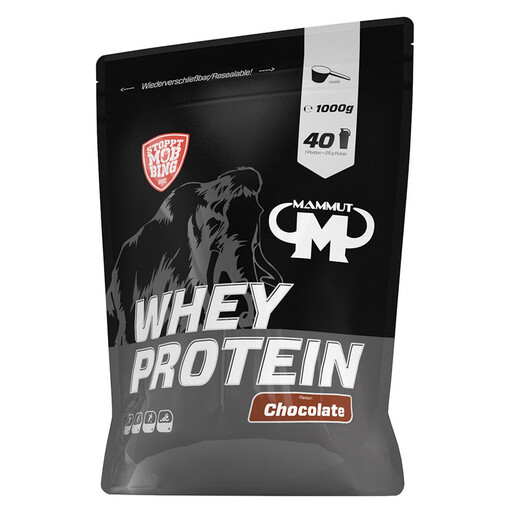
Why it's a good fit: This 1kg protein powder offers solid value for money. It is based on pure Whey Protein Concentrate, making it an ideal foundation for athletes looking to secure their protein intake without high costs. The classic chocolate flavour has wide appeal.
The ingredient list is short and transparent. The protein content is clearly declared, so there's no confusion caused by preparation with milk.
Good solubility in water and milk for a clump-free shake. A convenient measuring scoop is included.
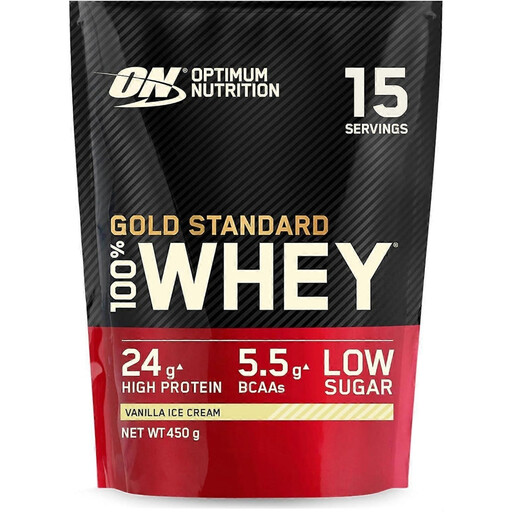
Why it's a good fit: For athletes who prioritise the purity and composition of their protein. This product combines whey protein isolate, concentrate, and hydrolysed isolate. Although it's featured here in the vanilla flavour, the formula is compelling for users seeking an advanced protein blend.
The formula is optimised for low sugar and fat content. The focus is clearly on providing a high-quality protein blend instead of fillers.
Multi-component formula with isolate as the main ingredient. According to the manufacturer, it contains 5.5 g of naturally occurring BCAAs per serving.
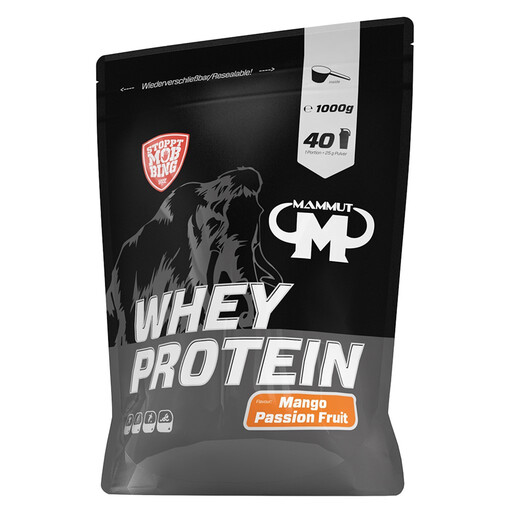
Why it's a good fit: For anyone looking for a change from classic flavours like chocolate or vanilla. The refreshing mango-passion fruit note turns the post-workout shake into a fruity treat and offers a welcome alternative.
Despite the exotic flavour, the base remains a solid Whey Protein Concentrate without unnecessary fillers. The ingredient list is clear and focused on the essentials.
Excellent solubility for a creamy, tropical shake. Provides a flavour alternative for long-term motivation.
We have compiled a complete, real-time updated list of products that fully meet these strict selection criteria.
Whey Protein Concentrate (WPC) is the most common form of whey protein. It undergoes a filtration process and has a protein content of about 70-80%. The remainder consists of small amounts of fat and carbohydrates (lactose). It's a cost-effective choice for most athletes. Whey Protein Isolate (WPI) is filtered more intensively, increasing the protein content to over 90% and removing almost all fat and lactose. It is absorbed more quickly by the body and is a good option for individuals with lactose intolerance or for athletes in a strict diet phase.
Modern protein powders are designed to dissolve well in both liquids. The choice depends on your personal goals and preferences. Mixed with water, the shake has fewer calories, and the protein tends to be absorbed slightly faster by the body. Prepared with milk, the shake becomes creamier, has a richer taste, and provides additional protein and calories, which can be beneficial for a mass-gaining phase.
A common recommendation is to consume a protein shake within 30 to 60 minutes after your workout to support muscle recovery and growth. On training days, one shake is usually sufficient. It's important to emphasise that supplements are intended to complement a balanced diet, not replace it. Always follow the serving recommendations on the specific product, such as the instruction for a maximum of one serving per day.