Individually wrapped chocolate biscuit bars are a practical choice for a baking session with children if each child needs their own portion. For eye-catching decorations or biscuit crumbs, however, chocolate biscuits in a different shape may work better for your recipe. The key factors are the number of pieces and packaging format in the specific pack, as well as its ingredients, allergens and nutritional information.
Which biscuit shapes are right for you?
Families making small batches
If each child is to have a piece to decorate or enjoy, having the right number of biscuits and clearly defined portions makes planning easier. A bar is not necessarily individually wrapped, so always check the specific pack.
Families and groups with allergy requirements
If allergies affect your choice, check the ingredients of every packaged food you plan to use. For activities in nurseries and schools, the consumer advice centre also recommends recording the allergens present.
Families who enjoy an occasional sweet treat
Chocolate biscuits can be a little extra to enjoy while baking together. The German Nutrition Society considers sweets occasional extras, so the amount you plan to use and the nutritional information are also worth considering.
What should you look for when buying?
First decide whether you want to hand out the biscuits individually, use them whole as decorations or crumble them. Then compare the packaging, ingredients and the amount you’ll actually use during your baking session.
| Criteria |
What to check |
Most important for |
| Ingredients and allergens |
Read the ingredients and allergen information on the pack you actually buy; don’t assume the details are the same as for another variety. |
If a child needs to avoid certain ingredients, I want to be able to check every biscuit we use before the baking session. Checking ingredients is the top priority for around 36% of consumers. |
| Portions |
Check the number and size of the pieces, and whether they’re individually wrapped. A mini format alone doesn’t mean each biscuit is individually wrapped. |
If each child is to have their own piece, I need a pack that can be divided up accordingly. This question of portions is the main concern for around 29% of consumers. |
| Biscuit shape |
Choose between whole biscuits, minis, bars and sticks according to the decoration you have planned or the amount of crumbs you need. |
For a visible topping, I want the biscuit shape to suit the bake; crumbs call for a different approach. How the product will be used in a recipe is the main priority for around 21% of consumers. |
| Quantity and nutritional information |
Compare the sugar content per 100 g and take into account the amount in each planned portion. |
If the children are already making a sweet bake, I want to decide consciously how many extra biscuits to include. This is the main concern for around 14% of consumers. |
When comparing nutritional information, the consumer advice centre recommends looking at absolute values, such as sugar in grams. A value per 100 g makes it easier to compare products; how much you use during the baking session depends on the portion size.
Common selection mistakes
-
Assuming the allergens based on the brand
Ingredients can vary between different products in the same range. A familiar brand name or similar-looking packaging is no substitute for checking the information for the specific biscuit.
Check every pack you buy before using it. For group activities, the consumer advice centre recommends recording the allergens in all packaged foods you use.
-
Assuming “Single Bar” means any small biscuit format
A biscuit sandwich, a flat chocolate biscuit and a mini biscuit are all different shapes. A small pack also doesn’t tell you how many pieces it contains or whether they’re individually wrapped.
First work out whether you need whole pieces, small individual portions or crumbs. Then check the format, number of pieces and packaging of the variety you’ve chosen.
-
Looking only at the sugar per serving
Different serving sizes make direct comparisons difficult. The consumer advice centre recommends comparing absolute nutritional values, such as sugar in grams.
Compare the sugar content per 100 g, then take into account the amount of biscuits you actually plan to use.
-
Skipping handwashing before decorating
Even when you’re using ready-made biscuits, children handle food and kitchen equipment during preparation.
Make time for thorough handwashing with soap before you begin. The consumer advice centre highlights this in its guidance on food hygiene with nursery-aged children.
Brands to help you choose
The brands below can help you distinguish between biscuit shapes. Check the individual product to see which ingredients and pack sizes are available.
LEIBNIZ
LEIBNIZ offers a range of chocolate biscuit shapes. According to the brand’s product descriptions, Choco Vollmilch is a milk chocolate biscuit, Choco Edelherb is a dark chocolate variety, and Minis Choco is a mini biscuit.
- The different shapes described offer a range of options, from whole biscuits to smaller decorations.
- You can’t assume that all products in the range have the same recipe or that a specific pack is individually wrapped.
Bahlsen
Alongside biscuits, Bahlsen’s product overview features wafers and cakes, and its biscuit range includes LEIBNIZ Choco and PiCK UP! bars.
- If you’re weighing up chocolate biscuits against bars, you’ll find different formats within the biscuit range described.
- The brand overview is no substitute for checking the number of pieces, ingredients and allergens of the product you choose.
Sondey
Lidl sells Sondey as its own brand of confectionery and small baked goods.
- The brand can help you narrow down your search for small baked treats in Lidl’s range.
- You can only tell whether a specific product is a chocolate biscuit bar and what ingredients it contains by checking the product itself.
Chocolate biscuits for different uses
This Joybuy selection includes mini biscuit bars, chocolate biscuit sticks and mini chocolate biscuits. They could work as individual pieces or decorations for your baking session; check the pack to see whether each biscuit is wrapped separately.
 No image available
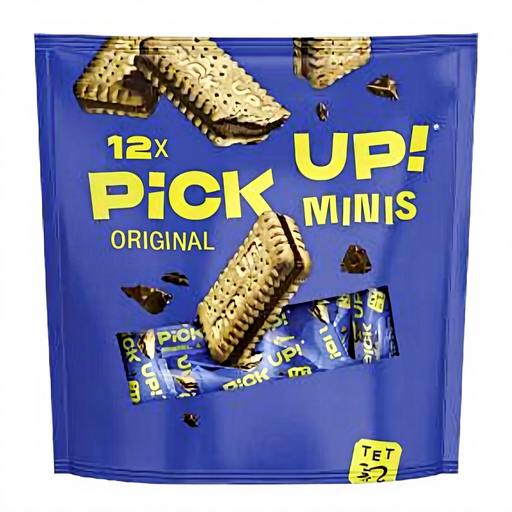
PiCK UP! Minis Original chocolate biscuit bars, 127 g
The mini bar format could work if you want to use individual biscuit pieces for your baking session.
Check how many bars are in the 127-g pack and whether they’re individually wrapped. Read the ingredients and allergen information before use.
View at Joybuy
 No image available
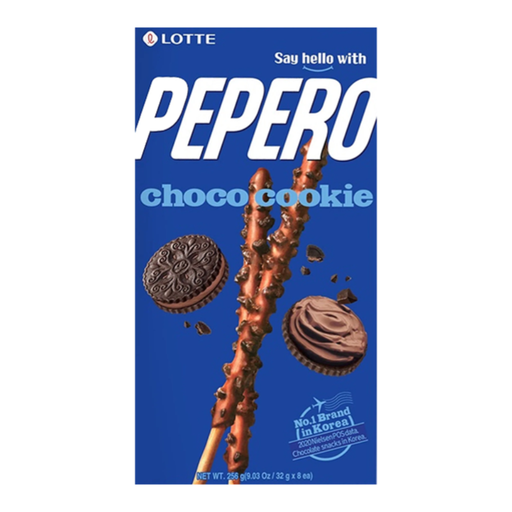
LOTTE PEPERO Chocolate Cookie biscuit sticks, 32 g
The stick shape could be a good choice if you’d like to use long chocolate treats rather than flat biscuits.
Check the number of sticks and packaging in the 32-g pack before planning individual portions. Also check the ingredients and allergen information on the pack.
View at Joybuy
 No image available
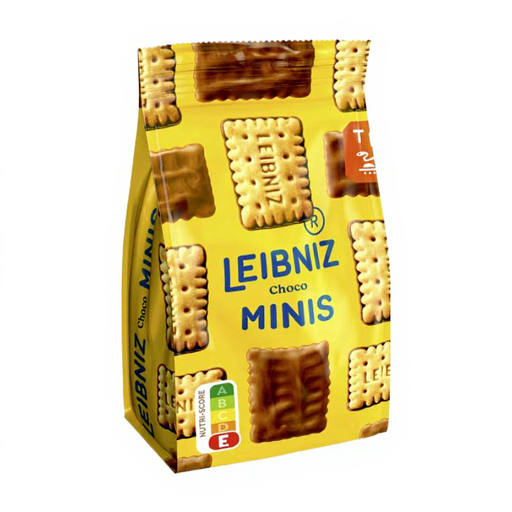
LEIBNIZ Minis Choco milk chocolate biscuits, 125 g
The mini biscuit format could work for small decorating jobs when you don’t need a bar shape.
The pack contains 125 g. If each child is to have their own portion, check the number of biscuits and packaging, and read the ingredients and allergen information.
View at Joybuy
Frequently asked questions
Are chocolate biscuit bars a better choice than other chocolate biscuits for baking with children?
Chocolate biscuit bars are particularly handy when you want to hand out individual pieces. For a flat, eye-catching biscuit topping, a different shape may suit your plans better. Before buying, compare the number of pieces, packaging and ingredients of the specific variety.
What should I check before a baking session if someone has a food allergy?
Check the ingredients and allergen information for all the biscuits and other packaged ingredients you’ll actually use. For activities in nurseries and schools, the consumer advice centre recommends recording the allergens present. If a child has a known allergy, follow the guidance specific to that child.
How can I make sure children are ready to decorate hygienically?
Before you begin, children should wash their hands thoroughly with soap and dry them with a clean towel. The consumer advice centre includes these steps in its guidance on food hygiene with nursery-aged children.
How can I include chocolate biscuits as a sweet treat?
Plan chocolate biscuits as a small, occasional extra for your baking session. The German Nutrition Society describes sweets as occasional extras; you can use the planned portions and the pack’s nutritional information to decide how much to serve.


