People short on time before a workout
If you want to take a modest amount with you, a small pack can be handy. Bahlsen describes its Choco LEIBNIZ Snack Pack as containing two biscuits, ready to enjoy on the go.


Chocolate-coated biscuits could be a handy little treat before a workout if convenience and flavour matter to you, but they’re no substitute for a diet suited to your training. Compare the portion you plan to eat with the nutritional information per 100 g, and check the ingredients and allergens. The German Nutrition Society (DGE) recognises carbohydrates as important for fuelling exercise, but notes that sugar-sweetened treats are generally low in nutrients and only keep you feeling full for a short time.
If you want to take a modest amount with you, a small pack can be handy. Bahlsen describes its Choco LEIBNIZ Snack Pack as containing two biscuits, ready to enjoy on the go.
If chocolate flavour matters to you, look for the specific variety and its stated chocolate content. REWE describes the ja! Zartbitter Schokokeks as a butter biscuit with 63% dark chocolate; that figure alone doesn’t determine whether it’s suitable before a workout.
If you need to avoid certain ingredients, check the ingredient list for the exact variety and look out for precautionary allergen advice, if relevant. The flavour description won’t tell you which allergens a biscuit contains.
When choosing chocolate biscuits before a workout, it’s worth deciding how much you want first, then checking the nutritional information and ingredients for the specific variety.
| What matters | What to check | Who it matters to |
|---|---|---|
| Portion size and convenience | Check the pack weight and, where stated, the number of biscuits; decide in advance how much you want to eat. | If you want to take just a small pack to your workout, it helps to have a clear idea of the amount; this is the main consideration for around 44% of consumers. |
| Nutritional information | Compare carbohydrates, sugar, fat and energy per 100 g, then relate them to the portion you plan to eat. | I want to understand the carbohydrate content without overlooking sugar and fat in the amount I plan to eat; this is the most important point of comparison for around 33% of consumers. |
| Ingredients and allergens | Read the ingredient list and highlighted allergens for the exact variety; check precautionary allergen advice if needed. | If you need to avoid certain ingredients, you’ll want to know exactly what’s in the recipe before buying; this check takes priority for around 23% of consumers. |
The DGE recognises carbohydrates as important for fuelling exercise. That doesn’t mean a chocolate biscuit will meet your needs for every workout duration and intensity; according to the DGE, sugar-sweetened treats generally keep you feeling full for only a short time.
If you’re planning to have a biscuit as a little treat, consider it separately from your other meals. Compare the nutritional information per 100 g and for the amount you actually plan to eat.
The flavour tells you neither enough about the sugar and fat content nor about the ingredients in each variety. For example, the ja! Zartbitter Schokokeks sold by REWE lists wheat, milk and egg ingredients.
Read the nutritional information and ingredient list on the specific pack. If you need to avoid allergens, also take into account any precautionary allergen advice that’s relevant to you.
For comparing smaller pack sizes: Bahlsen describes the Choco LEIBNIZ Snack Pack as containing two biscuits, ready to enjoy on the go.
For shoppers looking to compare a dark chocolate butter biscuit: REWE describes the ja! Zartbitter Schokokeks as a butter biscuit with 63% dark chocolate.
For comparing a milk chocolate butter biscuit: ALDI SÜD describes the BISCOTTO variety as coming in a 125 g pack.
This selection includes biscuit sticks in 25 g and 32 g packs, along with other chocolatey biscuit varieties in 48 g, 125 g and 156 g packs. Before buying, consider whether you’ll have the whole pack as one portion or take a smaller amount from it.
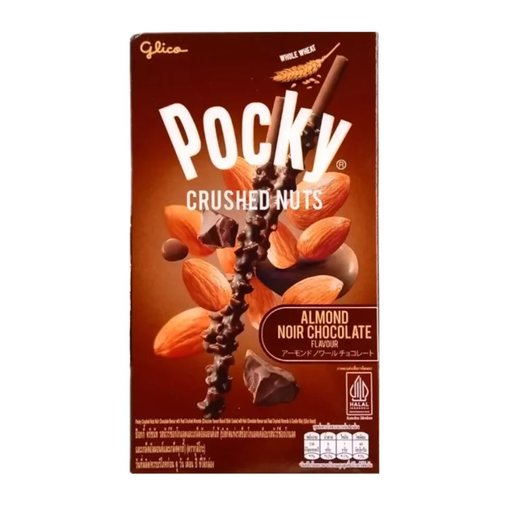 No image available
If you want to take a small pack with you, this variety contains 25 g. Relate the nutritional information per 100 g to the amount you actually eat, and check the pack labelling if you have allergies.
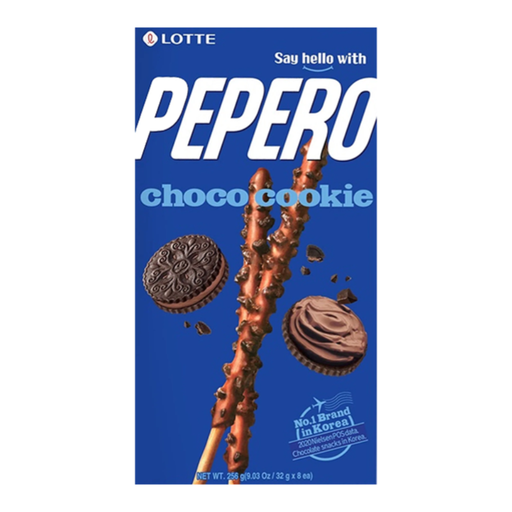 No image available
For a portion to take with you, compare the 32 g pack with the amount you plan to eat. If you only want some of the biscuit sticks, decide on the amount yourself; check the ingredients and allergens on the pack.
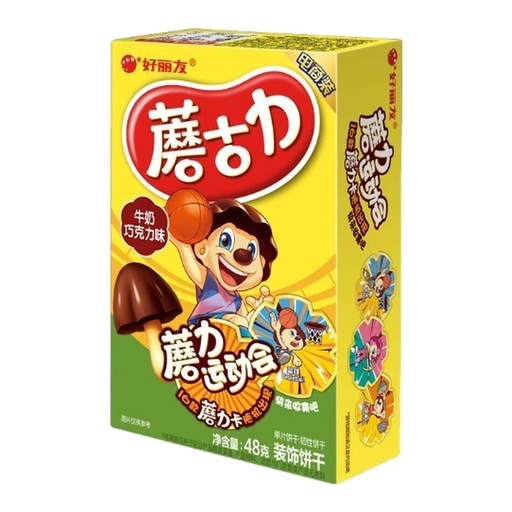 No image available
If you’re looking for a biscuit with a milk chocolate flavour, you can factor the 48 g pack into your portion planning. Before comparing nutritional information, decide how much you plan to eat.
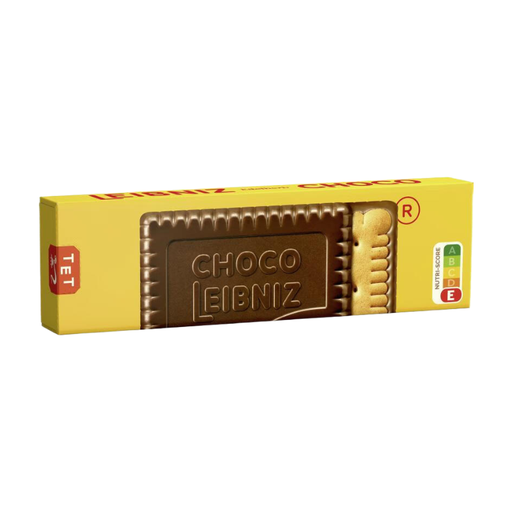 No image available
If you prefer butter biscuits with dark chocolate, this 125 g pack is an option to consider. For a snack before a workout, decide how much you want rather than treating the pack weight as a portion size.
 No image available
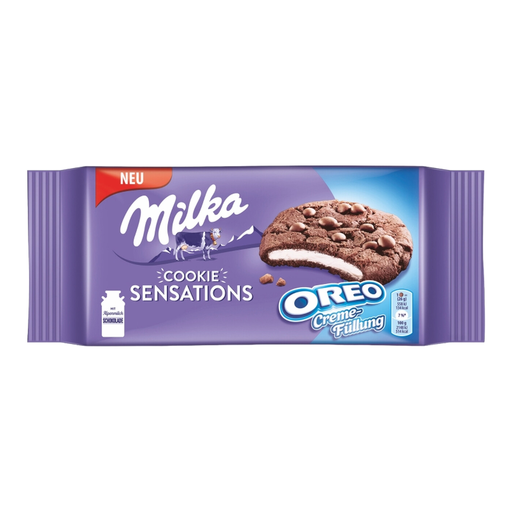
If you’re looking for cream-filled biscuits, this 156 g pack is one flavour option. For a small snack, decide how much you want to eat and check the ingredients and nutritional information on the pack.
They can work as a little treat to take with you if that suits your plans, but they’re no substitute for a diet tailored to your training. The DGE highlights the importance of carbohydrates for fuelling exercise, but describes sugar-sweetened treats as generally low in nutrients and only briefly satisfying.
Compare energy, carbohydrates, sugar and fat per 100 g, and also take into account how much you plan to eat. Information on saturated fat, protein and salt can help you assess the specific variety too; no single value determines whether it’s suitable before a workout.
No, the flavour description is no substitute for checking the ingredients for the specific variety. If you have allergies or intolerances, check the ingredients listed on the pack and any precautionary allergen advice that’s relevant to you.
Follow the storage instructions on the individual pack. For the biscuit products described by REWE, the stated advice includes storing them in a dry place and protecting them from heat.