Keyboard navigation testers
You work through navigation, forms and media controls on a choir rehearsal website without a mouse, so you need easily accessible keys and a focus indicator you can follow.


For regular navigation testing, a keyboard with easily accessible Tab, arrow and function keys is useful. For long writing sessions, the keyboard’s design and your hand position may matter more; for frequently used development commands, custom key assignments can help. However, a keyboard alone cannot make a website usable without a mouse. Its controls must be reachable, focus must remain visible and users must be able to complete each task without getting trapped by the keyboard.
You work through navigation, forms and media controls on a choir rehearsal website without a mouse, so you need easily accessible keys and a focus indicator you can follow.
You write longer page content or code, and weigh hand position and the time needed to get used to a keyboard against desk space and familiar key positions.
You want to assign frequently used commands to your own keys and can allow time to configure them and, where necessary, set up layers.
A good fit if: you regularly test tasks using Tab, arrow and function keys, and want to switch between layers as little as possible.
The trade-off: A full-size keyboard takes up more space than a compact one.
A good fit if: hand position and a split design matter to you during longer writing sessions.
The trade-off: The different key layout takes time to get used to, and an ergonomic model is no substitute for testing a website.
A good fit if: you often use your own development commands and are happy to set up layers.
The trade-off: Frequent navigation tests may require extra key presses. Also check that the key assignments suit you.
These checks distinguish keyboard features from website usability, which you need to test separately.
| Consideration | What to check before buying | Who is it important to? |
|---|---|---|
| Navigation without a mouse | Position of the Tab, arrow and function keys; then test focus and navigation on the website. | If I regularly test tasks without a mouse, I want the keys I need to be within easy reach. Around 33% of consumers put mouse-free navigation first. |
| Hand position during long sessions | Compare the split, wrist rest and key positions with the way you type. | For longer writing sessions, I want a design that suits my hand position, without assuming it will have a particular effect. Around 27% of consumers prioritise hand position. |
| Custom shortcuts | Check the configuration options and how easy it is to access different key layers. | If I use development commands repeatedly, I want to assign them to suitable keys and access them reliably. Around 20% of consumers prioritise custom shortcuts. |
| Connection and layout | Check the connection type, operating system and German keyboard variant for the specific model. | On shared or changing computers, I want a suitable connection and familiar key legends. Around 20% of consumers prioritise connection and layout. |
Whether you can use a website without a mouse depends on its features and focus behaviour, not the design of the input device.
Complete the important tasks without a mouse. Basic checks are a useful starting point, but they are not a full accessibility assessment.
According to the manufacturer, these functions are on layers on the Dygma Raise 2. This changes the keystrokes needed for repeated tests.
Before buying and before your first test, check how to access the layers you need and whether the controls suit your tasks.
Allow time for setup and getting used to the keyboard.
The specific key layout and what’s included can vary by version. German ISO keycaps are listed as an additional set for the Raise 2.
Check the version you’ve selected and what’s included, rather than relying on the model name alone.
Depending on the configuration, you may need additional keycaps.
The ERGO K860 is a split, full-size keyboard for buyers who want to consider hand position and a wireless connection.
The KC 4500 ERGO is a wired, full-size option if easily accessible navigation keys and a fixed connection to your computer matter to you.
The Raise 2 is aimed at buyers who want a split keyboard with customisable keys and layers.
The HW315 is a wireless option if you’re looking for a USB receiver and easily accessible arrow keys.
The Joybuy products below cover German keyboard layouts, easily accessible keys, customisable macros and split designs for development and testing.
 No image available
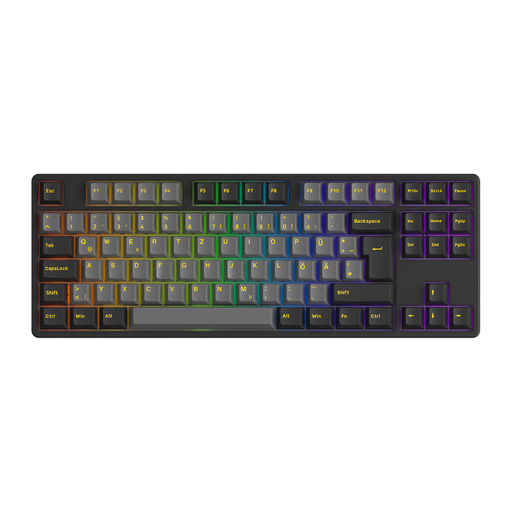
The German layout and macro function make this a good fit if you want to use development commands repeatedly.
The specifications list hot-swap functionality, Akko V3 Pro Cream Yellow switches and Akko Macro V1.0.
 No image available
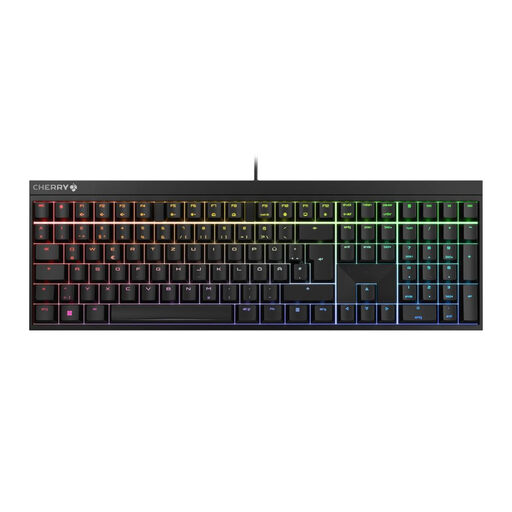
The full-size design and German layout make this an option if you prefer a familiar setup for writing and testing.
The specifications list 110 keys, a USB-A cable, multimedia function keys and CHERRY MX2A Red switches.
 No image available
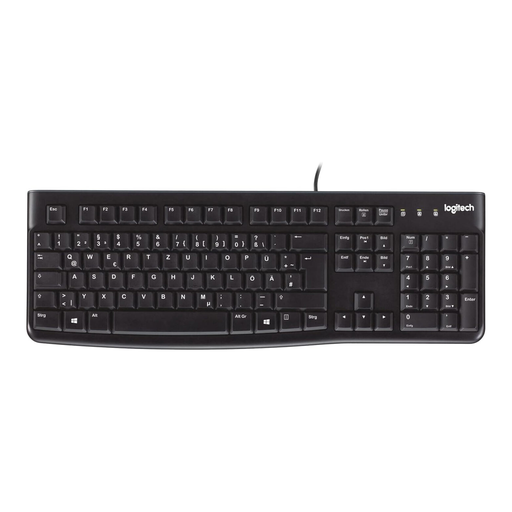
The familiar full-size layout is an option for writing and testing on your computer.
The specifications list USB plug-and-play, function keys, a number pad and adjustable tilt legs.
 No image available
The split design and wrist rest are features to consider if you’re mindful of hand position during longer writing sessions.
The specifications list Bluetooth, a USB receiver and adjustable feet. F.A.Z. Kaufkompass notes that this model cannot be used in wired mode.
 No image available
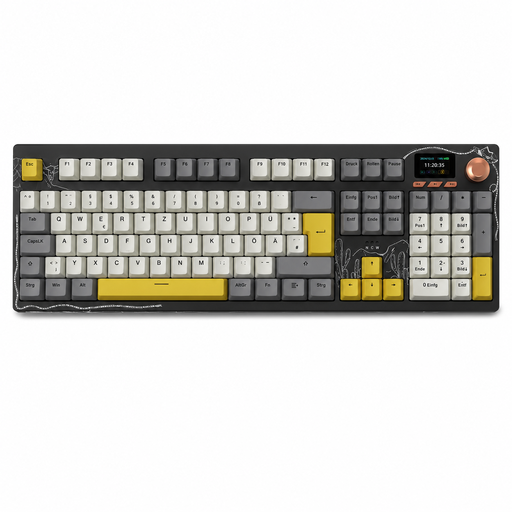
The full-size design with dedicated navigation keys is worth considering if you test keyboard navigation regularly.
The specifications list 104 keys, a function key row, Bluetooth, 2.4 GHz wireless and USB-C. They also list a 10,000 mAh battery, a 1.14-inch TFT colour display and hot-swap functionality.
No. Test the website’s actual features using the keyboard: controls must be reachable and usable, focus must remain visible, and users must not get stuck in an element. The W3C checks for an initial overview are not a full accessibility assessment.
Complete the task without a mouse: reach each control, use it and then move away from it. Look for a visible focus indicator and make sure no element traps keyboard navigation. Passing a quick test alone does not prove full accessibility.
Assign frequently used commands so you can access them reliably, then repeat your usual navigation tests. According to the manufacturer, the arrow and function keys on the Dygma Raise 2 are on pre-installed layers, accessed using thumb keys.
Check the specific version and what’s included, not just the model name. In the manufacturer configuration viewed, German ISO keycaps for the Dygma Raise 2 are listed as an additional set; CHERRY distinguishes between the German layout and those for other countries for the KC 4500 ERGO.
It’s not possible to determine this conclusively without information about the website operator and the website’s purpose. In its 2025 guidance, the Federal Government Commissioner for Matters relating to Persons with Disabilities describes electronic commerce as a service provided at a consumer’s individual request in connection with a consumer contract. It also lists an exemption for micro-enterprises providing services: fewer than ten employees and annual turnover of no more than two million euros. Whether these conditions apply to the specific choir rehearsal website must be checked against its services and operator.