Choir leaders who want quick rehearsal recordings
If you want to record rehearsals without a complicated setup and listen back to sections later, a stereo recorder is worth considering – provided you can find a suitable spot for the whole device.


For a straightforward rehearsal recording, a recorder with built-in stereo microphones is easier to set up. A separate pair of cardioid microphones is a better fit if you can position the microphones freely and have suitable inputs and phantom power. Manufacturers’ specifications don’t replace a listening test: in a small booth, try out different positions, as the room and microphone placement affect the balance between voices.
If you want to record rehearsals without a complicated setup and listen back to sections later, a stereo recorder is worth considering – provided you can find a suitable spot for the whole device.
If you want every voice part to remain clear, it’s worth testing suitable microphone positions first. Musikhaus Thomann and Shure highlight the importance of room acoustics and microphone placement when recording choirs.
If you already have suitable recording inputs and want to position the microphones separately from the recording device, consider a separate stereo pair. The connections and power supply need to be compatible throughout the signal chain.
A good fit if: you want a quick, simple setup and have a suitable spot for the entire device.
Trade-off: You can’t position the microphone capsules separately from the recorder.
A good fit if: you want to try X/Y and A/B on the same device; Tascam lists both configurations for the DR-07XP.
Trade-off: The microphones remain attached to the recorder. RØDE notes that A/B placement can cause phase issues.
A good fit if: you can position the microphones freely and already have, or are planning to get, suitable recording equipment.
Trade-off: Allow for additional connections, phantom power, cables and mounting; the freedom to choose the position means a more involved setup.
| Priority | What to check before buying | Who is this important to? |
|---|---|---|
| Balance between voices and room sound | Try several possible locations; listen out for room noise and noise from ventilation or heating. | If I want to hear every voice part evenly in a small booth, I’ll try several positions. Around 36% of consumers put balance between voices and room sound first. |
| Quick rehearsal setup | Check that there’s a suitable spot for the whole device and see what mounting options it allows. | If my main priorities are recording quickly and keeping the number of separate parts to a minimum, a recorder with built-in microphones could be a good choice. Around 29% of consumers prioritise a quick recording. |
| Stereo image and mono playback | Check the available microphone configurations; listen to test recordings in stereo and mono. | If I want to shape the choir’s spatial image, I’ll compare the configurations in the actual room. Around 21% of consumers prioritise being able to adjust the stereo image. |
| Connections and complete setup | With a separate pair, check for two suitable inputs and the required phantom power. | Before choosing a separate pair, I want to make sure the recorder or interface and accessories are compatible. Around 14% of consumers mainly focus on having a complete, compatible setup. |
Room sound and microphone placement affect a choir recording. Changing the model won’t automatically solve a placement problem.
Before choosing your equipment, try several possible positions and listen out for distracting room noise.
A pair such as the RØDE M5 has XLR outputs and, according to the manufacturer, requires P24 or P48 phantom power. The microphones alone can’t record your rehearsal.
Check the entire signal chain, the compatible inputs and what’s included in the specific offer.
Depending on the equipment you already have, you may also need a recorder or interface, cables and mounting accessories.
RØDE describes A/B as a way to create a potentially wider image, but also notes that spaced microphones can cause phase issues.
Compare X/Y and A/B with short recordings in the actual room, and check the result in mono too.
The H1essential is a compact recorder with built-in X/Y microphones for straightforward rehearsal recordings.
The DR-07XP combines built-in stereo microphones with a choice of X/Y or A/B configurations.
The M5 Matched Pair is a separate pair of small-diaphragm cardioid microphones; RØDE lists choirs as one possible use.
The sE7 Matched Pair is another separate small-diaphragm option, which the manufacturer also recommends for choirs.
The KM 184 is a small-diaphragm cardioid option for a carefully planned stereo setup.
The products below include portable recorders and a microphone set for speech and vocal recordings. Their product specifications don’t prove they’re specifically suited to recording a choir evenly in a small booth. Before choosing, check that the design and placement options suit your recording needs.
 No image available
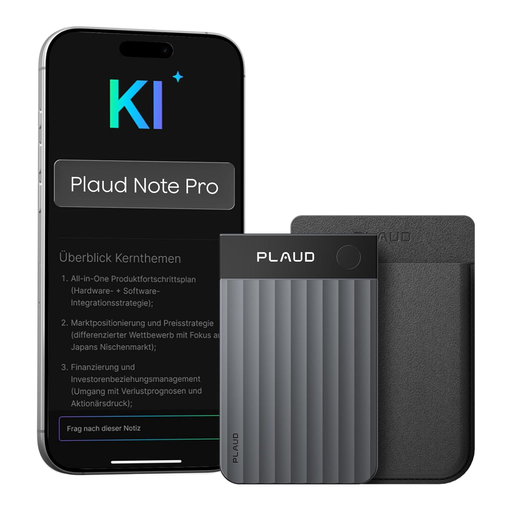
Worth considering if you’re looking for a standalone recorder for capturing a rehearsal; the specifications don’t show that its microphones can be positioned independently in front of different sections of the choir.
64 GB storage, 30 hours of continuous recording and four MEMS microphones.
 No image available
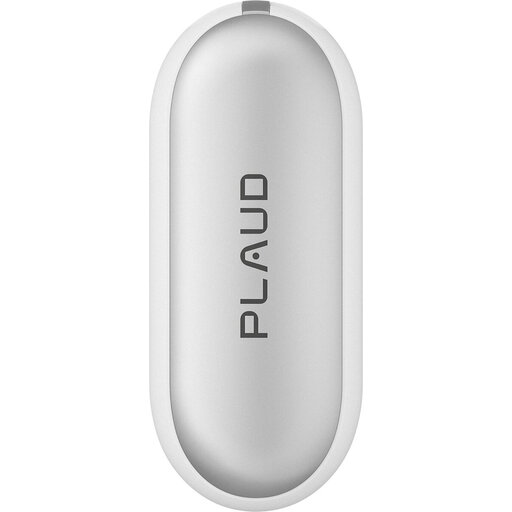
This portable voice recorder could suit you if you’re looking for a device worn on the body; its design doesn’t allow you to position individual microphones independently around the room.
64 GB storage and up to 20 hours of recording time.
 No image available
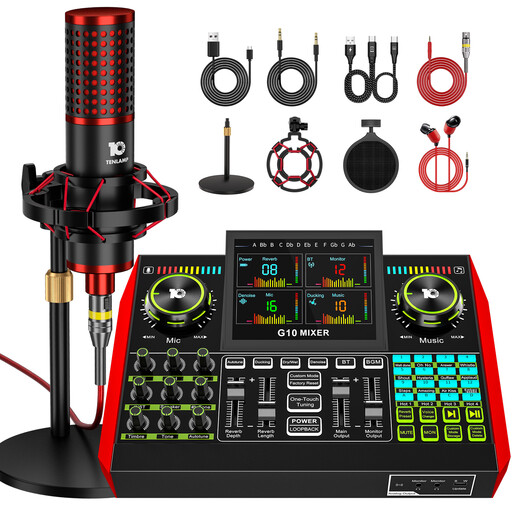
This set is worth considering for a vocal setup if you’re looking for a microphone with a mixer; the specifications don’t describe a freely positionable stereo pair for a choir.
The product name lists an audio mixer and a 3.5 mm condenser microphone.
Start with a position in front of the group where no one row stands out too much, then make short test recordings from several possible spots. Listen for room sound and noise from ventilation or heating; you can’t use this to determine one ideal distance for every booth.
Yes. You’ll need a suitable signal chain for both XLR microphones, as well as P24 or P48 phantom power. Check that your recorder or interface has these features before choosing the pair.
Check whether you already have, or whether the specific offer includes, a recorder, suitable inputs, a stand or stereo bar, cables, a power supply and a storage medium. If you’re using a separate pair of condenser microphones, the recorder must also provide the required phantom power.
There isn’t a single answer that applies in every case. Section 77 of the German Copyright Act (UrhG) gives performing artists rights over recordings of their performances; section 201 of the German Criminal Code (StGB) also covers unauthorised recordings of private spoken words. If you’re processing personal data, you need a legal basis, as explained by the Federal Commissioner for Data Protection and Freedom of Information. Further rights may be needed to use protected music publicly, as GEMA points out. Agree the purpose of the recording, who will take part and how you plan to share it in advance.