
Lieferung heute & morgen

Qualitätsgarantie

Willkommens-Angebote freischalten: KOSTENLOSE Lieferung | Bis zu 80 % RABATT | Kostenlose 30-Tage-JoyPlus-Testphase
App herunterladen
Dry, tight or dull-looking skin can benefit from an additional skincare step. However, not every hydrating face mask is suitable for every skin type. The market offers sheet masks, hydrogel masks, clay masks and overnight face masks with very different formulations and usage instructions.
As Joybuy Product Recommendation Officer, I filter through the key product details and show you what to look for when buying. This is not about blanket claims of effectiveness, but about clear, assessable criteria such as ingredients, wear time, pack size and skin compatibility.
Terms such as anti-ageing face mask, ‘pore refining’ or ‘brightening face mask’ often describe how a product is positioned, but they are not proof of a guaranteed change in the skin. A mask may temporarily hydrate the skin or make it appear smoother. It does not replace a skincare routine tailored to your individual needs.
‘Collagen face mask’ also does not automatically mean that the body’s own collagen will be built up. Check the specific INCI list and distinguish between collagen as a cosmetic ingredient and substantiated claims about its effects.
With traditional sheet masks, the recommended application time is often around 10 to 20 minutes. Leaving a mask on the skin for longer can be uncomfortable if the sheet dries out. Hydrogel masks, such as some Biodance products, are intended for significantly longer use. The key factor is the manufacturer’s guidance on the packaging and product page.
Sensitive skin may react to fragrances, essential oils, alcohol or certain preservatives. A face mask for sensitive skin should therefore be tested on a small area before the first full application. If the skin is irritated or damaged, or if you have an existing skin condition, stop using the mask.
Look for ingredients such as glycerin, hyaluronic acid, panthenol, betaine or ceramides. Glycerin and hyaluronic acid are often used to help bind water in the upper layers of the skin. Ceramides, squalane and certain plant oils can complement a richer skincare routine.
For dry skin, it makes sense to combine hydration with follow-up care. After using a sheet or hydrogel mask, a light cream can help maintain the skin’s comfortable feel. A mask alone does not necessarily replace the rest of your skincare routine.
Single masks are suitable if you want to try a formulation first. Packs of ten are more practical for regular use. Larger packs, such as 30 or 40 sheet masks, can reduce the cost per application, but require careful storage. Reseal resealable packaging after each use and check the shelf life and batch information on the product.
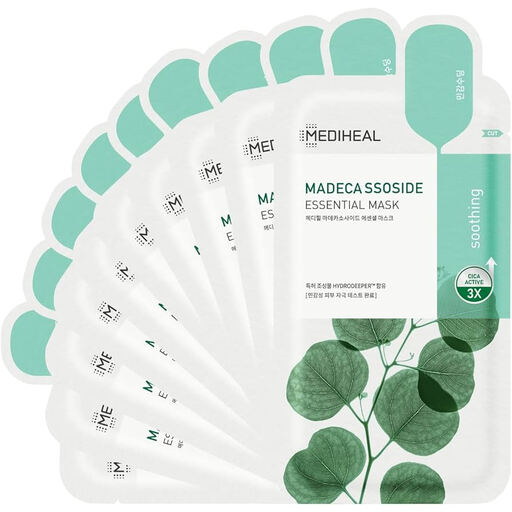
Why this product suits this profile: Ten individually packaged masks make it easy to plan your routine without committing to a large quantity initially. According to the listed ingredients, it contains Centella asiatica, madecassoside, panthenol and sodium hyaluronate.
The recommended application time is 15 to 20 minutes. This helps prevent the sheet from being left on the face until it dries out.
Bamboo fibre, ten masks per pack and a focus on soothing care stated on the product page.
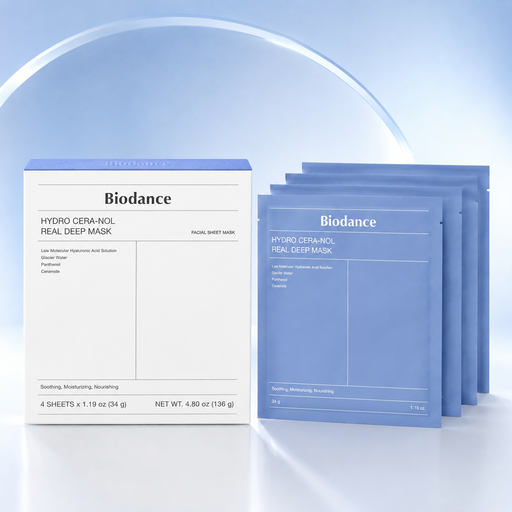
Why this product suits this profile: According to the product information, this hydrogel mask contains panthenol, ceramides and various forms of hyaluronic acid. It is designed for extended use of at least three to four hours.
The long wear time is explicitly stated as part of the usage instructions and should not be treated like that of an ordinary sheet mask.
Hydrogel format, ceramides and the option to use it as an overnight face mask according to the product description.
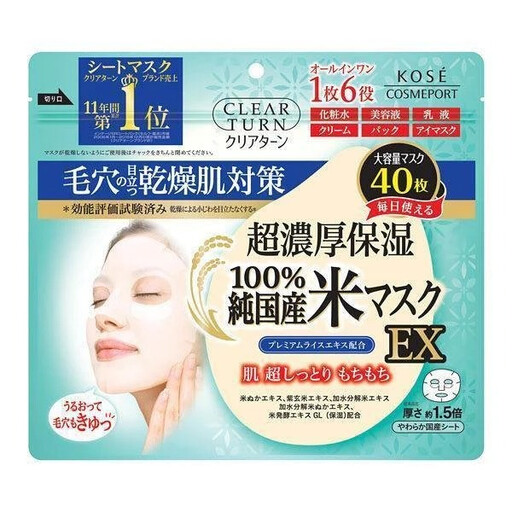
Why this product suits this profile: The pack of 40 sheet masks is aimed at people who want to incorporate simple hydrating care into their regular routine.
The high sheet count makes the cost per application easier to plan. Check the shelf life and packaging seal before buying.
40 sheet masks and a product name referring to rice extract; see the packaging for specific details.
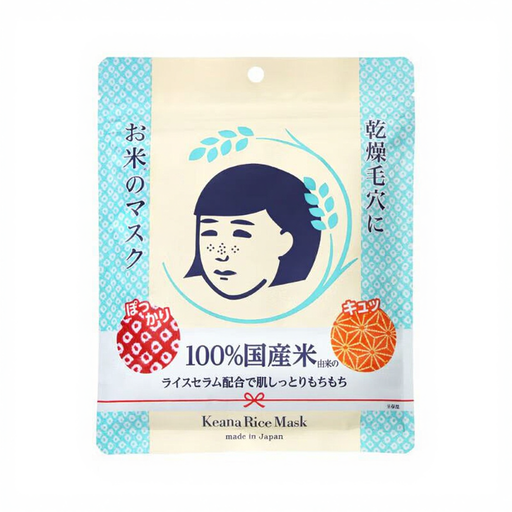
Why this product suits this profile: According to the product information, this Japanese sheet mask contains rice ferment, rice bran oil and glucosyl ceramide. The recommended application time is five to ten minutes.
The short application time reduces the risk of leaving the mask on the skin unnecessarily. A patch test is recommended for sensitive or irritated skin.
Ten sheets, Japanese origin according to the product information and several rice-related ingredients.
We have put together a complete, regularly updated list of products that fully meet these strict selection criteria and the safety regulations applicable in the EU.
A soothing face mask containing centella, panthenol or allantoin may be worth considering for a minimalist skincare routine. People with sensitive skin should check products containing fragrances, alcohol or essential oils particularly carefully. With a clay mask, it is generally best to apply it specifically to oilier areas of the face rather than using it too frequently all over.
This depends on the mask type and the manufacturer’s guidance. Many sheet masks are used once or several times a week. With a rich hydrogel mask, using it less frequently may be sufficient. Pay attention to how your skin reacts and avoid combining several highly active products on the same day.
The country of origin alone does not determine whether a product is compatible with your skin. Check the full ingredients list, particularly for fragrances, alcohol and essential oils. A patch test before first use is advisable. Do not apply a face mask to irritated or damaged skin.
Individually packaged masks should remain sealed until use. For multi-packs, the printed best-before date, batch number and, where applicable, the period-after-opening symbol are the key points of reference. Store the pack in a cool, dry place away from direct sunlight.