
Lieferung heute & morgen

Qualitätsgarantie

Willkommens-Angebote freischalten: KOSTENLOSE Lieferung | Bis zu 80 % RABATT | Kostenlose 30-Tage-JoyPlus-Testphase
App herunterladen
Dark spots, age spots and uneven skin tone can have a range of causes. These include UV exposure, hormonal changes, inflammation after blemishes and the natural ageing process. A cream for dark spots can be part of your daily skincare routine, but it should not be considered a medical treatment.
When shopping, three common marketing pitfalls can lead to the wrong choice:
A cream for hyperpigmentation can contain a range of cosmetic active ingredients. Common examples include:
The full INCI list on the packaging is what matters. Product descriptions can change, while the current packaging shows the relevant ingredients.
A face cream for dark spots should suit your skin:
A cream for dark spots should not be considered in isolation. Your morning routine should include cleansing, skincare and suitable UV protection. Daily sun protection is particularly important when using products with vitamin C derivatives, AHAs or other active ingredients.
Avoid introducing several intensive products at the same time. This makes it easier to tell which products your skin tolerates. Stop using a product if you experience burning, persistent redness, itching or swelling. Do not apply products to broken or severely irritated skin.
The products below vary in their active ingredients, texture, pack size and intended use. This selection is not a medical assessment.
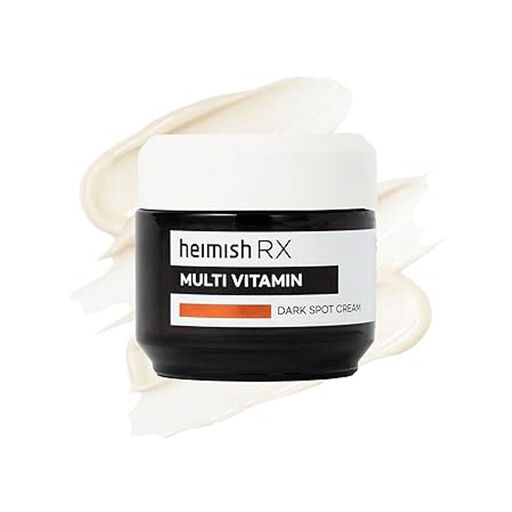
Why it suits this profile: This 50 ml cream combines vitamin C, 5% niacinamide and Kakadu plum extract in a straightforward formula for day and night use.
The active ingredients are clearly listed. As it does not have built-in SPF, you will need to apply additional sun protection in the morning.
5% niacinamide, vitamin C and a fast-absorbing texture, according to the product description.
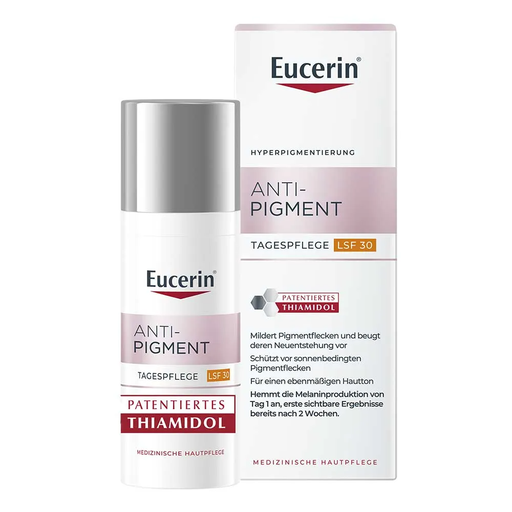
Why it suits this profile: This day cream combines SPF 30, clearly stated on the product, with the brand-specific active ingredient Thiamidol.
UV protection is built into the day cream. For prolonged direct sun exposure, a separate sun protection product may still be a good idea.
SPF 30, plus UVA, UVB and blue light protection according to the product details.
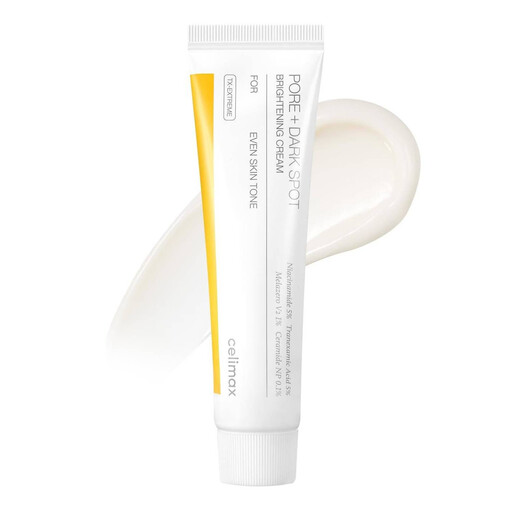
Why it suits this profile: This compact cream is for anyone looking to combine pigmentation care with the appearance of refined-looking pores.
You can use this cream in the morning and evening. As it contains tranexamic acid and niacinamide, it is still best to introduce it gradually into your routine.
Niacinamide, tranexamic acid, ceramides and hyaluronic acid, according to the product description; 35 ml size.
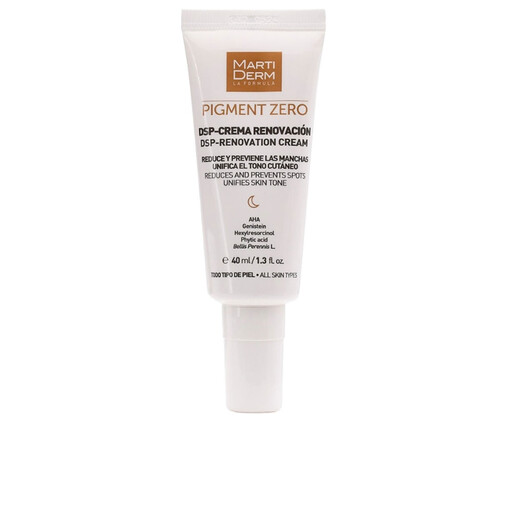
Why it suits this profile: This night cream contains AHAs and is designed for anyone who prefers a targeted evening routine.
Using it in the evening keeps AHA skincare separate from your morning UV protection. If you have sensitive skin, it is best to start slowly.
Glycolic acid and lactic acid, plus hexylresorcinol, according to the product description; 40 ml contents.
Before buying a cream for dark spots, check the following:
We’ve put together a complete, regularly updated list of products that meet these strict selection criteria and fully comply with the safety regulations in force in the EU.
Cosmetic skincare generally needs to be used regularly over several weeks. The timeframe depends on your skin type, the cause of the discolouration, the active ingredient and your daily UV protection. Results stated for individual products will not apply to everyone.
Both groups of active ingredients can be part of the same skincare routine. However, if you have sensitive skin, introduce new products one at a time. If you experience burning or redness, take a break and, if necessary, seek professional advice.
SPF 30 reduces UV exposure when applied correctly and in sufficient amounts. It is an important part of prevention, but it cannot prevent every type of pigmentation change. If you are in the sun for a long time, reapply your protection regularly.