
Lieferung heute & morgen

Qualitätsgarantie

Willkommens-Angebote freischalten: KOSTENLOSE Lieferung | Bis zu 80 % RABATT | Kostenlose 30-Tage-JoyPlus-Testphase
App herunterladen
Folding camping chairs need to meet very different requirements depending on how you plan to use them. Every extra gram matters on a trekking trip, while an adjustable backrest and higher seat may be more important on a balcony or in the garden. If you focus only on claims such as ‘ultra-light’, ‘sturdy’ or ‘comfortable’, it’s easy to overlook crucial details.
Three common buying mistakes are particularly easy to make:
That’s why it’s worth comparing the weight, packed dimensions, frame, seat material and maximum load before buying folding camping chairs.
For backpackers and hikers, a lightweight camping chair with a compact packed size is particularly useful. An ultra-light folding chair should not only weigh very little, but also fit easily into your rucksack or a side pocket.
Two figures are useful for comparison:
A model weighing around 765 g with packed dimensions of 11 × 11 × 36 cm is easier to carry than a folding garden chair weighing several kilograms. For a balcony, campsite or car boot, however, a larger seat and higher backrest may be more suitable.
A camping chair with an aluminium frame often offers a good balance between weight and load capacity. But the material alone isn’t what matters: the design and joints are important too. A triangulated frame can distribute force across several contact points. Rubberised foot pads can provide extra grip on firm ground.
The stated load capacity should be understood as the maximum static load and must not be exceeded. Movement, leaning to one side or putting weight on a single point can put more strain on the frame than sitting still. Use folding camping chairs on level, firm ground, and check that the frame is fully open before each use.
Oxford fabric is used in many portable outdoor chairs because it is designed for outdoor use and is relatively easy to care for. Even so, the material should be dried after rain, getting dirty or extended use. Not every model is suitable for machine washing.
If you’re planning to sit in the garden or at the campsite for several hours, an adjustable garden chair could be a good choice. A folding reclining chair with several backrest positions lets you sit in different ways. For short breaks while trekking, a compact seat without an adjustment mechanism is often more practical, as it weighs less and has fewer moving parts.
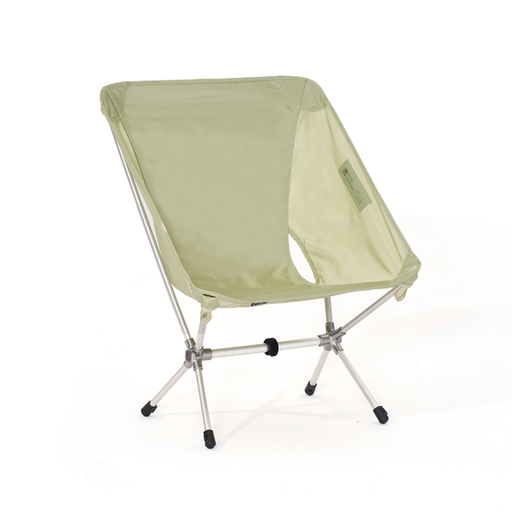
Why this product suits this profile: At around 765 g, it has a low net weight and a compact packed size, making it a good choice for beginners looking for a portable outdoor chair for short hikes, festivals or camping trips.
The weight and packed size are clearly specified. The chair opens fully, while rubber feet and a triangular frame address common concerns about stability and set-up.
Aluminium frame, Oxford fabric, one-handed folding mechanism and a stated static load capacity of around 140 kg.
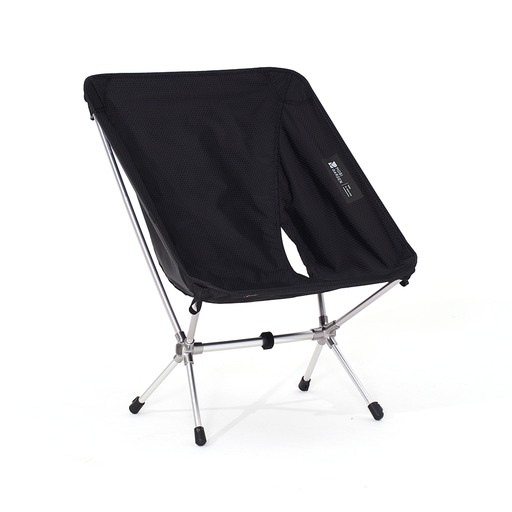
Why this product suits this profile: This model combines a low weight with detailed information about its frame, fabric, foot pads and load capacity. That’s useful for buyers who want to compare the technical specifications carefully before making a purchase.
The specifications distinguish between the dimensions when open, packed size, net weight and static load capacity. This makes it easier to assess how suitable the chair is for carrying and use.
Aluminium alloy frame, hard-wearing Oxford fabric, non-slip rubber feet and a stated static load capacity of around 140 kg.
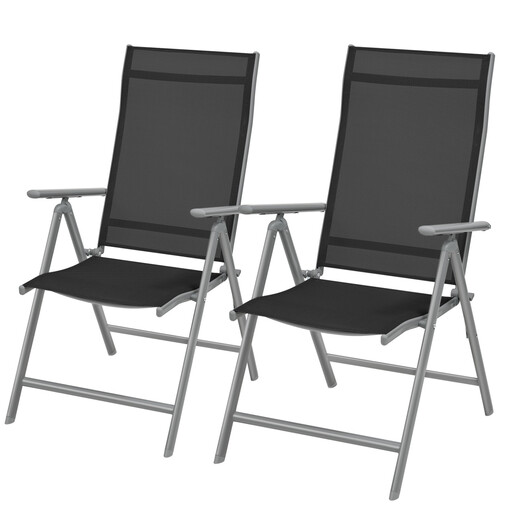
Why this product suits this profile: This set is designed for gardens, balconies and campsites, where two seats and an adjustable backrest are useful. At 4.4 kg per chair, it’s better suited to use with a car, on a patio or at a permanent campsite than for backpacking trips.
The product details clearly state the weight per chair, the set size and the eight backrest positions. This helps you avoid mistaking a heavier garden chair for a trekking chair.
Eight positions from 90° to 135°, aluminium frame, breathable synthetic fabric and a stated load capacity of up to 150 kg per chair.
Even sturdy camping furniture for trekking and the garden needs regular care. After use, remove dust, grass, mud and insects. Clean the frame and plastic parts with a damp cloth. Don’t use harsh cleaning products or machine-wash the chair unless the manufacturer specifically says it’s safe to do so.
After rain, let the frame dry completely before storing it in its carry bag or in the cellar. Storing it in a cool, dry place away from direct sunlight can help protect the materials. Check the joints, seat and feet before each use. A space-saving folding chair should only be used on level, firm ground and must never be loaded beyond its stated limit.
We’ve put together a complete, regularly updated list of products that meet these strict selection criteria and fully comply with the safety regulations in force across the EU.
Open the chair fully and check that all its feet are on firm, level ground at the same time. Don’t sit down until the frame and seat are taut or locked into place. Leaning to the side on the armrests or backrest can increase the risk of tipping.
Their lifespan depends on the materials, how often they’re used, the load they carry and how well they’re cared for. Storing the chair dry, staying within the stated load capacity and protecting it from prolonged exposure to sun or rain can reduce wear. If you notice tears in the fabric, bent tubes or damaged joints, stop using the chair.
Yes, as long as the seat height, seat size and load capacity suit the way you plan to use it. A lightweight trekking chair is handy for short breaks, while an adjustable garden chair may offer greater comfort. For balconies, patios and regular use, packed size and weight are usually less important than the backrest, base and adjustment options.