
Lieferung heute & morgen

Qualitätsgarantie

Willkommens-Angebote freischalten: KOSTENLOSE Lieferung | Bis zu 80 % RABATT | Kostenlose 30-Tage-JoyPlus-Testphase
App herunterladen
Choosing the right men’s running shoes depends on more than weight or eye-catching design. For road running, long-distance training, marathon preparation and changing terrain, fit, the midsole and the outsole are the key considerations. If you focus only on terms such as “Energy Return”, “Ultra Lightweight” or “Stability”, you can easily overlook important details.
Lightweight men’s running shoes can feel comfortable during fast-paced training. However, using less material can also mean less support around the heel or a narrower fit. For long runs, it is therefore essential that the shoe remains stable despite its low weight and does not restrict your feet.
Cushioned running shoes vary in firmness, rebound and construction. A very soft midsole may feel comfortable, but it will not provide every runner with the ride they are looking for. More direct-feeling models are often preferred for speed sessions, while balanced cushioning can be a sensible choice for longer training runs.
When choosing breathable running shoes, do not rely solely on the marketing claim. Check whether the upper is made from open mesh or woven textile, and whether additional TPU layers affect airflow. An airy upper may offer less protection in the rain, while a more heavily protected shoe can feel warmer in mild weather.
The midsole affects how the shoe responds when your foot strikes the ground and rolls forwards. EVA foam is widely used in many training shoes. Multi-layer foam constructions can combine different properties, such as a softer upper layer with a supportive base.
Pay attention to the following:
Technical percentages should be treated as the manufacturer’s own figures. For example, the LI-NING RED HARE 9 PRO models list values for cushioning, energy return, breathability and traction. Such figures cannot be compared directly between different brands or testing methods.
Running shoes with a wide toe box provide more room in the forefoot. This can be useful for runners with wider feet or for longer sessions when feet may swell slightly. However, extra room should not allow the heel to slip.
Practical checks when trying on running shoes:
The Li-Ning YUEYING 6 is described as having a roomier toe box. According to the product information, choosing half a size larger may be sensible for wider feet or thicker socks. This is a general indication, not a universal sizing rule.
For tarmac and surfaced paths, a flat rubber outsole with hard-wearing contact areas is often sufficient. Slip-resistant running shoes for wet paths or light terrain, on the other hand, need a tread that can channel away water and dirt more effectively.
For men’s trail running shoes, the following are also important:
A shoe designed for both road and trail is a compromise. If you frequently run in the hills or on technically demanding paths, choose a construction specifically suited to the terrain.
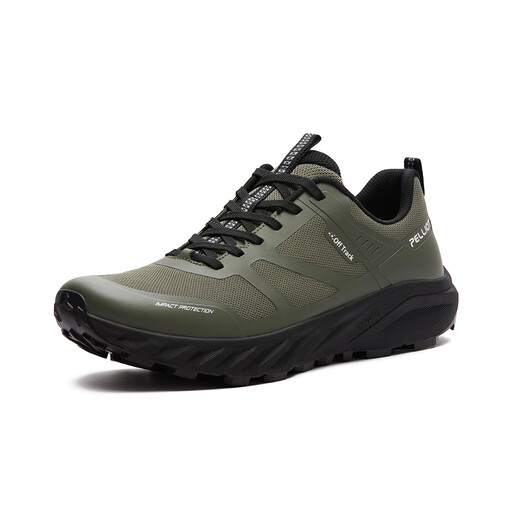
Why this product suits the profile: The combination of sandwich mesh, an EVA midsole and a ROCKYTEC rubber outsole is well suited to runners looking for a versatile shoe for roads and easy terrain.
The product description specifies the materials and offers both a standard and slim fit, rather than relying on a vague promise of comfort.
Lightweight textile upper, highly elastic EVA midsole and lugged rubber outsole for different surfaces.
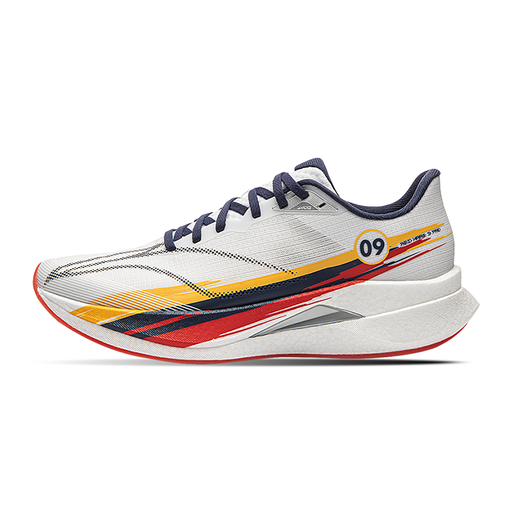
Why this product suits the profile: For regular training and faster sessions, this model offers a multi-layer BOOM midsole, a wider platform and a woven, breathable upper.
The construction combines information about cushioning, platform width, torsional control and outsole tread. This makes it easier to assess what the shoe is designed for.
Wider platform, dual-layer BOOM foam, rocker geometry and GCR rubber outsole according to the product information.
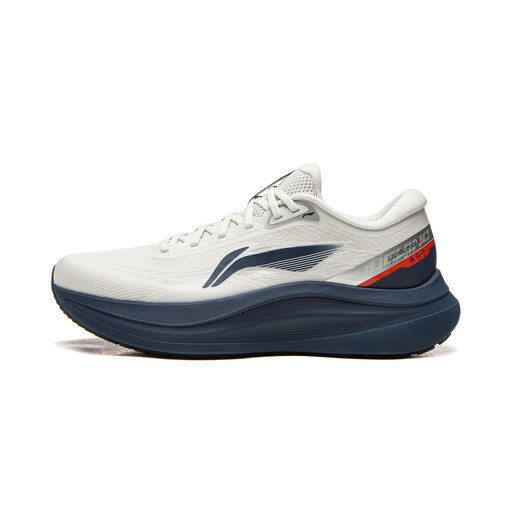
Why this product suits the profile: The combination of a roomier forefoot, full-length Tempo-Bounce midsole and reinforced heel hold is designed for runners who need additional space and stability.
The fit is not described by length alone: the toe box, heel width and PROBAR-LOC support are listed as separate construction features.
Roomier forefoot, padded tongue and heel area, plus zoned rubber traction according to the product description.
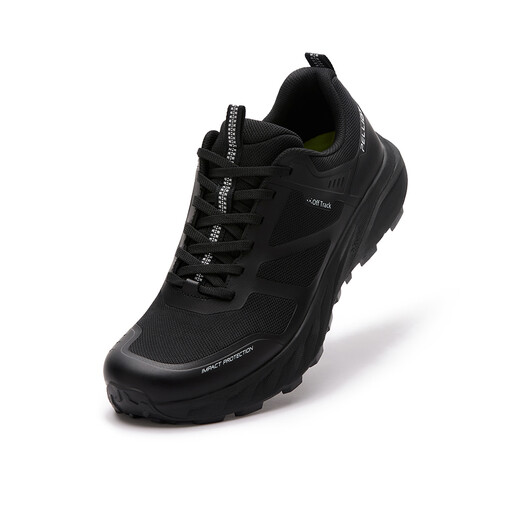
Why this product suits the profile: This model is designed for the transition from surfaced paths to more demanding ground and offers a choice of standard and slim fits.
The product information distinguishes between different foot shapes and mentions ROCKYTEC rubber, as well as intended use on wet rock, mud and sand.
Breathable mesh, flexible EVA midsole and abrasion-resistant outsole for changing surfaces.
We have put together a complete, regularly updated list of products that fully meet these strict selection criteria and the safety regulations applicable in the EU.
The lifespan of men’s running shoes depends on your body weight, running style, surface, training volume and how well you care for them. Check the tread, visible cracks in the foam and any persistent uneven wear regularly. After wet runs, allow the shoes to dry at room temperature. Direct heat can damage materials and adhesives.
Many models should not be cleaned in a washing machine. For the Li-Ning shoes mentioned above, cleaning with a damp cloth is recommended. For certain models, PELLIOT recommends hand-washing with mild soap and cold water. The care instructions on the relevant product page should always take priority.
There should be some space between your longest toe and the front of the shoe when standing, usually around a thumb’s width. A roomier toe box can be useful for long runs or wider feet. It is equally important that the midfoot and heel remain secure.
There is no fixed mileage that applies to every model. Check the condition of the midsole and outsole regularly. If the cushioning has noticeably deteriorated, the tread is heavily worn or the shoe collapses to one side, it is worth comparing it with a new pair.
That depends on the construction and your personal running preferences. Lightweight racing models may be suitable for faster sessions, but they are not automatically the right choice for every daily run. For regular training, men’s training shoes often offer a more balanced compromise between durability, cushioning and comfort.