
Lieferung heute & morgen

Qualitätsgarantie

Willkommens-Angebote freischalten: KOSTENLOSE Lieferung | Bis zu 80 % RABATT | Kostenlose 30-Tage-JoyPlus-Testphase
App herunterladen
Whether you’re shopping for a birthday, Christmas or a holiday activity, toys for children should suit their age, interests and available play space. Parents, grandparents and other gift buyers are faced with a huge choice of educational toys, building sets, children’s puzzles, role-play toys and outdoor toys.
Marketing claims alone aren’t enough to help you decide. Some products look appealing because they have lots of features, but end up unused in everyday life. Others contain small parts, need extra accessories or are too challenging for the age group they’re designed for. The following tips can help you avoid buying the wrong thing.
“From 3 years” isn’t just a recommendation for enjoyable play; it may also relate to safety. Small parts, magnets, button batteries or tools can pose a risk to younger children. Toys designed for older children can also be overwhelming if they require assembly, app controls or reading skills.
So, check:
Lights, sounds, cameras, apps and remote controls can be appealing. But they don’t automatically offer varied ways to play. A children’s building set with several models, or a role-play toy with an open-ended concept, may get more use over time than a product with just one fixed sequence of activities.
Check whether the child can use the toy in different ways: on their own, with siblings or as part of a family activity.
Batteries aren’t always included with electronic toys. Some building sets need a rechargeable battery, while others work without a power supply. Storage matters too: without a box or organiser, lots of individual pieces can quickly go missing.
Before you buy, check:
For toys from age 3, read the warnings particularly carefully. A magnetic building set can offer creative construction possibilities, but it must be kept away from children who are too young to handle small parts safely. Adult supervision is advisable or specifically required for science kits, electronic sets and products with tools.
For children aged around 3 to 5, simple building, sorting and role-play activities are a good choice. Between 6 and 8, they may enjoy simple STEM toys, detective games or more complex puzzles. From around age 8, longer stories, multi-part riddles and more challenging building sets may be suitable.
When choosing plastic toys, look for rounded edges, sturdy connections and clear care instructions. Wooden toys should have smooth surfaces and sturdy parts. Check the casing, battery compartment and controls of electronic products regularly for damage.
Safety information such as “not suitable for children under 36 months”, warnings about choking hazards or instructions for direct supervision should never be ignored. For water toys, remember that they’re not lifesaving devices and should only be used in suitable conditions and under supervision.
A suitable gift of a toy for a child takes everyday life into account, as well as the child’s age. Compact puzzles, magnetic figures or a toy toolbox with a storage box are practical choices for smaller homes. Walkie-talkies, a children’s metal detector or other outdoor toys could be a good fit for the garden, camping trips and days out.
When choosing a gift for boys and girls, interests and play styles matter more than gender stereotypes. Dinosaur toys, space sets, creative magnetic building pieces and detective games can appeal to all kinds of children.
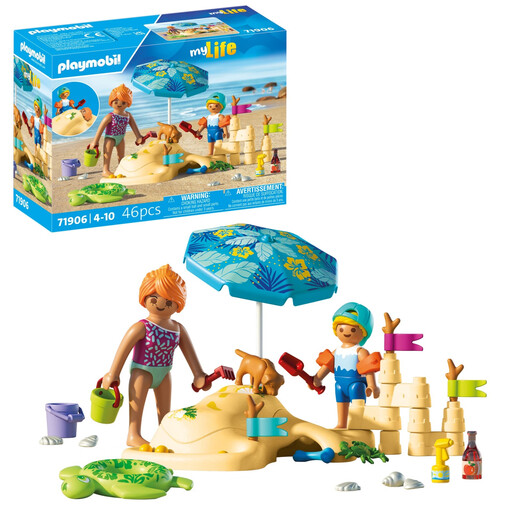
Why this product suits this profile: According to the product information, this set is for children aged 4 and over and includes 46 pieces for beach scenes and role play. It doesn’t need batteries and is ready to play with straight away.
The contents and age limit are clearly specified. There are no ongoing battery costs, although small accessories still require supervision.
Hands-on role play, 46 pieces and washable components, according to the product description.
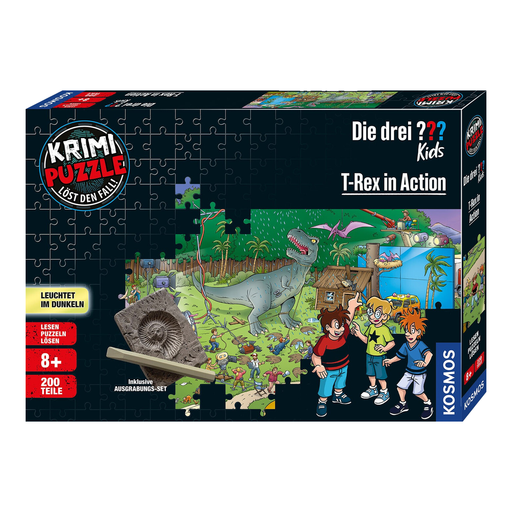
Why this product suits this profile: This set combines a short story, a 200-piece puzzle and a fossil-digging activity. The recommended minimum age is 8.
The steps are clearly explained and involve several activities in sequence, rather than relying on a single feature.
A 200-piece puzzle, a reading story and an excavation activity; no batteries required.

Why this product suits this profile: For children aged 6 and over, this building set offers 604 pieces and five possible models. It’s designed for children who want to combine building, technology and digital controls.
Several building options and control methods mean play isn’t limited to a single pattern. Bear in mind the stated battery life of around 15 minutes before you buy.
Five models, 604 pieces, remote control and app control with a programming mode, according to the product description.
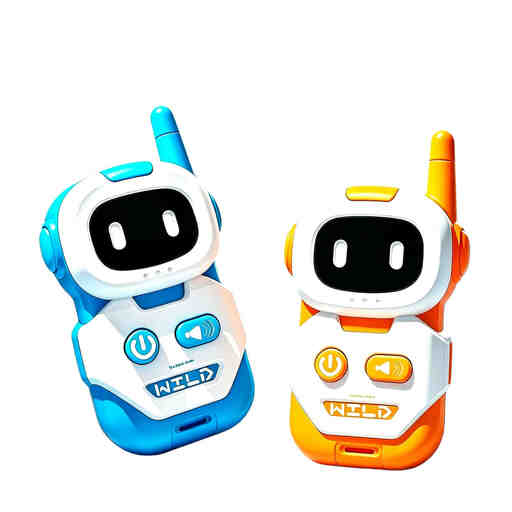
Why this product suits this profile: This set of two is designed for use in the garden, on camping trips and on days out together. According to the product information, the communication range can reach around 300 metres in open areas.
The range is clearly stated as depending on the terrain, weather and obstacles. Batteries aren’t included.
Two devices, carry straps, a one-button call function and a stated play time of around 2 to 3 hours.
We’ve put together a complete, regularly updated list of products that meet these strict selection criteria and fully comply with the safety regulations in force in the EU.
Depending on the child’s interests, there are plenty of other options to consider. A dinosaur toy could be a figure, a pull-back car or a puzzle. A creative toy such as a magnetic monster set encourages children to mix and match and make up stories. Children interested in science might enjoy an electronics experiment kit for ages 6 and over or a space building set.
If the toy will be used often, it should be easy to clean and store away with all its parts. For siblings and family activities, sets with several figures, vehicles or play roles are often more practical than single toys.
Age-appropriate puzzles, simple building sets, role-play toys and hands-on space or dinosaur sets are all suitable. Look for large parts that are easy to hold, clear age guidance and simple instructions for play. Adult supervision is needed when toys include magnets, small parts or tools.
How long a toy lasts depends on its materials, construction, storage and the child’s interest in it. Sets with several building options or open-ended role play can stay interesting for longer. Electronic products need regular checks of their cables, battery compartment, battery and casing. Damaged parts should no longer be used.
Many hands-on puzzle, role-play and construction toys have no ongoing costs beyond the purchase price. Electronic educational toys may need batteries, charging time or an app. Before you buy, check whether batteries are included, which type is needed and whether the battery is replaceable.