Households with lots of washing up after dinner
If you want to wash plates, bowls, cutlery and sometimes pans together after eating, the basket layout and space for bulky items matter just as much as the stated place-setting capacity.


First, decide which appliance width and installation type will suit your kitchen, and how much washing up you usually have after eating together. Germany’s Federal Environment Agency recommends a 60 cm appliance for households of two or more, provided it is regularly run with a full load; if kitchen space is limited, a 45 cm model may be worth considering. Then compare the basket layout and the energy label figures for consumption and programme duration. These figures apply to the Eco programme and cannot automatically be applied to quick programmes.
If you want to wash plates, bowls, cutlery and sometimes pans together after eating, the basket layout and space for bulky items matter just as much as the stated place-setting capacity.
Start by measuring the space available, then check which width and appliance type will actually fit. A 45 cm model may be an option when space is tight; consider whether your usual dinner dishes will fit inside.
If you use the kitchen together during or after dinner, compare the stated noise emissions and the duration of the programme you need, as well as the capacity.
First, check the available space and installation type. Then compare suitable appliances to see how well their baskets and programmes work with your dishes and evening routine.
| Priority | What to look for when buying | Who it matters most to |
|---|---|---|
| Space for dinner dishes | Check the place-setting capacity and basket layout against your plates, bowls and pans; look for adjustable baskets and consider the cutlery arrangement. | If I want to load as much washing up as possible together after dinner, I check whether my larger items will fit in the baskets too. Around 36% of consumers prioritise space for their dishes. |
| Fit and appliance type | Measure the width, height and depth; choose a freestanding, under-counter or integrated model to suit the available space. | When space is limited, I measure the area carefully and check which appliance type will fit there. Around 29% of consumers prioritise finding the right fit. |
| Running costs | Compare suitable size categories using kWh per 100 Eco cycles, litres per Eco cycle and Eco programme duration. | If the machine is used regularly, I want to take its stated electricity and water consumption into account. Around 21% of consumers place particular importance on low running costs. |
| Noise and timing in the evening | Check the specific model’s noise emissions in dB(A), Eco programme duration and whether it has a quick or night programme. | In an open-plan kitchen, I check how loud the appliance is stated to be and when I’ll need the clean dishes again. Around 14% of consumers prioritise quiet operation and flexible timing. |
The stated capacity alone doesn’t tell you whether tall plates, bowls and pans will all fit in the baskets together. Basket height and adjustability also make a difference.
Picture your usual evening load in the specific model and check that the plate height and cutlery arrangement work with its interior.
If bulky items won’t fit together, you may need to run an extra wash cycle.
The EU energy label gives consumption and duration figures for the Eco programme. These figures don’t automatically describe a quick or intensive programme.
The European Commission and consumer advice centre use Eco figures as a basis for comparison. If you often want to wash dishes quickly, check the duration and consumption of your preferred programme separately.
The right width depends both on the space available and on how much washing up you regularly have. A narrower design doesn’t automatically mean lower consumption per wash cycle.
First, check the available width and your typical load. Then compare the energy label figures for the appliances that could suit your needs.
Installation, connection and removal of your old appliance may be separate services; energy label figures, meanwhile, relate to the appliance’s running consumption.
Before ordering, check exactly which services are included and compare consumption separately. Depending on the offer, connection or installation services may cost extra.
Once it’s installed, the appliance will still use electricity and water when you run it.
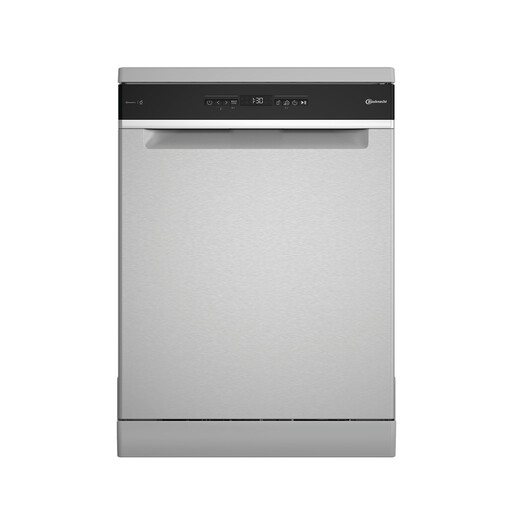
The documented BDFN26430W model is a freestanding 60 cm dishwasher, suited to a larger evening load.
The documented B0U D641A X model is an under-counter appliance for a kitchen with a suitable installation space and a need for flexible loading.
The documented freestanding G 5740 SC SL in Brilliant White has a 45 cm design for kitchens with limited width.
This selection includes freestanding 60 cm appliances, as well as under-counter and fully integrated models for kitchens with suitable installation space.
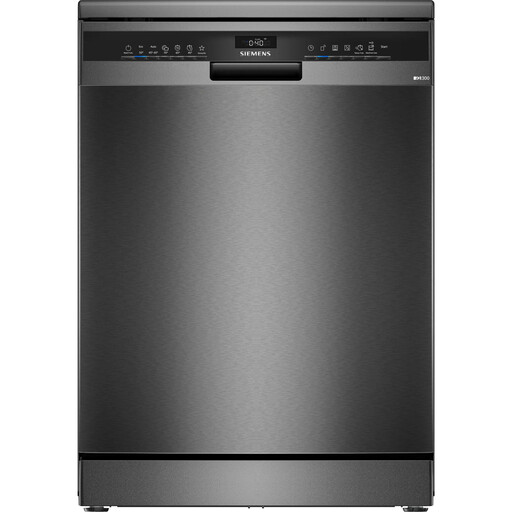 No image available
The stated capacity gives you an idea of how much you can wash in one evening load; the height-adjustable upper basket and cutlery drawer are listed as loading options.
Siemens lists 14 place settings, 42 dB(A), energy efficiency class B, 65 kWh per 100 cycles and 9.0 litres per cycle.
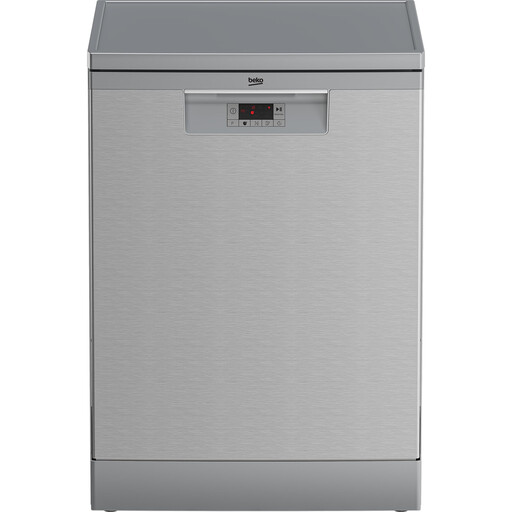 No image available
The stated capacity gives you an idea of how much you can fit in a larger load; the height-adjustable upper basket and cutlery drawer offer the described loading options.
Beko lists 14 place settings, 44 dB, energy efficiency class C and 75 kWh per 100 cycles.
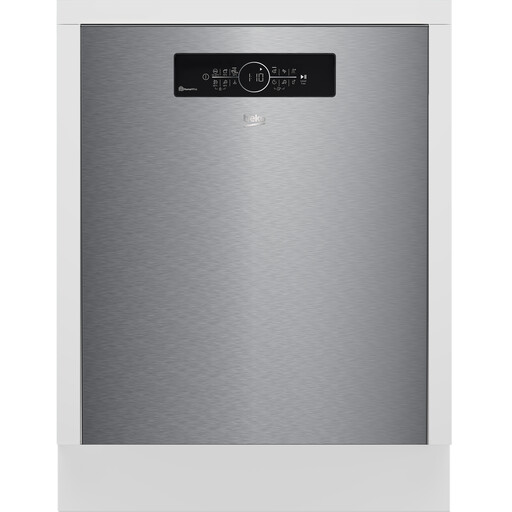 No image available
This under-counter model may suit a kitchen with a suitable installation space; the height-adjustable upper basket and flexible basket sections are described as loading options.
Beko lists energy efficiency class A, 54 kWh per 100 cycles, 9.5 litres per cycle and 42 dB(A). The specified niche requires at least 60 cm width, 57 cm depth and 82 cm height.
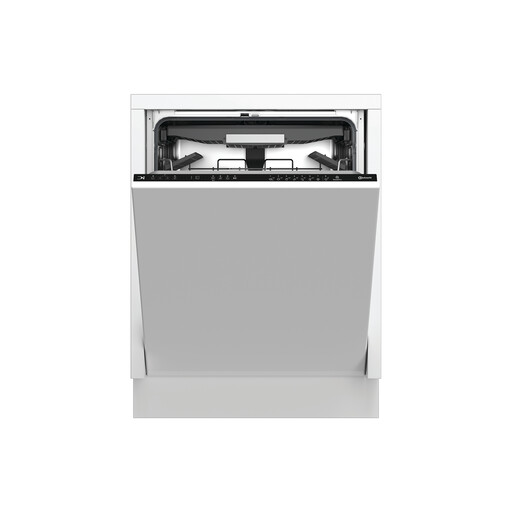 No image available
Bauknecht lists 14 place settings, a cutlery drawer and a height-adjustable upper basket for a shared load. The fully integrated design requires a suitable installation space.
Bauknecht lists energy efficiency class A, 54 kWh per 100 Eco cycles, 41 dB(A) and an Eco programme duration of 4 hours 50 minutes. The stated niche dimensions are 820–900 × 600–608 × 555 mm.
 No image available
The stated features for an evening load include 14 place settings and a height-adjustable upper basket; a cutlery drawer and folding basket sections are also listed as loading options.
Bauknecht lists 41 dB(A), energy efficiency class B, 64 kWh per 100 cycles and 8.9 litres per Eco cycle.
No. The place-setting figure describes the stated capacity, not whether every plate will fit. Check the basket height and adjustment options on the specific appliance; Beko says the BDFN26430W can accommodate plates up to 30 cm in diameter when the basket is positioned accordingly.
Measure the space available and check the appliance dimensions and type. Also make sure the water inlet, drain and power connection are suitable for the location; the specific connection requirements are given in the selected model’s instructions.
For appliances of a suitable size, compare the figures on the EU energy label, including electricity consumption per 100 Eco cycles, water consumption per cycle and Eco programme duration. The European Commission describes the energy label for household dishwashers as using a scale from A to G; Eco figures don’t automatically apply to other programmes.
No. Germany’s Federal Environment Agency recommends not pre-rinsing dishes, particularly with warm water. Remove any large food scraps and load the dishes so the water jets can reach their surfaces.
For a fault, statutory rights against the retailer are separate from any voluntary manufacturer’s guarantee. The consumer advice centre states that the statutory warranty generally lasts for two years from delivery; the details of the fault and purchase determine the specific claim.