Households with daily loads of plates
If you prepare meals on weekdays, plate fit, basket layout and the amount of other crockery you use all matter. Choose based on the load you actually have, not just the number of programmes.


First, choose a design with baskets that fit your plates and a capacity that makes sense for the amount of washing-up you generate. A 60 cm model could be a good choice for regular large loads, while a 45 cm model may suit a smaller kitchen and fewer dishes. Short programmes, plastic drying and Eco consumption are separate considerations, so check the specifications of the model you’re considering.
If you prepare meals on weekdays, plate fit, basket layout and the amount of other crockery you use all matter. Choose based on the load you actually have, not just the number of programmes.
If space is tight and you have fewer place settings to wash, a slimline model may fit more easily into your kitchen routine. Still, check that your largest plates fit in the baskets and that the design suits your available space or niche.
If you wash dishwasher-safe plastic containers and want them to come out as dry as possible, check the drying method of the specific model and make sure the containers are approved for dishwasher use.
Measure your plates and the available space first. Then check the model’s capacity, programme times and any energy or drying features that matter to you.
| Consideration | What to check before buying | Who is it most important to? |
|---|---|---|
| Plates fit and are clean in time | Measure your largest plate and check the maximum diameter and basket adjustment options for the model. Consider programme duration separately from Eco figures. | If you need your plates back before preparing lunch again, the wash cycle is particularly important. Around 27% of consumers put this first. |
| Available space and design | Check the 45 or 60 cm width, as well as the niche, door opening and required furniture door. Check the water, drainage and electrical connections against the installation instructions. | If there’s little room in your kitchen for an appliance, finding the right freestanding or built-in option matters more than extra capacity. Around 20% of consumers prioritise available space. |
| Space for plates and cookware | Use the place-setting capacity as an initial guide, then check the basket layout, plate holders and adjustable upper basket against your own crockery. | If you regularly need to fit bowls and pans as well as plates, you’ll need a capacity that suits the whole load. Around 20% of consumers prioritise larger loads of crockery. |
| Energy and water consumption | Compare kWh per 100 Eco cycles, litres per Eco cycle, Eco duration and noise level on the EU label. These figures relate to the Eco programme. | If you care more about the cost of running the Eco programme than short cycles or specialist drying, focus on the stated consumption figures. Around 20% of consumers prioritise low running costs. |
| Drying plastic containers | Check that your lunch boxes are suitable for dishwasher use and look at the drying method of the specific model. Consider the manufacturer’s drying claims in the context of the conditions stated. | If you wash dishwasher-safe plastic lunch boxes and want them to come out as dry as possible, pay particular attention to drying. Around 13% of consumers put this first. |
The EU energy label shows, among other things, consumption and programme duration for Eco. You can’t apply these figures to quick programmes unless you have the relevant data for the model.
Even if the overall width is right, plate diameter and basket position can determine whether your everyday plates will fit.
Measure your largest plates and compare the dimensions with the interior specifications for the model.
A basket layout that doesn’t suit your crockery can waste usable space or make installation more difficult.
The consumption and cycle-time figures on the EU label relate to Eco and don’t automatically describe a quick cycle.
Compare Eco figures between models, and also consider which programmes you’re likely to use day to day.
Your statutory rights against the seller are separate from a voluntary manufacturer’s guarantee, which is subject to its own terms and conditions.
Check the seller, guarantee terms and any installation service offered separately. The European Union explains that statutory rights apply to your contract with the seller.
Bosch offers 45 cm-wide freestanding dishwashers as well as other designs. PerfectDry with Zeolith is a feature of selected models, not the entire brand range.
According to Siemens, the fully integrated 60 cm SN87TX00CE combines Zeolith drying with flexible baskets.
The freestanding 60 cm BDFN26430W is designed for larger loads of plates and everyday crockery.
The fully integrated 45 cm G 5790 SCVi SL is designed for kitchens with a suitable slimline built-in niche.
The freestanding 60 cm FFB5361XZW has an adjustable upper basket and AirDry.
The selection includes a countertop model, slimline 45 cm dishwashers, and freestanding or integrated 60 cm models. Before buying, make sure the plate fit, capacity and installation requirements suit your needs.
 No image available
This countertop model could suit smaller washing-up needs if you don’t have room for a larger freestanding or built-in appliance.
37 × 50 cm; integrated 5-litre water tank or tap connection, according to the description; capacity for four place settings and nine wash programmes.
A separately sold adapter may be needed to connect it to a tap.
 No image available
This slimline freestanding design could suit a smaller space if a capacity of nine place settings is right for your household.
45 cm wide; capacity for nine place settings; programmes include Quick and 1 hour. Consumption is listed as 70 kWh per 100 Eco cycles.
 No image available
This 45 cm model could suit a narrow space if a capacity of ten place settings is right for your load.
Capacity for ten place settings; according to the description, plates up to 31 cm fit in the lower basket. The features also include a quick function and energy efficiency class C.
 No image available
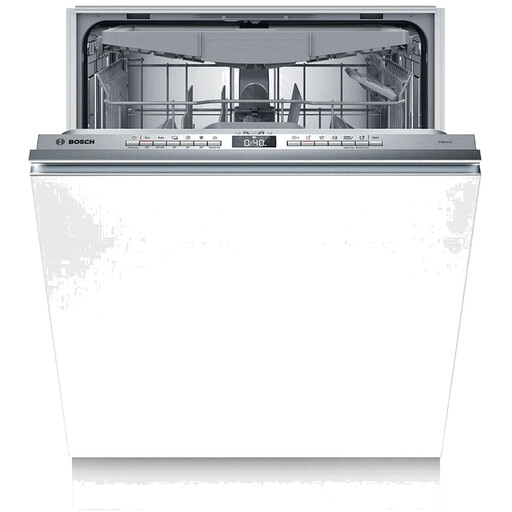
This fully integrated 60 cm model is an option for larger loads if you have a suitable built-in space.
Capacity for 13 place settings; PerfectDry, Quick programme and SpeedPerfect, according to the description; energy efficiency class D.
The furniture door is not included, according to the description.
 No image available
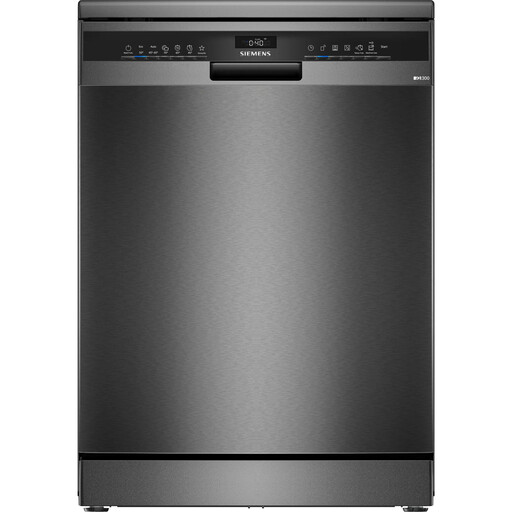
This freestanding 60 cm model could suit larger loads if you have enough space for it.
Capacity for 14 place settings; autoOpen dry, an adjustable upper basket and a cutlery tray, according to the description. The listed features also include varioSpeed Plus.
First, measure your largest plates and check the basket clearance for the specific model. The German Environment Agency recommends a 60 cm model for households of two or more when it’s fully loaded. If you have fewer dishes and limited space, a 45 cm model may be a better fit, although the Agency says it uses more energy per unit than larger designs.
Check the installation or niche dimensions and the requirements for the water inlet, drainage and electricity against the installation instructions for your chosen model. General information about a brand is no substitute for the instructions for the specific appliance.
You can’t tell from the EU energy label, because its consumption and cycle-time figures relate to Eco. If you need the plates sooner, a quick programme may work better for your schedule. Only compare its consumption using relevant data for the specific model.
First, check the loading guidance and care instructions in your model’s manual. Siemens identifies blocked filters, limescale and odours as issues to address when maintaining an appliance regularly; the right steps may vary by model.
Dishwashers are covered by the EU energy label, which uses a scale from A to G. If you buy from a business seller, you also have a statutory guarantee of at least two years from the date you receive the goods, which you can claim against the seller. The European Union distinguishes this right from a voluntary manufacturer’s guarantee.