One-pot meal-prep cooks
If you make portions of polenta in a single pan, one cooking zone may be enough. Look for a hob that lets you turn down the heat easily while stirring; the EDEKA recipe calls for constant stirring as you add the polenta.


For cooking polenta in a saucepan, first check that the pan’s base is compatible with the hob and that you can easily adjust the power while stirring. Portable induction hobs require suitable cookware; a HiLight or cast-iron hotplate may be an alternative if you want to keep using your existing pan. A second cooking zone is most useful if you’re preparing side dishes at the same time. No heat setting is a substitute for stirring and keeping an eye on the polenta.
If you make portions of polenta in a single pan, one cooking zone may be enough. Look for a hob that lets you turn down the heat easily while stirring; the EDEKA recipe calls for constant stirring as you add the polenta.
If you want to keep using your pan, check before buying that its base is suitable for induction and compatible with the hob. A radiant or cast-iron hotplate may be an option if your pan isn’t induction-compatible.
If you’re making polenta and side dishes at the same time, an extra cooking zone can come in handy. Weigh up the space needed for a portable double hotplate against the installation and connection requirements of a built-in hob.
The EDEKA recipe recommends turning down the heat once the polenta has come to the boil and stirring constantly as you add it. Check how easy the controls are to use on the specific appliance; according to Verbraucherzentrale, hobs don’t have an EU energy label like ovens do.
| What you need | What to check before buying | Who it matters most to |
|---|---|---|
| Adjust the heat while stirring | Check how easy the power controls are to use and whether there’s an automatic shut-off function; you’ll still need to keep an eye on the polenta. | If I need to turn down the heat while adding the polenta, I want to be able to adjust the setting easily. Around 36% of consumers prioritise easy-to-control heat. |
| Use an existing pan | Check that the pan’s base is suitable for induction and compare its diameter with the appliance’s permitted pan sizes. | If I want to keep using my existing pan, I need to check it’s compatible before buying. Around 29% of consumers put pan compatibility first. |
| Cook side dishes at the same time | Check how many cooking zones you need, along with the space available or, for built-in appliances, hob compatibility and connection type. | If I want to cook polenta and side dishes at the same time, I need enough usable cooking zones. Around 21% of consumers prioritise cooking several dishes at once. |
| Cleaning and ongoing costs | Check the cleaning instructions and residual heat indicator; don’t use an oven’s energy label to estimate electricity consumption. | If I batch-cook regularly, I want to plan realistically for cleaning and running costs. Around 14% of consumers pay particular attention to care and ongoing costs. |
A smooth ceramic glass surface doesn’t tell you how the hob heats up. ROMMELSBACHER lists the CT 2203/TC as a HiLight radiant hob and the CT 2020/IN as an induction hob.
Check the heating technology and pan requirements for the specific model before choosing it.
Power settings describe the options available on the appliance, not the temperature of the polenta in the pan. The EDEKA recipe calls for stirring and adjusting the heat.
Choose easy-to-use controls, and keep an eye on the polenta as it cooks.
According to the manufacturer, the Bosch NXX675CB5E needs a compatible built-in oven and is supplied without a plug. It’s therefore not the same as a freestanding hotplate.
Before choosing a model, check its cut-out dimensions, oven compatibility and connection type.
Bacteria can multiply if food isn’t kept cold enough. The German Federal Institute for Risk Assessment recommends storing leftovers in the fridge and eating them within two to three days.
Chill portions promptly, and make sure they’ll stay sufficiently cold during transport until you’re ready to eat.
The portable Touch 2000 single induction hob is a documented example of a one-zone hob.
The CT 2020/IN and CT 2203/TC use different heating technologies in portable single hobs.
The KP 1091 cast-iron hotplate and the portable DK 1031 double induction hob are designed for different cooking needs.
The NXX675CB5E is an example of a built-in induction hob.
The Joybuy products below include both single hotplates and built-in hobs. For each model, check that its design, pan requirements and cooking setup suit your kitchen.
 No image available
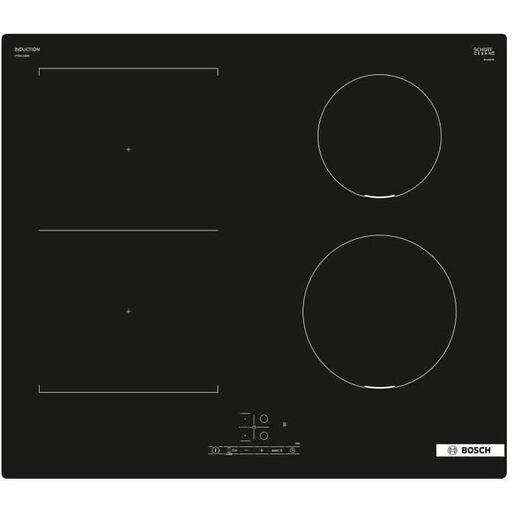
If you want to use several pans at once in a fitted kitchen, this built-in induction hob may be worth considering.
Requires induction-compatible cookware with a magnetic base; installation by a qualified professional is specified.
 No image available
If you want to prepare polenta and side dishes at the same time, four cooking zones are a useful feature to consider when choosing a hob.
The product name lists 60 cm, 6.900 W, four cooking zones and a timer. Induction-compatible cookware with a magnetic base is required; installation by a qualified electrician is specified.
 No image available
If one cooking zone is enough and you don’t need induction, this model is worth considering as a straightforward hotplate.
The product details list an 18 cm heating ring and 1.500 W, as well as stepless temperature control. Let the hotplate cool completely before cleaning; a flat, stable pan base is recommended.
 No image available
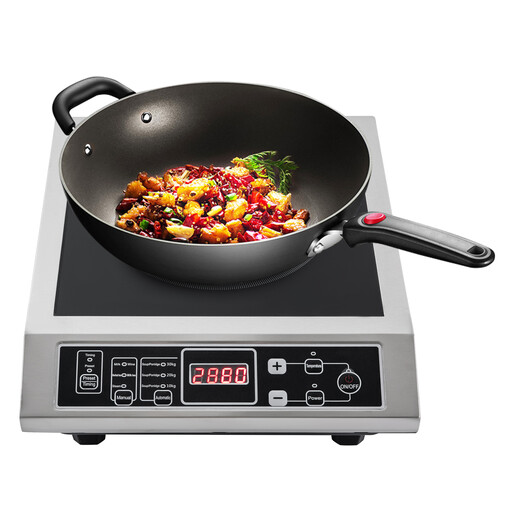
If you’re looking for a single cooking zone for a pan of polenta, you can assess this tabletop model by its design and pan requirements.
The product name lists IGBT technology, eight temperature settings, 800–3.500 W, a timer function and overheating protection. Induction-compatible cookware is required; cast iron and stainless steel are listed as compatible.
 No image available
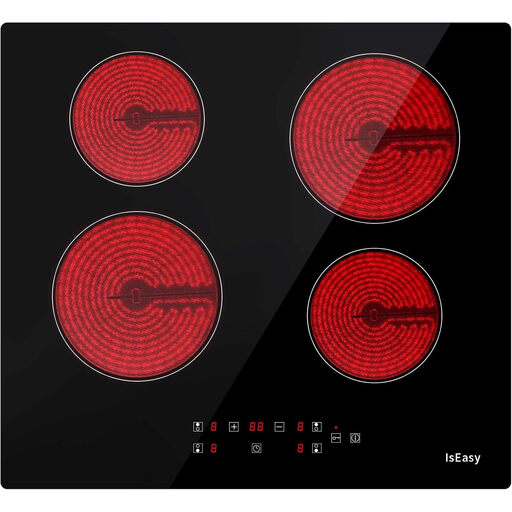
If you’re considering this IsEasy hob, first check that its design and number of cooking zones suit your kitchen and the pan you plan to use for polenta.
Compare the details on heating technology, installation and pan compatibility with your needs before choosing this model.
Yes. Check that your pan is induction-compatible and that its base diameter is within the limits for your chosen hob. ROMMELSBACHER requires a ferromagnetic base for the CT 2020/IN; CASO lists a pan size of 12–24 cm for the Touch 2000.
No. A timer doesn’t replace stirring and keeping an eye on the polenta while it cooks. The EDEKA recipe calls for constant stirring as you add the polenta; a timer with an automatic shut-off can only switch off the hob after the set time.
The German Federal Institute for Risk Assessment recommends storing leftovers in the fridge and eating them within two to three days. Make sure you can keep the polenta properly chilled during transport, too.
Check the cut-out dimensions, oven compatibility and connection type for the specific model. Bosch describes the NXX675CB5E as a hob that only works with a compatible built-in oven and is supplied without a plug, for connection by a qualified electrician. Section 13 of the NAV regulates work on electrical installations; check the requirements for your planned connection in advance.
No. According to Verbraucherzentrale, the EU energy label for a cooker applies to the oven, not the hob. To compare costs, you’ll need comparable consumption figures and your own electricity tariff.