
Lieferung heute & morgen

Qualitätsgarantie

Willkommens-Angebote freischalten: KOSTENLOSE Lieferung | Bis zu 80 % RABATT | Kostenlose 30-Tage-JoyPlus-Testphase
App herunterladen
Games should suit your group, the time you have available and the kind of experience you’re looking for. Yet shoppers often choose based on the title, packaging or familiar characters, overlooking important details. This can lead to disappointing purchases, especially with board games, card games and party games.
A description such as ‘for up to ten players’ sounds flexible. What matters, though, is whether the game works just as well with two, three or four players. Some party games only come into their own with a larger group, while strategy games can be easier to plan with fewer players.
So check:
‘Quick to learn’ doesn’t necessarily mean ‘quick to play’. A game may have easy-to-follow rules but still take several rounds to finish. Short card games and flexible family games are a good choice for an impromptu game night. If you’re planning an evening with plenty of time, longer strategy games are also an option.
Check the actual playing time per game and whether you can stop a round at any point.
The recommended age isn’t just about the content. It often reflects the game’s complexity, reading requirements and whether it contains small pieces. Games for children aged 8 and over can vary considerably in difficulty and interaction. A game rated for ages 16 and over may also require an app, music or online features.
So make sure the age recommendation suits the group you have in mind. For Nintendo Switch games, it’s also worth checking the USK rating, local multiplayer options, online memberships and any controllers you’ll need.
Games with clear rules and straightforward turns are a good fit for families. If you regularly play with friends, you could also try co-operative games, bluffing mechanics or party games that focus on communication. For co-operative games, check whether everyone makes decisions together or one player takes the lead.
For German-language games, make sure the instructions, cards and other game materials are in German. This is particularly important when players need to read tasks, stories or card information during the game. Music games that connect to an app may also require a smartphone, internet access and a compatible streaming account.
Card games take up very little space and are ideal for travel. Larger board games and fabric game boards, on the other hand, need a suitably large, flat surface. Also check:
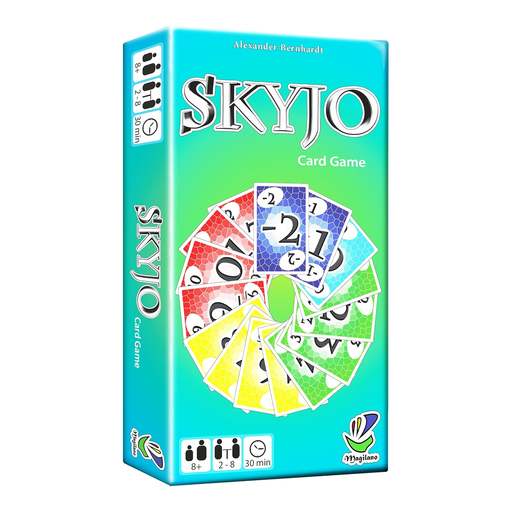
Why it suits this type of player: This card game is designed for 2 to 8 players aged 8 and over, and is easy to bring to the table for a family game with very little preparation.
The stated player count and short, round-based turns make it easier to plan for groups of different sizes.
Compact card box, no batteries required and instructions in several languages, including German.
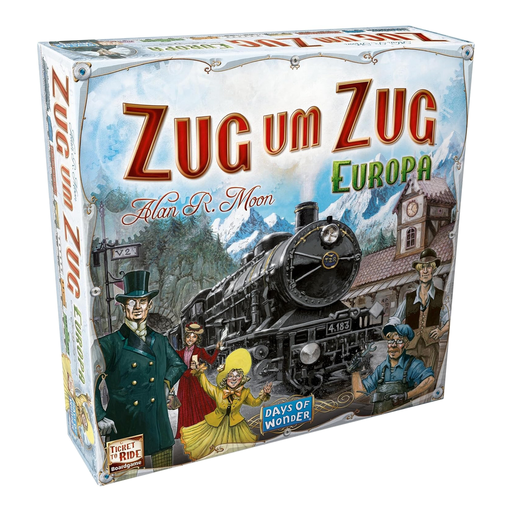
Why it suits this type of player: This board game combines clearly explained route-building mechanics with strategic decisions for 2 to 5 players aged 8 and over.
The player count, age recommendation and stated playing time of around 45 minutes give you clear details to plan around, rather than a vague description of who the game is for.
Game materials made from paper, cardboard and plastic; according to the product details, the set contains 250 pieces.

Why it suits this type of player: This music game is for 2 to 10 players aged 16 and over, making it a great choice for parties, family get-togethers with adults and sociable game nights.
The product details clearly state that you’ll need a smartphone, an app and Spotify. This lets you check any ongoing requirements before you buy.
Over 300 tracks, no batteries needed for the game and a timeline mechanic built around an easy-to-understand concept.
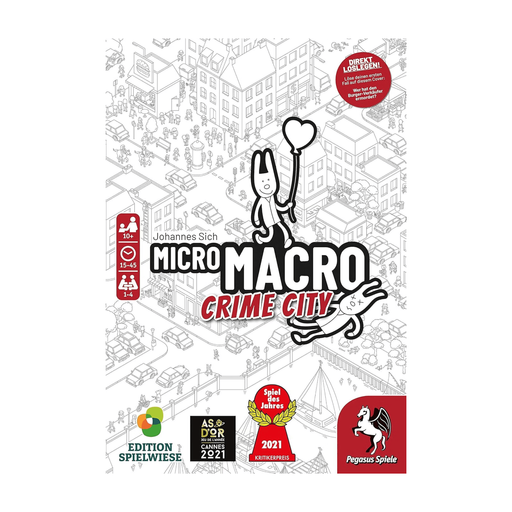
Why it suits this type of player: The co-operative search across a large game map is ideal for groups who enjoy solving cases together and spotting the details.
The product description specifies 16 cases, a 75 × 110 cm fabric map and a recommended age of 10 and over. This makes it easier to work out how much space you’ll need in advance.
Co-operative gameplay, game information in German and a magnifying glass for examining small details on the map.
We’ve put together a comprehensive, regularly updated list of products that meet these strict selection criteria and the safety regulations in force in the EU.
Look for games that specifically state they can be played by two or more people. These include certain card games, tactical board games and co-operative games. Also check whether the gameplay works as intended with two players or whether the game is mainly designed for larger groups.
How long a game lasts depends on its materials, how it’s stored and how often it’s played. Keep cards and game boards clean, dry and out of direct light. An organiser can help prevent small pieces from going missing. If you play often, look for sturdy cards, easy-to-read printing and packaging with a well-designed insert.
Most traditional board and card games don’t involve ongoing costs. Music games may require a smartphone, an app and a streaming account. Nintendo Switch games may need an internet connection, a user account or a paid online membership for online features. Check these requirements against your household’s setup and how you plan to use the game before buying.