
Lieferung heute & morgen

Qualitätsgarantie

Willkommens-Angebote freischalten: KOSTENLOSE Lieferung | Bis zu 80 % RABATT | Kostenlose 30-Tage-JoyPlus-Testphase
App herunterladen
Whether you're cleaning, renovating, styling, or cooking, the right brush is often the key to success. But the market is confusing, and not every product lives up to its promises. Many brushes turn out to be bad buys, leading to frustration and unnecessary expense. As your Joybuy Product Recommendation Officer, I'm here to help you spot the common pitfalls and make an informed decision.
A frequent annoyance is rapid bristle loss. Especially with a new paint brush set, shedding bristles can ruin a fresh coat of paint. Another problem is unsuitable bristle material. A cleaning brush that's too stiff can scratch delicate surfaces, while bristles that are too soft are ineffective against stubborn dirt. Finally, poor ergonomics often lead to premature fatigue. A poorly shaped handle or an unbalanced weight makes extended tasks, like cleaning car rims or painting a wall, unnecessarily strenuous.
To avoid these problems, you should look for a few fundamental quality features before buying. These parameters determine whether a brush will perform its function reliably or quickly become useless.
The type of bristles determines a brush's intended use and durability. There's no one-size-fits-all recommendation; the choice depends on the specific task.
A brush is only as good as its weakest link. The connection between the bristles and the handle, known as the ferrule, is a critical point. A firmly crimped or glued metal ferrule prevents bristles from falling out. For a car detailing brush, which often comes into contact with cleaning agents, a rust-free stainless steel or robust plastic handle is advantageous. Look for an ergonomic shape that fits well in your hand and offers a secure grip, even when wet.
Form follows function. A long, narrow wheel brush is designed to reach into the gaps and the inner barrel of the rim. A hairbrush or a comb is shaped to detangle hair without damaging it. A brush set for cleaning often includes various shapes for different areas—from large surfaces to narrow crevices. Check whether the brush's design is logically tailored to your specific problem.
To make the theory more tangible, we have selected a few products from our range that cater to specific user profiles and meet the quality criteria mentioned.
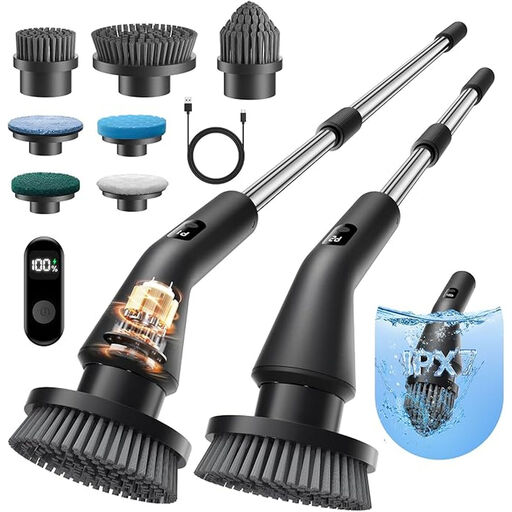
Why This Fits Their Persona: Ideal for those who value thorough and time-saving cleaning. Its motorised power makes it easy to remove stubborn dirt in bathrooms, kitchens, and on floors without strenuous scrubbing.
This device solves the problem of ineffectiveness. Instead of relying on muscle power, it uses two speed settings (350/450 RPM) and 7 different brush heads to tackle every corner and surface with precision.
The IPX7 waterproof rating allows for safe use in wet environments and easy cleaning under running water. The extendable handle (up to 127 cm) saves your back.
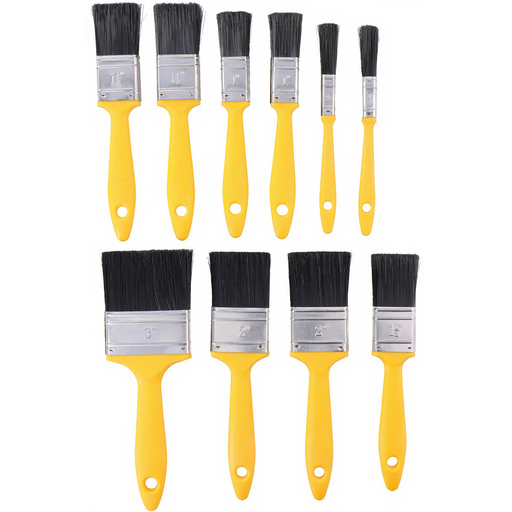
Why This Fits Their Persona: Perfect for hobby artists and DIYers who need a selection of reliable brushes for various projects—from detail work to large-area painting—without a major investment.
This set addresses the problem of bristle loss. The brushes feature a gold-plated iron ferrule that, according to the manufacturer, prevents bristles from falling out, ensuring a clean finish.
With 10 brushes in 5 different sizes (from 12 mm to 75 mm), the set offers great versatility. The synthetic PET hollow-filament bristles are suitable for acrylic, watercolour, and oil-based paints.
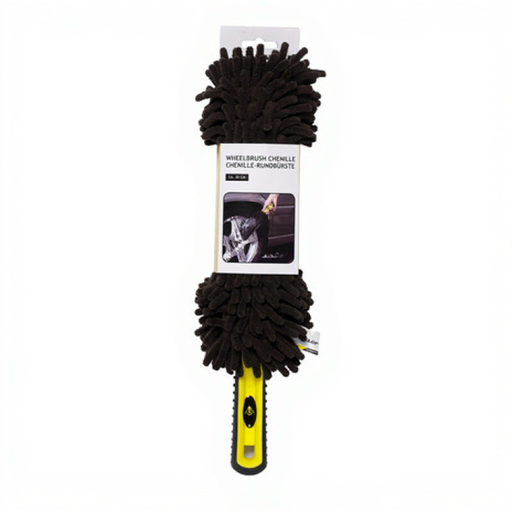
Why This Fits Their Persona: For car owners who want to clean their wheels thoroughly yet gently. Brake dust and road grime are stubborn and require a special tool to avoid scratching expensive rims.
This brush prevents scratches caused by unsuitable materials. The chenille microfibre head is extremely soft and designed to safely lift dirt particles rather than push them across the surface.
Its 33 cm length allows you to clean the entire wheel barrel, even behind the spokes. The material has a high water absorption capacity, which ensures constant lubrication during the cleaning process.
We've compiled a complete, up-to-date list of products that fully meet these strict selection criteria and all relevant safety regulations.
Proper cleaning depends on the brush type and its use. After use, cleaning brushes should be cleared of coarse debris and rinsed with soap and water. Brushes for water-based paints are also cleaned with water, while oil-based paints require a suitable solvent. Let all brushes air dry, ideally hanging or lying flat, to preserve the shape of the bristles.
A comb is primarily used for detangling and creating precise partings in the hair. Its teeth separate the strands of hair. A hairbrush, on the other hand, is more for smoothing, styling, and distributing the scalp's natural oils through the hair. Brushes with many, closely-spaced bristles can also create volume.
The risk of damage depends on the brush head used. Most sets for an electric cleaning brush include various attachments with different levels of hardness. Soft brush heads are suitable for delicate surfaces like car paint or glass, while harder bristles are intended for robust tiles or grout. It is recommended to test the brush on an inconspicuous area first.