
Lieferung heute & morgen

Qualitätsgarantie

Willkommens-Angebote freischalten: KOSTENLOSE Lieferung | Bis zu 80 % RABATT | Kostenlose 30-Tage-JoyPlus-Testphase
App herunterladen
Children’s toys should bring joy, be age-appropriate and offer lasting value. In practice, however, eye-catching packaging, lengthy product descriptions and spontaneous gift ideas can quickly lead to the wrong purchase. Three points in particular are often overlooked: the actual age recommendation, the space available for play, and the difference between open-ended building, role play and collecting.
With LEGO building sets, a high number of pieces may seem convincing at first. What really matters, though, is whether children can combine the bricks freely or whether, after a single build, there are few further play opportunities. LEGO Classic, for example, focuses on colourful basic and specialty bricks that can be taken apart and reused. A themed LEGO NINJAGO set, on the other hand, is aimed more at children who prefer a specific story, character or moving function.
“Toy for ages 4+” is not automatically suitable for every child of that age. Fine motor skills, patience and interests vary. Small parts also pose a choking hazard. The manufacturer’s age rating and the warnings on the packaging should therefore be checked before purchase. For younger children, an age-appropriate alternative such as LEGO DUPLO with larger bricks is a better choice.
With blind box figures, the contents are unknown before opening. This can appeal to collectors, but it makes targeted selection difficult and can result in multiple identical figures. Some blind box products in the range are expressly not intended for children under 8. For young children, open, controllable play systems are usually clearer and more straightforward.
Pay attention to the specific age rating and read the safety instructions in full. The LEGO Classic Set 11039 Creative Food Friends is listed as suitable for children aged 4+ and contains small parts. The LEGO Classic Set 11045 Creative Colorful Bricks is aimed at children aged 5+ and includes 820 pieces. For LEGO NINJAGO 71851 Kai's Dragon Mech Battle Pack, a minimum age of 6 is stated.
For children under 3, products with small parts must not be used if the manufacturer displays a corresponding warning. For younger or less experienced children, adult supervision may also be required.
Many LEGO sets are made from ABS plastic, according to product information. For everyday practicality, it is also important whether a storage box is included. The LEGO Classic 10696 Medium Creative Brick Box and the LEGO Classic 10698 Large Creative Brick Box are each supplied in a plastic container. With puzzles, a metal case can make storing several designs easier.
Before ordering, also check the dimensions of the finished model and the packaging. A posable dragon or a larger structure will need more display space than a small set with few pieces.
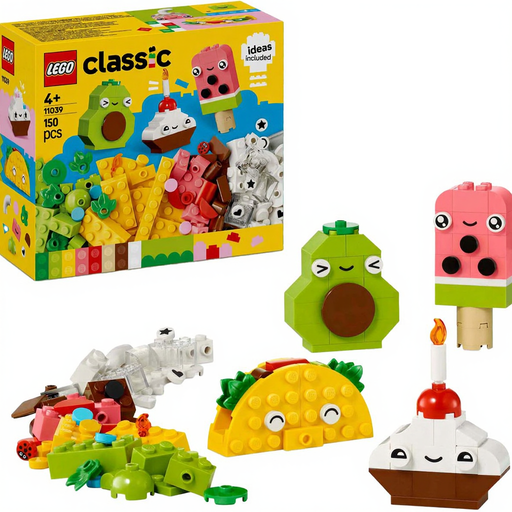
Why this product fits the profile: This set is recommended for children aged 4+ and contains 150 pieces. Four simple food-themed models provide an introduction to building and rebuilding.
The manageable number of pieces lowers the entry barrier. The bricks can be reused after building, rather than forming just a single model.
150 pieces, several food-themed models and special face and decoration elements.
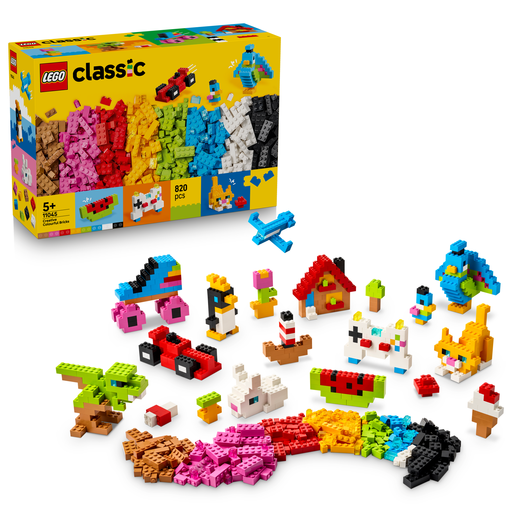
Why this product fits the profile: 820 pieces, 14 printed model ideas and additional digital instructions offer several starting points for children aged 5+.
Alongside the suggested models, the set remains usable for free construction. This means play value does not depend solely on a single finished build.
820 colourful pieces, 14 step-by-step ideas and three additional digital building instructions.
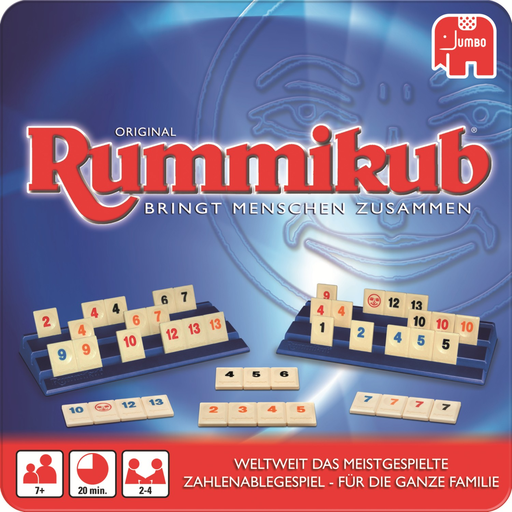
Why this product fits the profile: This board game is designed for 2 to 4 players aged 8+ and is ideal for regular family game sessions without batteries.
The number of players, game duration and rules are clearly stated before purchase. This prevents buying a game that is unsuitable for your actual family group.
106 plastic tiles, four racks, German language version and a stated playing time of approximately 20 minutes.
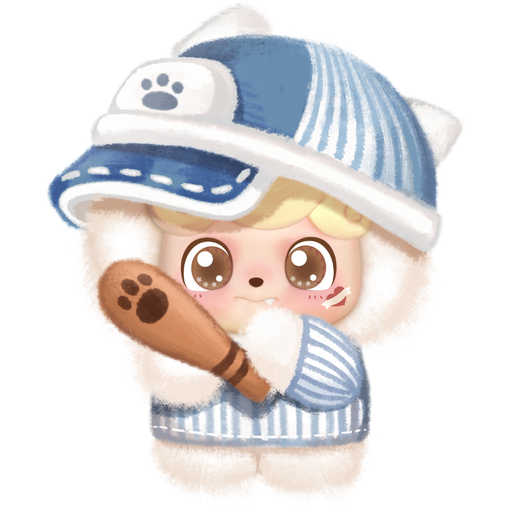
Why this product fits the profile: The approximately 12 to 14 cm PVC and plush figures are described as random individual items for collectors and decorative purposes.
The random selection is explicitly stated. In addition, the product description mentions small parts and excludes children under 3.
Single figure with no assembly required, compact size and a series with six regular variants plus one chase variant.
We have compiled a complete, regularly updated list of products that fully meet these strict selection criteria and the safety regulations in force in the EU.
For children aged 4+, simple LEGO Classic sets, creative building toys and children’s puzzles with a smaller number of pieces are good options. Always check the specific manufacturer’s recommendation. The LEGO Classic 10696, for example, contains 484 elements and is listed as suitable for children aged 4+. With small parts, an adult should supervise the first use.
The length of use depends less on the number of pieces than on the possible play variations. Open-ended systems like LEGO Classic can be rebuilt repeatedly. Themed sets such as LEGO NINJAGO 71829 Lloyd's Green Forest Dragon, on the other hand, offer moving elements, minifigures and role play. A combination of building instructions and free construction can cover different play phases.
Blind box figures are mainly suitable for collectors, teenagers or adults when the random selection is desired. Check the age rating particularly carefully: the product may contain small parts, and for some series, use or purchase is only recommended from age 8. For younger children, clearly identifiable, age-appropriately labelled toys are usually the more suitable gift idea.