
Lieferung heute & morgen

Qualitätsgarantie

Willkommens-Angebote freischalten: KOSTENLOSE Lieferung | Bis zu 80 % RABATT | Kostenlose 30-Tage-JoyPlus-Testphase
App herunterladen
Toys for children should bring joy, support development and actually get used in family life. The range stretches from baby toys from 6 months through Montessori toys and motor skills toys to puzzles, board games and family games. Yet it's precisely this huge variety that makes comparison so difficult.
Labels like "educationally valuable", "sensory" or "Montessori-inspired" on their own tell you little about suitability. What really matters is what actions the child performs: grasping, sorting, feeling, pressing, listening or playing together. So pay attention to age rating, gameplay, material and scope.
A toy for 6 to 36 months will be used very differently by a six-month-old baby than by a two-year-old. With activity centres, you should check whether the product can first be used on the floor and later in a standing position. For board games, the rules, playing time and number of players are especially important.
Puzzles, dice, playing pieces and marbles can contain small parts that pose a choking hazard. Musical toys for children often need batteries that aren't included in the box. A volume control is handy for everyday home use, but doesn't replace supervision. Before buying, always read the warning labels and information on the packaging.
The age recommendation is a starting point, but not a substitute for observing your child. A baby toy from 6 months should be easy to grip and have no loose small parts. For toddlers, robust materials, rounded edges and simple cause-and-effect functions are ideal.
For older children, games for ages 3+, children's puzzles or first family games are a good choice. Check the following:
For plastic toys, material details such as ABS or BPA-free can be relevant. According to product information, several of the baby toys mentioned here are made from ABS plastic, have rounded edges and contain no loose parts. You should still cross-check this information against the markings on the packaging.
The CE mark indicates that the manufacturer declares compliance with current EU requirements. It is not an independent testing seal and is no guarantee of a specific lifespan. The EN 71 standards cover various safety requirements for toys. Here too, the rule is: markings, manufacturer information and warning labels form the basis of your buying decision.
Many features can be useful if they match the child's age. For a baby activity centre, for example, removable standing legs, a stable base and an adjustable volume are practical criteria. With a puzzle, it's not just the total number of pieces that counts, but also whether the individual designs suit the child's age and concentration span.
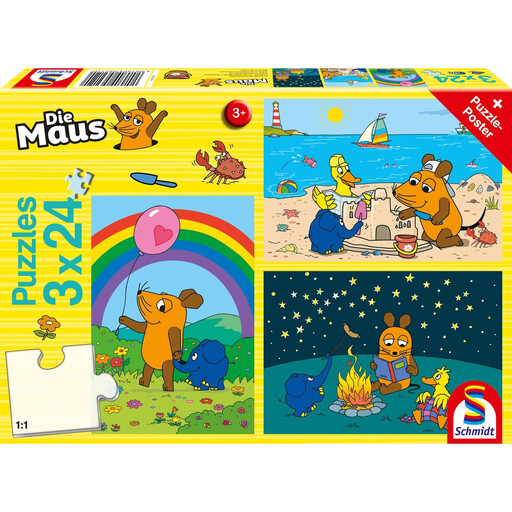
Why this product fits the profile: The set contains three puzzles with 24 pieces each and is recommended for children aged 3 and over according to the product information. It offers several designs in one pack and requires neither batteries nor a large setup.
The number of pieces and the recommended age are clearly stated. This makes the set easier to assess than a puzzle with an unclear difficulty level.
Three designs, 3 × 24 pieces, matt finish according to the product description and no batteries required.
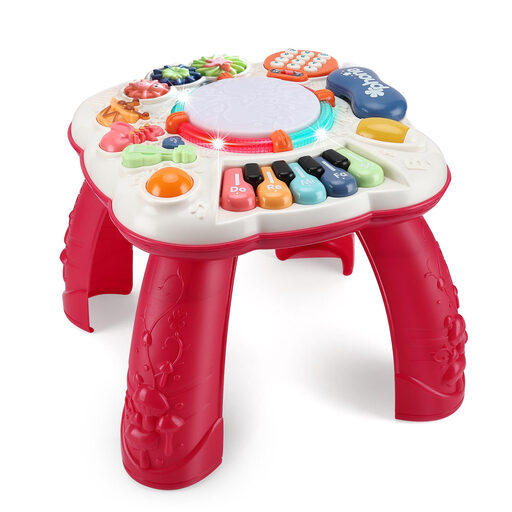
Why this product fits the profile: The table offers six described play areas, including piano keys, a drum, spinning gears and a play telephone. According to the product description, the legs can be removed so it can be used as a floor play mat.
The age range of 6–36 months, the conversion option and the volume control are clearly stated. Batteries need to be budgeted for separately.
Two usage modes, six play zones and adjustable volume according to the product information.
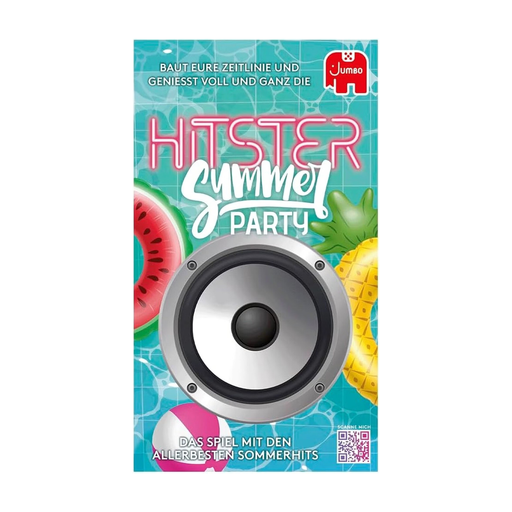
Why this product fits the profile: According to the product information, this music game is designed for 2–10 players aged 16 and over. Over 300 tracks are placed in chronological order; the Hitster app and Spotify are required for full use.
Age, number of players and technical requirements are all stated. This means you can check before buying whether the game suits your household and the group you have in mind.
2–10 players, ages 16+, app integration and music cards with a chronological gameplay concept.
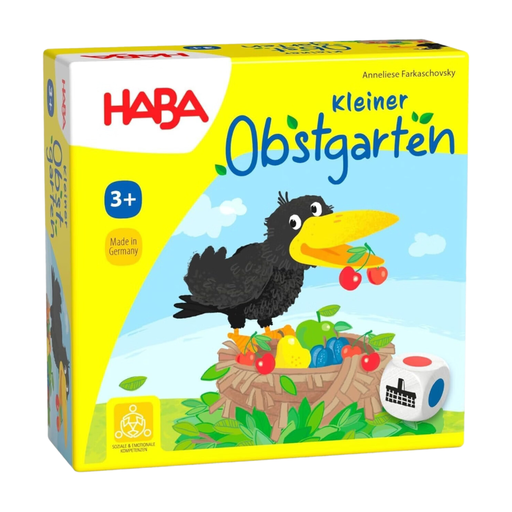
Why this product fits the profile: According to the product information, this cooperative game is designed for 1–4 children aged 3 and over and takes about 5–10 minutes. It's therefore ideal for short game rounds with parents, siblings or grandparents.
The short playing time and the number of players are clearly stated. The cooperative principle reduces the pressure that a purely competitive game can create.
1–4 players, approximately 5–10 minutes playing time, plus colour and fruit matching according to the product description.
We've put together a complete, regularly updated list of products that fully meet these strict selection criteria and the safety regulations in force in the EU.
For a birthday gift for children, the age recommendation should match the child's current developmental stage. A puzzle or a short dice game is often a better choice than a complex game with a long setup time. For Christmas, a versatile baby activity centre could be a good option if your home has enough space and you've factored in the cost of batteries.
For older children, board games for kids, family games or party games for families are worth considering. Before buying, check whether the language, app access, number of players and playing time suit the group you have in mind. Christmas toys with lots of small parts should be fully checked after unpacking and stored out of reach of younger siblings.
Suitable options are grippy, sturdy and easy-to-clean products with no loose small parts. Learning toys for babies such as a floor play centre, a sensory movement toy or a simple drum can offer different types of interaction. With musical toys, the volume should be adjustable and use should be supervised.
The lifespan depends on the material, construction, cleaning and intensity of use. With plastic toys, edges and moving parts should be checked regularly. For board games and puzzles, a sealable storage box is recommended so that no pieces get lost. A longer lifespan also results when the gameplay suits the child's age and doesn't just offer a single function.
With battery-operated toys, replacement batteries may be needed; these are often not included. Parents should also check whether speakers, light functions or an app are required. For digital extras such as streaming games, a compatible smartphone and a corresponding account may be necessary.