Commuters looking for wholegrain and fibre
If you’re short on time in the morning, you’ll want to assess wholegrain ingredients and fibre from the ingredients list and nutritional information, rather than relying on the look of the packaging.


For a quick weekday breakfast, the specific wholegrain ingredient matters more than the design of the packaging. Then compare sugar and fibre per 100 g: a sweet cereal can contain wholegrain without being the same choice as a less sweet muesli. If you have particular dietary requirements, also check the ingredients and allergen information on the current packaging.
If you’re short on time in the morning, you’ll want to assess wholegrain ingredients and fibre from the ingredients list and nutritional information, rather than relying on the look of the packaging.
You want to distinguish sweeter cereals from less sweet mueslis and consider the sugar content per 100 g alongside the wholegrain ingredients.
A fuss-free breakfast is important to you. You’ll also want to know how your preferred cereals compare with other wholegrain products in terms of ingredients and sugar content.
For a weekday breakfast, start by checking the wholegrain ingredients. Then compare the nutritional values per 100 g, and finally make sure the preparation and ingredients suit your everyday routine.
| What to consider | What to check when buying | Who it matters most to |
|---|---|---|
| Wholegrain and fibre | Whether a wholegrain ingredient or wholegrain content is specified, and the fibre per 100 g. | If I want a clear wholegrain base in the morning, the colour and appearance of the packaging aren’t enough. This is the top priority for around 36% of consumers. |
| Sugar | The ‘of which sugars’ figure per 100 g and any sweetening ingredients in the ingredients list. | I don’t want to choose a muesli just because it contains wholegrain ingredients if a lower sugar content matters more to me. This is the top priority for around 29% of consumers. |
| Convenience and taste | How to eat it and the suggested serving size; compare the nutritional values of different products on the same 100 g basis. | Before work, I need something I’ll enjoy without having to spend a long time preparing it. Around 21% of consumers prioritise this. |
| Ingredients and allergens | Highlighted allergens, ‘may contain’ warnings and, where relevant, an explicit gluten-related label on the current packaging. | If I need to avoid certain ingredients, the word ‘wholegrain’ isn’t enough to guide me. This check is the top priority for around 14% of consumers. |
These are different things: Nestlé Cerealien lists wholemeal wheat flour as an ingredient in Cini Minis, but the sugar content still needs to be assessed separately.
Read the ingredients list and compare ‘of which sugars’ and fibre per 100 g.
The 90% guideline explained by Lebensmittelklarheit applies to wholemeal bread and wholemeal rolls, not to breakfast cereals in general.
For cereals, check the wholegrain information for the specific product and the order of the ingredients instead.
Even without added sugar, ingredients such as dried fruit can contribute to the stated sugar content.
As well as checking the claim, look at the ‘of which sugars’ figure per 100 g.
Muesli and cereals can contain different types of grain or nuts, depending on the recipe. ‘Wholegrain’ doesn’t tell you whether a product meets your individual requirements.
Before buying, check the highlighted allergens and ‘may contain’ warnings on the current packaging.
The brand offers a range of muesli mixes. The recipe of each individual product is what matters when comparing them.
The range includes a variety of cereals, with wholegrain ingredients and sugar content varying from product to product.
When it comes to wholegrain, the specific variety matters across the brand’s breakfast cereal range.
familia describes its Müesli range as offering a variety of recipes, including organic and ‘Lower Sugar’ options.
These Joybuy products include wheat biscuits, mueslis, rolled oats and oat cereals. First choose the type of product you’d like, then compare the information on its packaging.
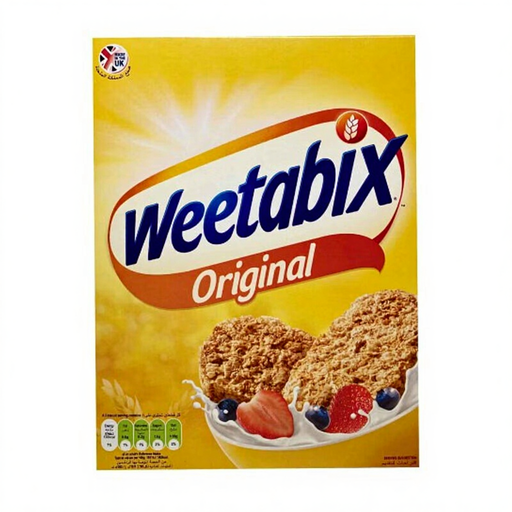 No image available
A good choice if you prefer wheat biscuits as a wholegrain base for your weekday breakfast. The pack contains 430 g; bear the wheat and barley ingredients in mind when choosing.
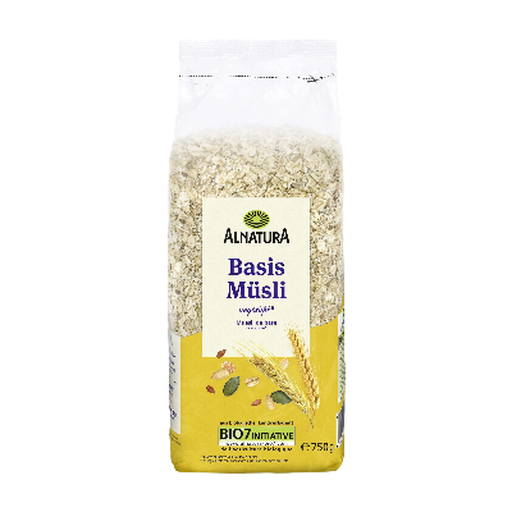 No image available
A good fit if you’re looking for a basic muesli with cornflakes for a quick breakfast bowl. The pack contains 750 g; if you have specific dietary requirements, check the gluten-containing ingredients and ‘may contain’ warnings.
 No image available
For anyone who prefers crunchy oat muesli in the morning. The pack contains 750 g; check the nutritional information to assess the sugar content rather than relying on ‘Less Sweet’ alone.
 No image available
A simple oat base if you’d like to choose your own additional ingredients. The pack contains 500 g; check that the preparation method suits your morning routine.
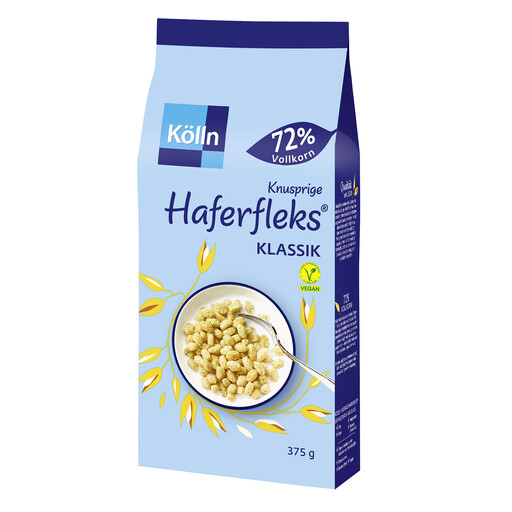 No image available
For a breakfast of crunchy oat cereal rather than rolled oats or muesli. The pack contains 375 g; if you’re keeping an eye on sugar, compare the figure per 100 g with other products.
No. Look for specific wholegrain information and check the ingredients list. The German Nutrition Society points out that colour isn’t a reliable way to identify wholegrain products.
No. Ingredients such as dried fruit can also contain sugar. So compare the ‘of which sugars’ figure per 100 g. The Rural Service Centre Rhineland-Palatinate explains that, for solid foods, a ‘low sugar’ claim is only permitted when the product contains no more than 5 g of sugar per 100 g.
No. Wholegrain describes how the grain is processed, not whether it contains gluten. If you have gluten-related dietary requirements, check for explicit labelling and read the ingredients on the current packaging.
Use the nutritional information per 100 g to compare products. The serving size then helps you work out the values for the amount you actually plan to eat.