
Lieferung heute & morgen

Qualitätsgarantie

Willkommens-Angebote freischalten: KOSTENLOSE Lieferung | Bis zu 80 % RABATT | Kostenlose 30-Tage-JoyPlus-Testphase
App herunterladen
Foundation should even out your complexion without sitting visibly on the skin. In practice, however, purchases often go wrong not because of the brand, but because of an unsuitable shade, the wrong texture or unrealistic expectations about wear and skincare benefits. So, whether you are choosing a liquid foundation, a cushion foundation or a powder foundation, you should first define what you need from it.
“Light skin” only describes the depth of the shade. The undertone is just as important:
A shade that is too warm can look orange, while one that is too cool may make your complexion appear greyish. Foundation should ideally be assessed in daylight, at the transition between the cheek and neck. The colour of your hand is only a limited guide.
A long-lasting foundation can perform differently on oily or combination skin than on dry skin. Matte formulas often contain absorbent or film-forming ingredients and can make dry patches more noticeable. By contrast, a moisturising foundation with a radiant finish may become shiny more quickly on very oily skin.
Terms such as waterproof, sweat-resistant and transfer-resistant also refer to the individual product description and are not a guarantee for every everyday situation. Temperature, skincare, application technique and friction from clothing can all affect how long it lasts.
A foundation with SPF can provide additional support in your daily routine. However, the stated protection level only applies when a sufficient amount is applied correctly. For longer periods outdoors or intense sun exposure, a separate sun protection product is required, used according to the instructions on its packaging. SPF 10, SPF 15, SPF 20 and SPF 30 should therefore not automatically be considered equivalent.
When choosing foundation for fair skin, shade names such as 1C0 Cool Porcelain, C00 Fair, 1N Porcelain and W01 Vanilla can be helpful, but they are not fully standardised. The manufacturer’s shade name is no substitute for matching the product to your own undertone. For medium skin tones, neutral shades such as 23N Ginger and CF25 Topaz Beige may be worth considering.
If you need to compare shades online, use the product photo only as a guide. Lighting, screen display and image editing can alter the colour. The product page and the available shade description are more important when making your choice.
A foundation with medium to high coverage is suitable when you want to target redness or visible unevenness. For everyday wear with a more understated look, lightweight, buildable formulas are often more versatile.
Thin layers can usually be built up more evenly than applying a large amount of product all at once. Particularly with matte textures, a slightly damp sponge can help create a softer-looking result.
A matte finish reduces visible shine, while a radiant finish reflects light and makes the complexion look more lively. “Moisturising” describes cosmetic properties of the formula, but is not a medical claim. If you are sensitive to fragrances, alcohol or certain preservatives, check the full INCI list on the packaging supplied with the product. Formulas and ingredients can change.
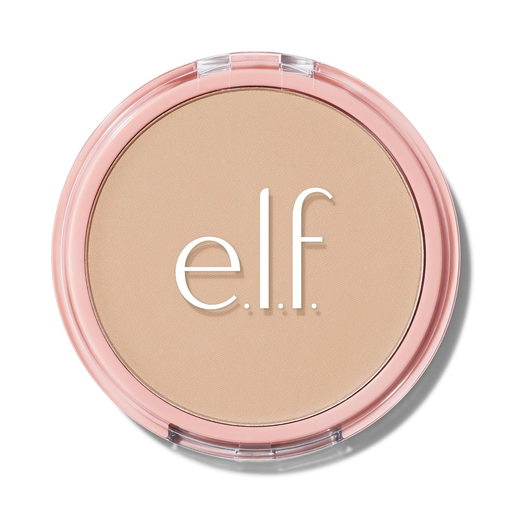
Why this product suits the profile: The compact powder format is easy to apply and is suitable for anyone looking for a lightweight, buildable base or quick everyday touch-ups.
According to the product details, the coverage is light and buildable. This helps avoid an overly heavy, mask-like layer; on dry areas, a suitable skincare base is recommended.
Pressed, lightweight powder texture; according to the product description, formulated with squalane and hyaluronic acid, and vegan and cruelty-free.
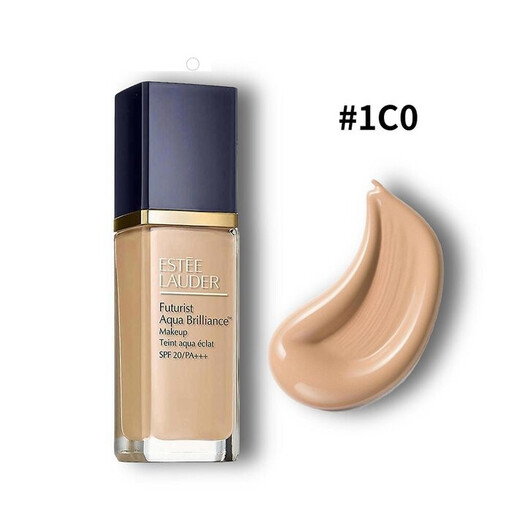
Why this product suits the profile: According to the product description, the cool 1C0 Cool Porcelain shade is intended for very fair skin tones. The liquid texture is designed for controlled application with medium to high coverage.
The specific shade code makes it easier to check the undertone. Even so, the stated hydration and wear claims should be considered alongside your own skincare routine and desired finish.
30 ml content; according to the manufacturer, 84% skincare ingredients, 24-hour hydration and SPF 20. These claims are taken from the product description.
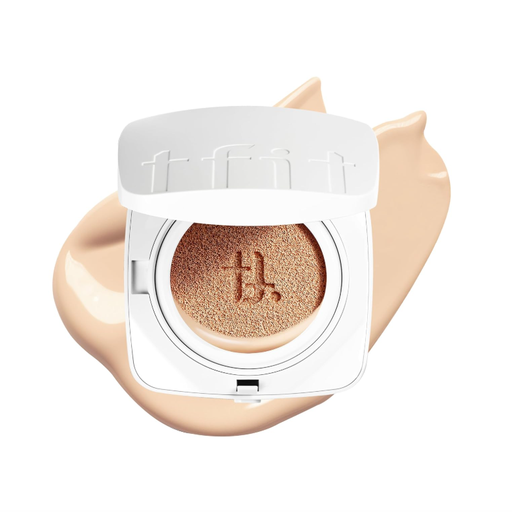
Why this product suits the profile: The cushion packaging is ideal for frequent touch-ups and quick application. According to the product description, W01 Vanilla is intended for very fair to fair skin with a warm undertone.
The buildable application allows for a thin everyday layer and targeted additional coverage. Despite the stated SPF 50+, it does not replace separate sun protection during prolonged sun exposure.
According to the product details, high coverage, a matte finish and SPF 50+ PA++++; compact format for on-the-go use.
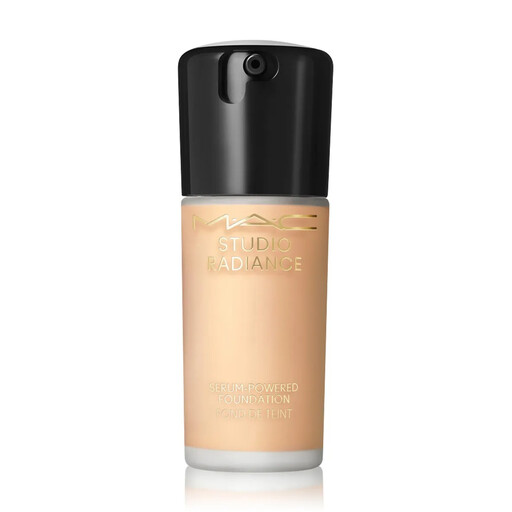
Why this product suits the profile: This serum foundation is designed for anyone who prefers lightweight, buildable coverage and a glossy, radiant finish.
The medium, buildable coverage prevents you from applying more product than necessary for a natural look. On oily skin, the luminous texture should be set with powder in selected areas.
30 ml content; according to the product description, 24-hour hydration, medium buildable coverage and a skincare base with 33 active ingredients.
The key factors are depth and undertone. For very fair skin, shade names such as Cool Porcelain, Fair, Porcelain and Vanilla may be suitable. Before buying, check whether the shade is cool, neutral or warm. Testing it on the neck or lower cheek area in daylight is more reliable than comparing it on your hand.
This depends on the formula, packaging and storage conditions. The best-before date and the PAO symbol on the packaging are the key points to check, such as an open jar symbol accompanied by a number of months. Foundation should be kept tightly closed, in a dry place and away from direct sunlight. If its smell, colour or consistency changes, it should no longer be used.
No, not for prolonged or intense sun exposure. The SPF stated for a foundation refers to the tested formula and the required amount of product applied. For your daily commute, it can be an additional benefit; for stronger UV exposure, a separate sun protection product remains the more reliable option.