
Lieferung heute & morgen

Qualitätsgarantie

Willkommens-Angebote freischalten: KOSTENLOSE Lieferung | Bis zu 80 % RABATT | Kostenlose 30-Tage-JoyPlus-Testphase
App herunterladen
A shampoo should cleanse your hair and scalp without compromising the care benefits you want. However, prominent advertising claims often lead to unsuitable purchases. The right choice depends less on an impressive-sounding ingredient name and more on your hair type, scalp and washing habits.
Terms such as caffeine, biotin, keratin, ginseng or peptides may be prominently displayed on the packaging. However, their mere presence says little about whether a product meets your individual needs. A caffeine shampoo, for example, may appeal to anyone who specifically wants to cleanse their scalp with a caffeine-containing product. It does not replace medical advice if hair loss persists.
A keratin shampoo or repairing shampoo may also help the hair’s surface feel more conditioned. Visible changes to the hair should not automatically be equated with permanent repair of the hair fibre.
A shampoo for all hair types can be practical when several people in the household use the same product. However, more targeted formulations are often preferable for very dry lengths, coloured hair, fine hair or a sensitive scalp. A strongly cleansing product may feel uncomfortable on a dry scalp, while a rich shampoo can weigh down fine hair.
A sulfate-free shampoo does not contain certain sulfate surfactants, but this does not automatically mean that it is free from fragrances, essential oils or other potentially irritating ingredients. Conversely, sulfate-based surfactants may work perfectly well for many people. The complete INCI list and your personal tolerance are what matter.
Consider the combination of hair length, structure and condition:
Shampoo is mainly applied to the scalp. The lengths are cleansed as the product is rinsed out. If you have an oily scalp, a clarifying shampoo can occasionally remove styling-product residue and excess sebum. For daily use, however, cleansing should not be unnecessarily harsh.
For visible dandruff, products containing suitably stated ingredients may be an option. An anti-dandruff shampoo is formulated as a cosmetic product or, depending on the product, specifically for scalp care. If you experience severe itching, inflammation or recurring symptoms, it is advisable to seek medical advice. Claims such as “against hair loss” should be assessed particularly critically: a shampoo cleanses the scalp, but does not demonstrate a treatment outcome.
If you have a sensitive scalp, look out for fragrances and declared allergens such as Linalool, Limonene or Geraniol. Essential oils, menthol and certain preservatives may also be tolerated differently from person to person.
Practical details are also relevant:
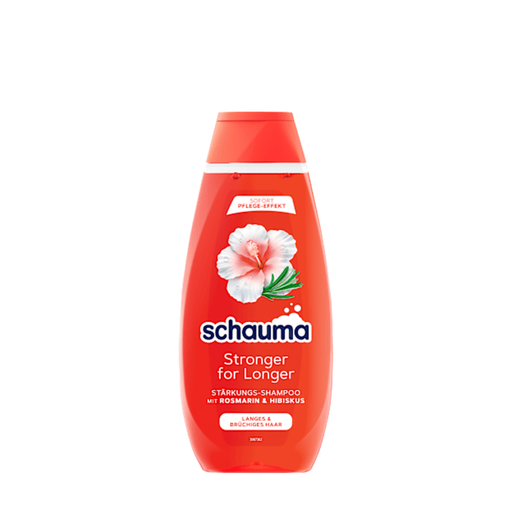
Why this product suits this profile: The 400 ml bottle is suitable for regular hair washing. According to the product description, it contains hibiscus and rosemary extracts as well as panthenol, and is designed for long, brittle hair.
The choice is based on its suitability for long hair and its ingredient list, rather than a blanket “for everyone” promise.
400 ml; contains hibiscus, rosemary, panthenol and caffeine according to the stated INCI list.
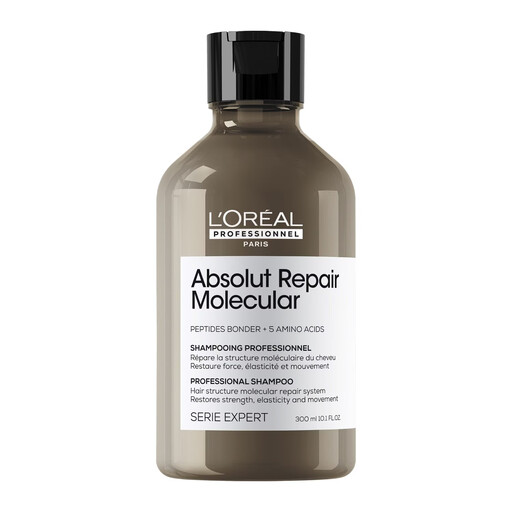
Why this product suits this profile: According to the product description, the formula is intended for dry and damaged hair and is suitable for all hair colours. Amino acids and peptide bonders are listed in the INCI list.
The selection identifies specific hair conditions and ingredient groups without promising permanent restoration.
300 ml; contains glycerine, arginine, glycine, serine, tyrosine and glutamic acid according to the product information.
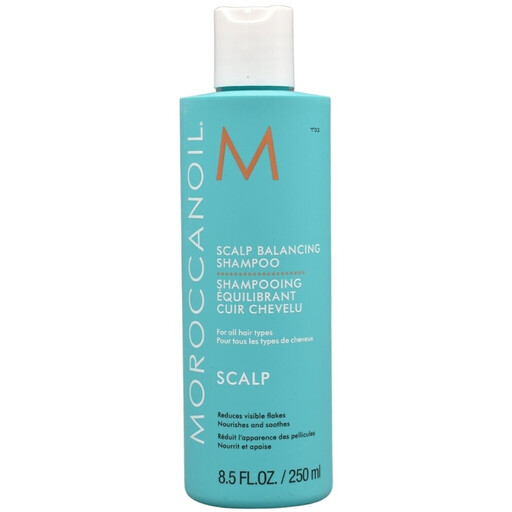
Why this product suits this profile: For users with oily, dandruff-prone or sensitive scalps, this product offers specifically stated scalp care. According to the product description, it is sulfate-free, silicone-free and pH-balanced.
The choice takes scalp type, pH information and the surfactant system into account instead of focusing solely on fragrance or care claims.
Contains salicylic acid, niacinamide and argan oil according to the product description; stated as suitable for daily use.
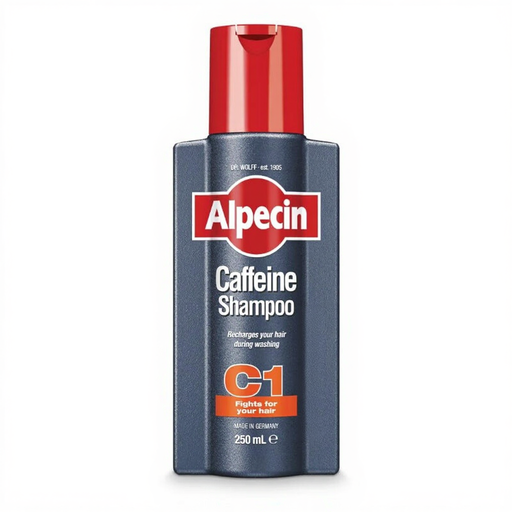
Why this product suits this profile: According to the product description, this shampoo is aimed at fine and thin hair, as well as users who want to incorporate a caffeine shampoo into their daily hair-washing routine.
The two-minute application time is clearly stated. Anyone experiencing hair loss should not regard cosmetic use as a medical treatment.
250 ml; silicone-free formula according to the product description; caffeine is included in the stated INCI list.
We have put together a complete, regularly updated list of products that fully meet these strict selection criteria and the safety regulations applicable in the EU.
This depends on your scalp, exercise, styling products and personal preference. An oily scalp may require more frequent washing, while a dry or sensitive scalp may benefit from longer intervals. Gentle cleansing, thorough rinsing and using shampoo as needed are what matter most.
The information on the packaging is authoritative, as is the open-jar symbol, if present. Store the bottle closed, in a dry place and away from direct heat. If the smell, colour or consistency changes, stop using the product.
No. A professional shampoo may offer a targeted formula or a larger size, but it is not automatically suitable for every hair type. Compare the ingredients, size, directions for use and scalp compatibility. This way, even when shopping on a budget, you can find a shampoo that suits you.