
Lieferung heute & morgen

Qualitätsgarantie

Willkommens-Angebote freischalten: KOSTENLOSE Lieferung | Bis zu 80 % RABATT | Kostenlose 30-Tage-JoyPlus-Testphase
App herunterladen
A chopping board is an everyday kitchen essential. But it can take a few weeks to find out whether a particular model stays put, is easy to clean and suits the way you plan to use it. Attractive product claims, unclear material descriptions and a work surface that’s too small are among the most common causes of a poor purchase.
The term antibacterial chopping board does not automatically mean the board will remain germ-free. Cleaning, drying and the condition of the surface still matter. Deep grooves, cracks or warping can make cleaning more difficult. If a board is described as “antibacterial” or “antimould”, check whether this refers to a specific material property or is simply marketing language.
A large chopping board gives you room for vegetables, bread or meat. However, it also needs enough worktop and storage space. For example, a 70 × 25 cm serving board may be better suited to snacks and presentation than to everyday use or fitting in the kitchen sink. You should also consider the weight if you’ll be moving the board regularly.
Wooden and bamboo boards are generally not suitable for the dishwasher. Soaking them for a long time can cause warping or cracks. Plastic and stainless steel options are often easier to care for, but you should still check the manufacturer’s specific guidance. A double-sided chopping board can be useful if it gives you two clearly separate work surfaces. However, it doesn’t replace hygienic separation and cleaning after use.
A bamboo chopping board is relatively lightweight and is often used for both chopping and serving. Dry bamboo boards straight after washing and don’t leave them sitting in water.
A wooden chopping board made from beech, walnut or acacia has a natural look. Clean the surface with mild washing-up liquid and dry it thoroughly. Depending on the manufacturer’s guidance, occasional treatment with food-safe mineral oil may be recommended.
A stainless steel chopping board is water-resistant and usually easy to rinse clean. However, metal surfaces can affect knives differently from wood or bamboo. If you have delicate knives, check the material combination and surface finish before buying.
Plastic or wheat straw fibre can be an easy-care alternative. Check the specific information on food safety, dishwasher care and surface finish.
For everyday use, boards measuring around 30 × 20 cm are compact and easy to store. If you regularly prepare several ingredients at once, you’ll benefit from a larger work surface. Thickness affects both stability and weight: a 26 mm board will generally sit differently on the worktop from a thin 8.5 mm model.
Before you buy, check:
It can be helpful to use separate boards for meat, fish, vegetables and bread. A chopping board set with different sizes or surfaces makes it easier to keep them separate. After use, wash the board with warm water and a suitable mild cleaning product, then dry it thoroughly.
If you notice deep cracks, splinters, mould or significant warping, stop using the board. A juice groove shouldn’t be considered a hygiene measure in its own right; its main purpose is to catch liquids.
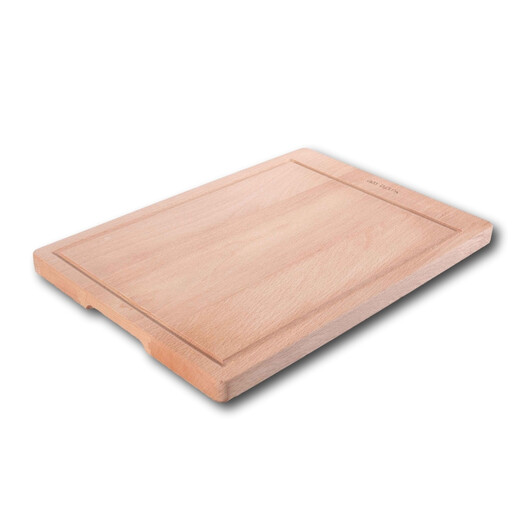
Why it suits this profile: Its medium size is ideal for everyday chopping without taking up much storage space. Beechwood provides a natural work surface.
The dimensions and material are clearly stated. The care instructions specifically advise against soaking it or cleaning it in the dishwasher.
34 × 24 × 2.2 cm; designed for everyday chopping, dicing and mincing.
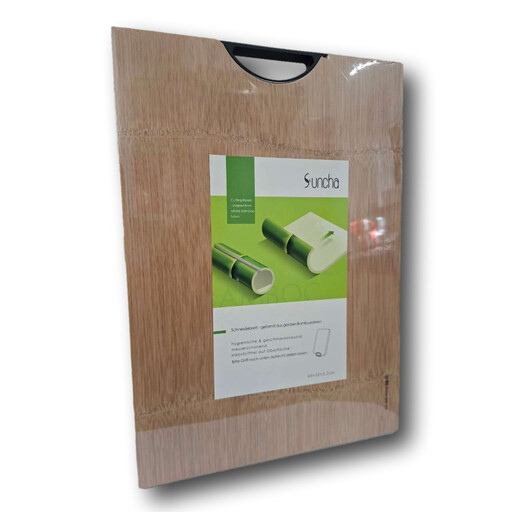
Why it suits this profile: Measuring 45 × 32 cm and 26 mm thick, this board is designed for households that often prepare several ingredients at once.
Its thickness and surface area are clearly stated. The integrated handle makes it easier to carry, though hand-washing and thorough drying are still required.
Large work surface; integrated handle; made from solid bamboo according to the product details.
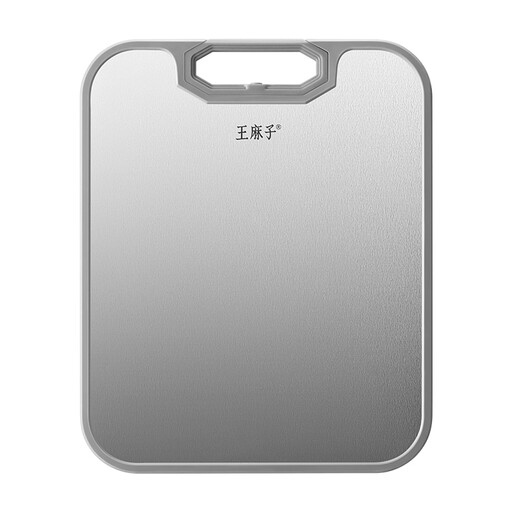
Why it suits this profile: This double-sided stainless steel board is a good option if you prefer a water-resistant surface that’s easy to wipe clean.
“Antibacterial” shouldn’t be taken as a substitute for cleaning. The two sides can be used separately, as long as you keep them separate and clean them thoroughly.
Double-sided design; stainless steel surface; ideal if easy cleaning is a priority.
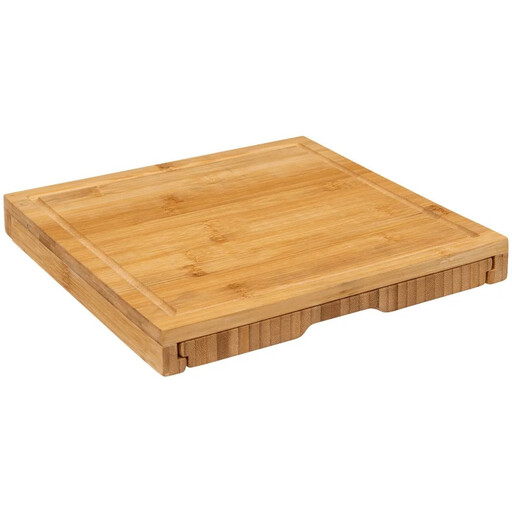
Why it suits this profile: This square bamboo board is designed for serving cheese, cold cuts and snacks, and comes with several cheese knives.
Its purpose as a serving and cheese board is distinct from that of a traditional kitchen chopping board. This model isn’t dishwasher-safe.
30 × 30 cm; bamboo; four cheese knives according to the product description.
We’ve put together a complete, regularly updated list of products that meet these strict selection criteria and the safety regulations in force in the EU.
A board with two clearly separate sides, or a chopping board set, can make it easier to keep different ingredients apart. Make sure you clean each side thoroughly after use and dry it completely. The material alone won’t prevent cross-contamination.
Its lifespan depends on the material, how often it’s used and how well it’s cared for. Wooden and bamboo boards shouldn’t be soaked or cleaned in the dishwasher. Replace the board if it develops deep cut marks, cracks, splinters, mould or warping.
There’s no straightforward answer. Both materials need to be cleaned and dried properly. Stainless steel is often easier to wipe clean, while wood and bamboo are more affected by moisture. The product information, condition of the surface and your everyday care routine all matter.