Considerate in a shared room
If you listen to choral recordings while someone else in the same room needs peace and quiet, low sound leakage and a well-fitting pair of closed-back headphones are important starting points.


If the other person in the bedroom needs peace and quiet, a well-fitting closed-back pair of headphones is usually the more sensible place to start; check how much sound leaks at your usual listening volume. Open-back headphones may be an option if they won’t disturb anyone, while ANC can reduce background noise for you but won’t reliably block out conversations or stop sound leaking out.
If you listen to choral recordings while someone else in the same room needs peace and quiet, low sound leakage and a well-fitting pair of closed-back headphones are important starting points.
If you want to pick out individual voices and hear the acoustics of the recording space, compare the tuning of specific models. Open-back headphones are only suitable if sound leakage won’t bother anyone.
If background noise masks quieter passages, passive isolation and, where appropriate, ANC may be worth considering. You may still hear conversations even with noise cancelling.
A good fit if: you want the other person to hear as little of your music as possible and prefer a wired connection.
Bear in mind: fit and warmth vary by model; the design alone doesn’t guarantee a particular sound signature.
A good fit if: steady background noise is also a distraction and you’d like to listen wirelessly.
Bear in mind: ANC doesn’t block every sound; Sony notes that voices in particular may still be audible.
A good fit if: you can listen without disturbing anyone and value spacious sound more than isolation.
Bear in mind: open-back headphones let sound out and ambient noise in.
In a shared bedroom, start by considering sound leakage and fit, then compare vocal reproduction and connectivity. The proportions below show which factors may matter most when choosing.
| Concern | What to check when buying | Who is it important to? |
|---|---|---|
| Sound leakage | Closed-back design and fit of the ear cushions; check how much sound escapes at your usual listening volume. | If you’re listening in the same room while someone else needs peace and quiet, keeping music from leaking out is the main priority. Around 36% of consumers put consideration for the other person first. |
| Choral voices and soundstage | Compare familiar choral passages; choose an open-back design only if sound leakage is acceptable. | If individual voices and a spacious presentation are central to your listening experience, assess both using recordings you know well. Around 29% of consumers prioritise choral sound. |
| Noise in the room | Assess passive isolation and ANC separately; test them against the noises that actually bother you. | If noise in the room masks quieter passages, you’ll want to reduce it without turning the volume up unnecessarily. Around 21% of consumers prioritise distracting room noise. |
| Comfort and connectivity | Try the clamping force for as long as possible; check the socket, cable length or Bluetooth connection against your audio source. | If you listen for long periods or use a particular audio source, a comfortable fit and suitable connection are essential. Around 14% of consumers focus mainly on comfort and connectivity. |
Open-back earcups let music out and noise from the room in. This can be disruptive if someone nearby is trying to sleep.
First, check whether audible sound leakage is acceptable. Only then compare open-back and closed-back models.
ANC reduces noise for you, but may not block out changing speech. It also doesn’t tell you how much music the other person can hear.
Assess sound leakage, fit and ANC performance separately.
An independent review by HIFI.DE notes boosted bass and high clamping force on the Audio-Technica ATH-M50x. So a studio classification alone doesn’t prove that you’ll like its sound or fit for choral music.
Compare reviews of the exact model and listen to familiar choral passages at a comfortable volume.
The closed-back, wired DT 700 PRO X is an option if isolation matters in a shared room.
The HD 560S is an open-back, wired over-ear headphone for listening somewhere you won’t disturb anyone.
The closed-back, wireless WH-1000XM6 combines ANC with Bluetooth and a cable input.
The closed-back, wired SRH840A is an alternative for monitoring.
The wired ATH-M50x is described by the manufacturer as a closed-back monitoring option with a detachable cable.
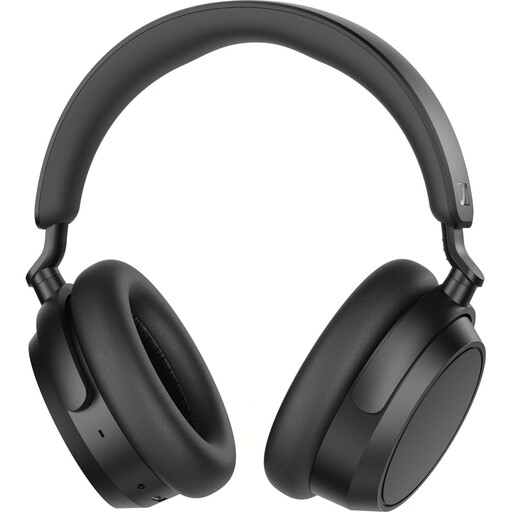
This selection features closed-back over-ear headphones with ANC for listening in a shared room. Compare fit and sound leakage as well as noise cancelling.
 No image available
The closed-back over-ear design and ANC suit your search for isolation and less distracting noise in the room.
Bluetooth 5.2 with aptX and multipoint; detachable cable; quoted battery life of up to 50 hours.
 No image available
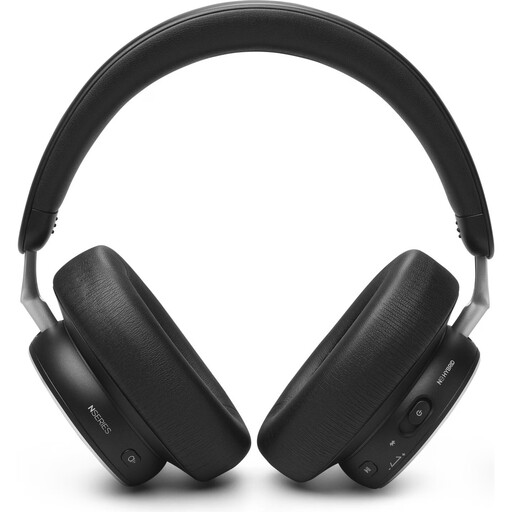
The closed-back design with ANC is one option if noise in the room distracts you and you’d also like a wired connection.
Bluetooth 5.3 with multipoint; 3.5 mm cable option; quoted battery life of up to 55 hours.
 No image available
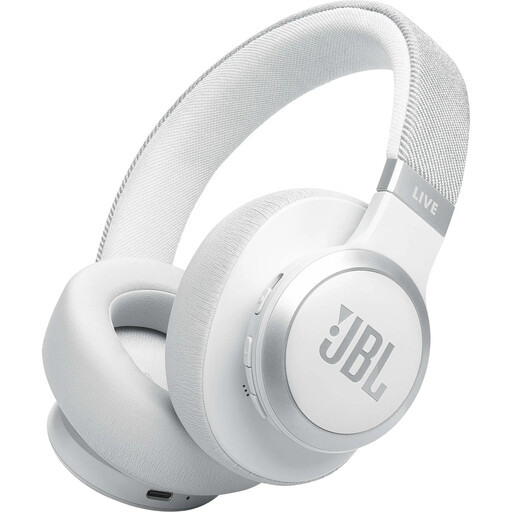
The over-ear design with adaptive noise cancelling may be worth considering if noise in the room gets in the way of your listening.
Bluetooth multipoint and a detachable audio cable are listed.
 No image available
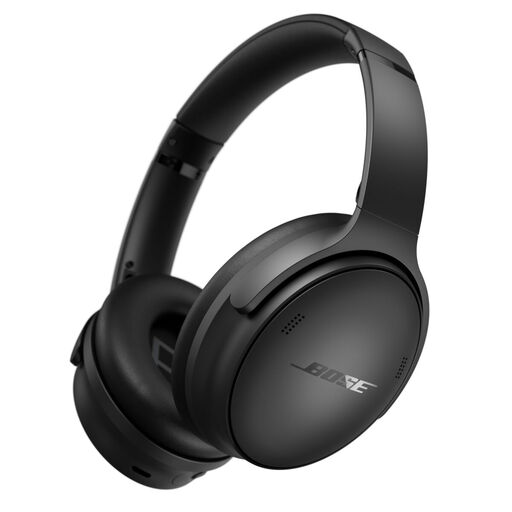
The over-ear design with adjustable noise cancelling is an option if you want to reduce ambient noise while listening.
Bluetooth 5.1 and an audio cable are listed as connection options; Quiet, Aware and Custom modes are available.
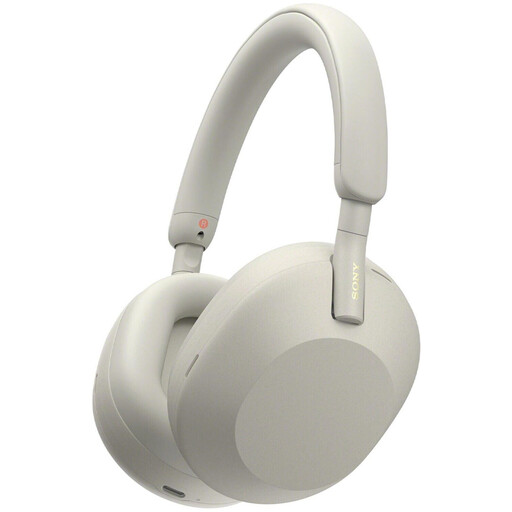 No image available
ANC and the over-ear design may suit you if ambient noise is a distraction while listening. Check whether your audio source supports Bluetooth or a cable connection.
Bluetooth multipoint and a 3.5 mm cable option are listed.
No, voices may still be audible even with noise cancelling switched on. Sony recommends assessing its performance against the noises you actually hear in the room.
First, check the socket on your audio source. For the beyerdynamic DT 700 PRO X, the manufacturer lists a 3.5 mm plug, a 6.35 mm adapter and replacement ear pads and cables; these details apply to this specific model.
Choose headphones that fit well and keep the volume low, rather than turning it up to drown out distracting ambient noise. The World Health Organization identifies both volume and listening duration as factors in the risk from loud sounds.
Where the right to cancel a distance sale applies, the cancellation period is generally 14 days from the day you receive the goods. The German Civil Code provides for exceptions, including certain sealed goods that are unsuitable for return for health protection or hygiene reasons if the seal has been removed after delivery; this doesn’t automatically apply to every pair of headphones. These rights are separate from your statutory rights if goods are faulty: the European Union states that a minimum two-year legal guarantee applies.