What should you look for when buying a bar?
First decide what matters most to you: the amount of protein, a sweet snack or whether the bar suits your diet. Then check the information on the pack you’re actually planning to take with you.
| Criteria |
What to check |
Who it matters most to |
| Protein per bar |
Compare protein in g and energy per portion, and check the pack size. |
If you want to plan a specific portion after training, you’ll need the figures for an individual bar. Around 36% of consumers prioritise this protein portion when buying. |
| Sweet snack |
Check sugar, energy and polyols per portion, as well as the ingredients. |
At the market, I want something sweet to take with me without relying solely on the words ‘no added sugar’. For around 29% of consumers, this comparison is their top priority when buying. |
| Dietary requirements and allergens |
Check the protein source, highlighted allergens and trace warnings for the specific variety. |
If a bar needs to be vegan or meet my allergen requirements, the ingredients list takes priority over the amount of protein. This suitability is the most important buying criterion for around 21% of consumers. |
| Buying in store |
Look for the variety you want in a local shop and check the actual pack. |
If you’re buying just before heading to the Christmas market, you may not want to rely on the online range. That’s why around 14% of consumers prioritise buying in store. |
Joybuy bars for the Christmas market
This selection includes individually portioned bars for when you’re out and about, including sweet protein bars and one variety labelled vegan. Compare the pack size and the labelling for each variety to help you decide.
 No image available
ESN Protein Designer Bar Hazelnut Nougat, 12 × 45 g
A sweet bar to enjoy on the go or after training, provided the variety meets your dietary requirements.
The product name states that the pack contains twelve 45-g bars. If you’re vegetarian or have a nut or milk allergy, it’s especially important to check the ingredients and allergen information.
View at Joybuy
 No image available
Barebells Vegan Protein Bar Peanut Caramel, 12 × 55 g
For when you’re out and about and specifically looking for a Peanut Caramel variety labelled vegan.
The product name states that the pack contains twelve 55-g bars. Vegan doesn’t mean allergen-free, so check the pack carefully for information about peanuts, wheat and soya.
View at Joybuy
 No image available
Corny Protein Crunchy Vanilla & White Choc, 12 × 45 g
A sweet, individually portioned bar to enjoy on the go if you want to compare the nutritional information for the vanilla and white chocolate variety.
The product name states that the pack contains twelve 45-g bars. If you have allergies or a sensitive stomach, check the ingredients, allergen information and polyol content for the specific pack.
View at Joybuy
 No image available
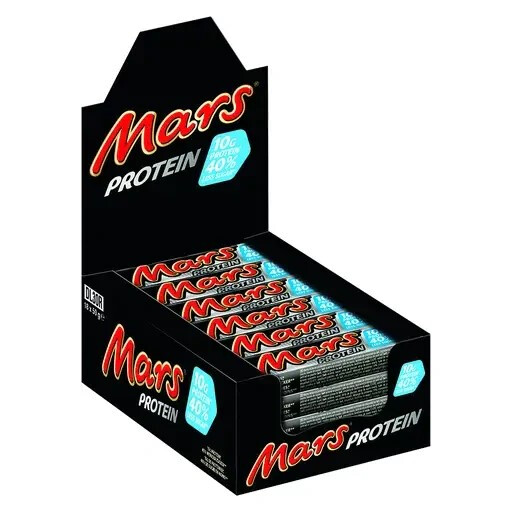
Mars Protein Bars, 18 × 50 g
For anyone looking for a portioned chocolate bar with a stated protein content and wanting to compare its sugar content with other bars.
The product name states that the pack contains 18 bars weighing 50 g each. Check the sugar and allergen information in the nutritional details and ingredients for this variety.
View at Joybuy
 No image available
Power System 32% Protein Bite Power Banana, 35 g
A single 35-g snack to enjoy on the go if you prefer the banana variety.
The product name states that this is one 35-g piece. If you’re vegetarian or vegan, or have allergies, check the protein sources and allergen information.
View at Joybuy
Frequently asked questions about protein bars
What does ‘high protein’ mean on a bar?
According to the German Nutrition Society, a product must get at least 20% of its energy from protein to be labelled ‘high protein’. The number of grams per bar answers a different question: how much protein do you get from that bar? So compare protein and energy on the basis of the same portion size.
Do I need a protein bar after exercise at the Christmas market?
No, a protein bar isn’t essential after exercise. For adults who take part in recreational sport, the German Nutrition Society does not consider there to be an automatic increase in protein requirements for four to five moderate-intensity training sessions of 30 minutes each per week. A bar can be a convenient snack to take with you, but whether its protein content is relevant to you depends on the rest of your diet.
What should I look for in vegan bars or if I have allergies?
Check the ingredients and allergen labelling for the specific variety you want to buy. The Federal Office of Consumer Protection and Food Safety explains how important allergens are labelled in the ingredients list. Even a bar labelled vegan may carry warnings about possible traces of other allergens.
Are protein bars with no added sugar automatically easy to digest?
No, ‘no added sugar’ doesn’t tell you everything about how easy a bar is to digest. It may contain polyols, and according to the consumer advice centre, sugar substitutes can have a laxative effect when consumed in large amounts. Compare the information per portion and consider how well you tolerate these ingredients.
Can I find a bar listed online in my local shop too?
Not necessarily: the range in a local shop may differ from what’s shown online. REWE provides information that varies by location, while EDEKA notes possible differences between online information and the packaging for a documented bar. If you need a particular variety for your visit to the market, check in store.


