Hosts keeping an eye on energy values
If you’re putting out several snacks for a Christmas party, kcal per 100 g can help you compare specific varieties. The amount you plan to serve is also important when deciding how much to put out.


If you’re looking for a lower-energy alternative to classic potato crisps for a Christmas party, compare the nutritional information for specific varieties: funny-frisch lists 405 kcal per 100 g for Ofen Chips Paprika, Chio lists 539 kcal for Chips Ready Salted, and Lorenz lists 538 kcal for Crunchips Cheese & Onion. This is a comparison of these specific varieties, not a claim about every oven-baked crisp. When choosing what to serve, also consider portion size, salt, and the ingredients and allergen information on each pack.
If you’re putting out several snacks for a Christmas party, kcal per 100 g can help you compare specific varieties. The amount you plan to serve is also important when deciding how much to put out.
If you’re choosing between classic crisps and alternatives, check the energy and salt values as well as fat or protein. A claim about reduced fat alone doesn’t answer the question of calories, as Verbraucherzentrale NRW explains.
If your choices need to suit particular diets or allergies, read the ingredients list and allergen information on the specific pack. Similar types of snack can have different ingredients.
For your Christmas party, start by comparing the energy per 100 g of the varieties you’re actually considering. Then decide which portion sizes and ingredients are right for your guests.
| Criterion | What to check | Who it matters to |
|---|---|---|
| Energy and portions | Compare kcal per 100 g on the nutrition information and plan how much you’ll actually serve. | When I’m choosing crisps for the buffet, I want to see how their energy content compares with a specific classic variety and fill the bowl accordingly. Around 50% of consumers prioritise this comparison. |
| Choice for the buffet | Check the type of snack, flavour and pack size; a claim about reduced fat or protein doesn’t replace comparing energy values. | When putting together a varied selection of snacks, I want to know whether I’m serving classic potato crisps, oven-baked crisps or another type of snack. Around 30% of consumers prioritise this choice. |
| Ingredients and salt | Check the ingredients, allergen information and salt per 100 g on the current pack. | If guests need to avoid certain ingredients, I want to choose a suitable variety rather than assume what it contains from its name. For around 20% of consumers, this check comes first. |
Verbraucherzentrale NRW points out that a lower fat content doesn’t necessarily mean a corresponding reduction in energy.
For the specific varieties you’re comparing, check energy, fat and salt per 100 g.
Under the EU regulation on nutrition claims, solid foods can only be described as “low calorie” if they contain no more than 40 kcal per 100 g. A variety can contain less energy than other crisps without meeting this requirement.
When making a comparison, name the specific varieties and their kcal values rather than using a relative difference to call a product “low calorie”.
When you’re catering for a mixed group, ingredients and allergen information can matter just as much as nutritional values. You can’t tell whether a snack is suitable for an individual guest just from a name such as “protein crisps” or “oven-baked crisps”.
Check the labelling on every variety you buy before serving, and keep the packs handy in case anyone has questions.
The range includes oven-baked crisps and popped snacks, offering different options to compare.
Chips Ready Salted is used here as a specific classic potato crisp variety for comparison.
Crunchips Cheese & Onion is another specific classic variety for comparison.
The retailer stocks different types of crisps and may be an option when putting together a mixed selection.
This selection includes an oven-baked crisp variety, protein flips and potato sticks to suit different snacking preferences at your Christmas party. Compare the nutritional information on each specifically named pack; these snacks aren’t interchangeable versions of the same type of crisp.
 No image available
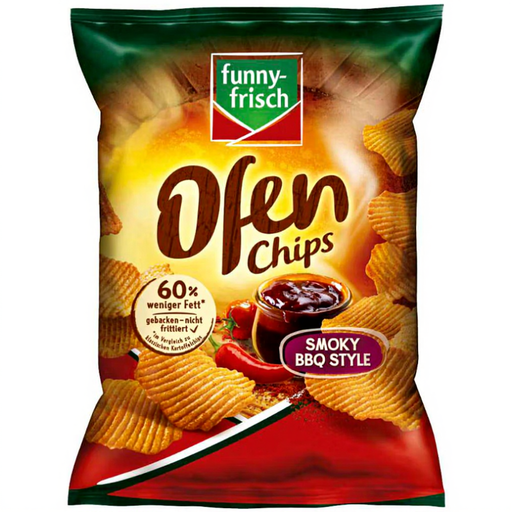
A variety of oven-baked crisps for the buffet; the pack contains 115 g. For an accurate energy comparison, check the nutritional information for this exact Smoky BBQ variety, not a differently named paprika variety.
 No image available
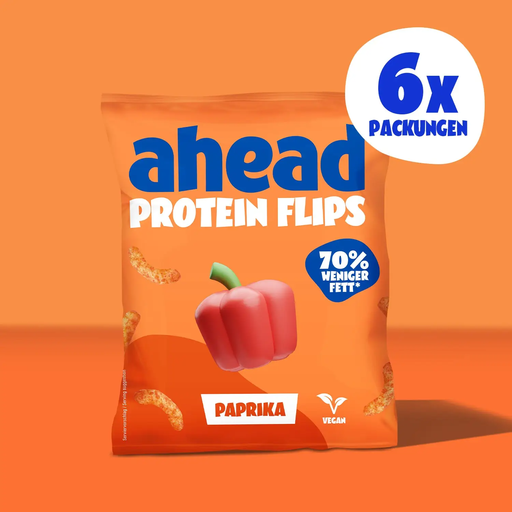
Individually packed flips to complement your selection of crisps; the tray contains six 50 g packs. Flips aren’t classic potato crisps, so it’s worth checking their ingredients and nutritional information separately.
 No image available
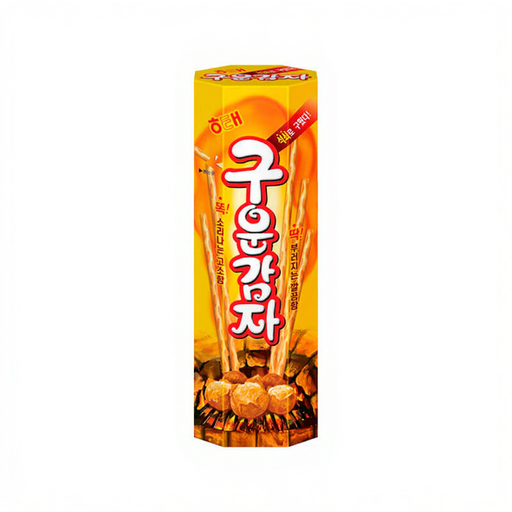
A small pack of potato sticks to serve alongside your classic crisps; the pack weighs 27 g. Compare the nutritional information for this product directly with the crisp varieties you’re also planning to serve.
Not simply because they compare favourably with classic crisps. Under the EU regulation on nutrition claims, solid foods can only be described as “low calorie” if they contain no more than 40 kcal per 100 g. For a relative comparison, name the specific varieties and their energy values instead.
No, you can’t determine the energy content from these figures alone. Verbraucherzentrale NRW specifically points out that less fat doesn’t automatically mean a corresponding reduction in calories, so compare the energy per 100 g.
You could start by putting smaller amounts in bowls and topping them up as needed. A portion size on the pack can help you work out the energy content, but it isn’t a recommendation tailored to individual guests.
Read the ingredients list and allergen information on each specific pack before serving the snacks. The brand name or descriptions such as oven-baked crisps, flips or classic crisps are no substitute for checking the label.