
Lieferung heute & morgen

Qualitätsgarantie

Willkommens-Angebote freischalten: KOSTENLOSE Lieferung | Bis zu 80 % RABATT | Kostenlose 30-Tage-JoyPlus-Testphase
App herunterladen
Christmas sweets are part of Advent for many families. They’re served on a festive platter, given as a little gift or shared at gatherings. There’s plenty to choose from, including Christmas chocolate, Christmas pralines, boiled sweets, fruit gums and chocolate balls. But festive packaging doesn’t tell you much about what’s inside, the portion size or whether the sweets are right for the occasion.
If you’re shopping online, look out for three common pitfalls:
Common ingredients or potential traces in chocolate and pralines include milk, hazelnuts, almonds, soya and gluten. Before buying, compare the ingredients list with the needs of the person you’re buying for. If a product contains gelatine, it’s also worth checking the information provided, which may specify whether it comes from beef or pork.
Claims such as ‘vegetarian’, ‘gluten-free’ or ‘alcohol-free’ should also be confirmed in the product information. For example, the Lindt Christmas Mix Classic Chocolate Balls assortment is described as alcohol-free, vegetarian and gluten-free. However, hazelnuts, almonds, milk, soya and barley are also listed as ingredients or allergens.
For sweets to give as a gift, it’s particularly useful to look at both the weight and the number of individual portions. A 90 g pack containing five individually wrapped pralines is quite different from a 260 g pack with 20 chocolate balls for a larger group.
Check the:
This makes it easier to judge whether a pack is suitable as a small gift, for an Advent calendar or for a Christmas party.
Chocolate should generally be stored in a cool, dry place away from direct sunlight. Heat can affect its surface and texture. Once a pack is open, it’s best to enjoy the sweets soon, particularly if they aren’t individually wrapped.
For households with children, age recommendations and warning labels are also important. Some fruit gum and marshmallow products are labelled as suitable from age three. Children should be supervised while eating sweets if their shape, size or texture could pose a greater choking risk.
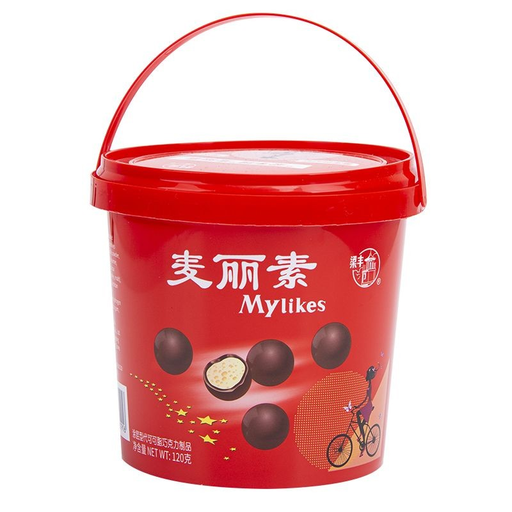
Why it suits this shopper: The resealable tub and 120 g contents make these a handy treat to share during a film night, with a small group or as an easy Advent treat.
The net weight and packaging format are clearly stated. The chocolate balls are ready to eat, with no preparation needed.
120 g tub; crunchy malt centre with a cocoa coating; contains milk, soya and barley.
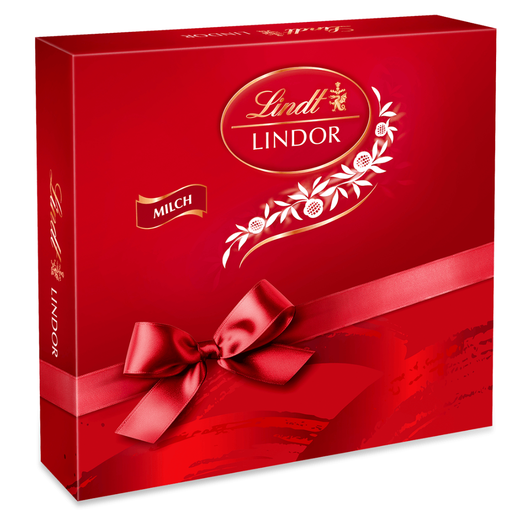
Why it suits this shopper: With 15 individually portioned milk chocolate balls, this gift box is ideal for a more formal gift or for sharing.
The number of pieces and total weight are clearly stated, making it easier to judge the size of the gift before buying.
187 g and 15 balls; milk chocolate with a centre described as liquid; may contain hazelnuts and almonds.
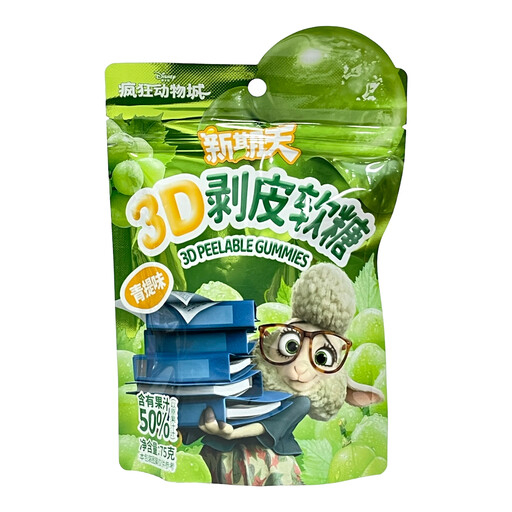
Why it suits this shopper: The 32 individual packs are handy for larger families, party bags, Advent calendars or decorating a festive sweet station.
The multipack states both the number of bags and the weight per bag. Take note of the warning that it is not suitable for children under three.
32 bags of 75 g each; soft, peelable gummy sweets; no allergens are listed in the product information.
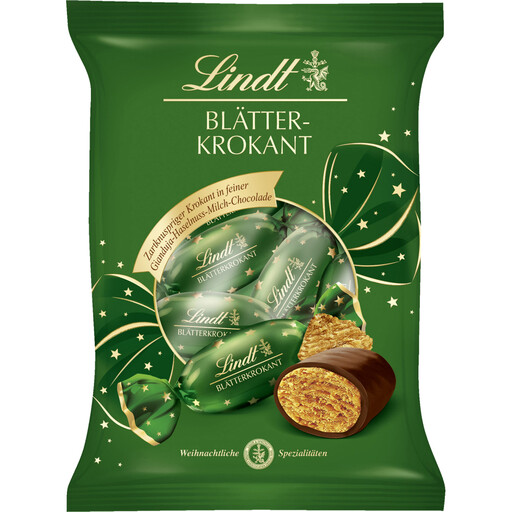
Why it suits this shopper: Five individually wrapped pralines in festive packaging make a lovely little gift, a treat to serve with coffee or an addition to a Christmas platter.
The number of pieces and total weight are stated. Individual wrappers help limit exposure to air and make portioning easier.
90 g and five pieces; gianduja milk chocolate with crispy wafer pieces; contains hazelnuts, milk and soya.
We’ve put together a complete, regularly updated list of products that meet these strict selection criteria and fully comply with the safety regulations in force in the EU.
If you’re after a classic Lindt Christmas collection, filled chocolate balls, Double Twist varieties or mixed packs could be worth considering. According to the product information, the Lindt Christmas Almond Caramel & Salt Milk Chocolate Bag contains 25% caramelised almonds and has notes of cinnamon, coriander and salt. Check the ingredients list before giving it as a gift, as it contains almonds, hazelnuts, milk and soya.
If you’re looking for boiled sweets, there are plenty of different textures and flavours to choose from. Sugar-free products aren’t automatically free from sugar in the nutritional sense and may contain sweeteners. Werther’s Original Sugar-Free Cream Hard Candies also carry a warning that excessive consumption may have a laxative effect.
Individually wrapped pralines, a box of chocolates or an assorted pack with a clearly stated number of pieces are practical gift options. If you don’t know someone’s preferences, it’s a good idea to choose a selection without alcohol and with easy-to-read allergen information. A small 90 g pack works well as a little gift, while larger boxes are better for sharing.
Store chocolate in a cool, dry place away from direct sunlight. Significant changes in temperature can affect its surface. After opening, reseal the pack according to the manufacturer’s instructions and enjoy the contents soon.
That depends on the child’s age and the sweets’ shape, size and texture. Follow product guidance such as ‘from age three’. Don’t give children small, hard or sticky sweets without supervision. Also check the packaging for information about colourings and allergens.