
Lieferung heute & morgen

Qualitätsgarantie

Willkommens-Angebote freischalten: KOSTENLOSE Lieferung | Bis zu 80 % RABATT | Kostenlose 30-Tage-JoyPlus-Testphase
App herunterladen
Sensitive skin doesn’t just react to weather, central heating or frequent washing. The wrong skincare choice can also lead to tightness, stinging or visible redness. A cica cream for sensitive skin is often marketed as a soothing, barrier-strengthening product. But the term “cica” alone doesn’t tell you much about the texture, tolerance or actual intended use.
Centella Asiatica, also known as tiger grass or cica, is included in many formulations. However, other ingredients such as glycerin, panthenol, ceramides, squalane or hyaluronic acid also matter when making your choice. A face cream with Centella Asiatica can be formulated as a light gel or a rich, protective balm. The extract alone doesn’t determine whether it suits dry, oily or reactive skin.
Some products for sensitive skin contain perfume or declared fragrance allergens. This applies, for example, to certain VT-Cosmetics, TOCOBO or hand cream formulations. If you react to fragrances, you should check the current INCI list on the packaging rather than just looking at the front of the tube.
A cica repair cream with retinol, niacinamide, acids or tea tree extract can serve a different purpose than a minimal moisturiser for sensitive skin. More active ingredients don’t automatically mean better tolerance. Especially with irritated skin, a simple routine is often easier to manage.
For dry or tight skin, humectants such as glycerin and hyaluronic acid, as well as lipids like ceramides, plant oils or shea butter, are relevant. They can complement your skincare and help retain moisture in the skin’s surface.
A light, soothing face cream with a gel texture is often suitable for combination or oily skin. Richer products with ceramides, waxes or oils tend to suit drier areas. For skin prone to blemishes, the entire formulation should be considered, not just the label “cica cream for blemishes”.
Check whether perfume, essential oils, alcohol or declarable fragrance allergens are included. Fragrance-free doesn’t automatically mean it will suit you personally, but it can be a sensible starting point for sensitive skin. Before applying it to a large area for the first time, it’s advisable to test it on a small patch of skin. If redness, stinging or swelling persists, stop using it and seek medical advice if needed.
A 20 to 50 ml tube is practical for the face and for travel. Larger sizes such as 75 or 100 ml are better for regular use. For very dry hands, specialised products are often more suitable than a face cream. A hand cream for dry hands should be checked particularly for shea butter, glycerin, panthenol or other protective ingredients.
With active formulations, remember: retinol should initially be used at longer intervals. Acids and other exfoliants shouldn’t be applied at the same time without caution. During the day, a suitable sunscreen should be part of your routine.
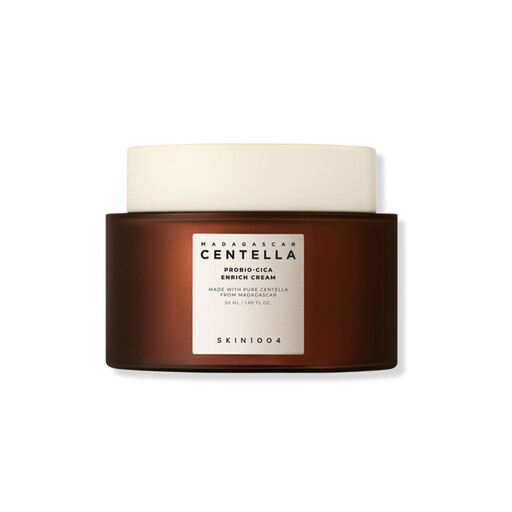
Why this product suits the profile: According to the product description, this richer formula combines fermented Centella, ceramides, panthenol and plant oils for dry or stressed skin.
The description explicitly states the absence of artificial fragrances and colourants. However, the current packaging information remains the definitive source.
Ceramide NP, fermented Centella and a rich, smooth texture according to product claims.
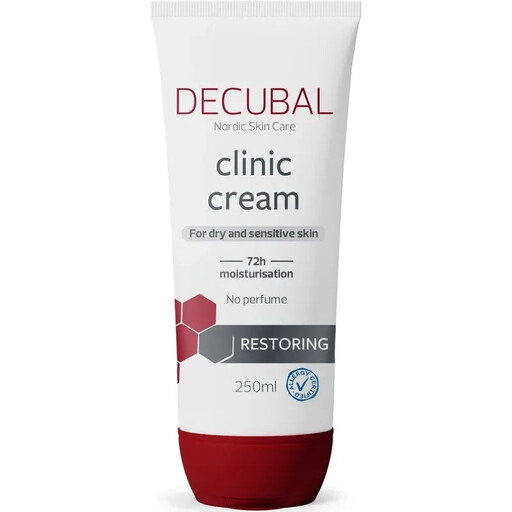
Why this product suits the profile: The 250 g size is designed for frequent use on very dry body areas and hands. According to the product description, the cream is free from perfume and colourants.
The larger quantity and absence of perfume address the typical issues of small tubes and unnecessary fragrances with heavy use.
250 g, 38 % lipid content according to the product description, and suitable for head-to-toe use.
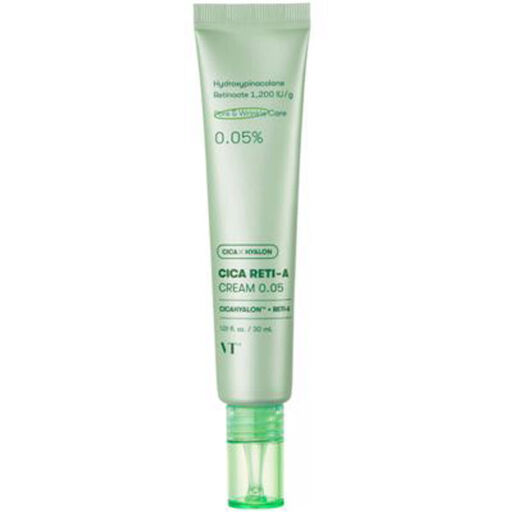
Why this product suits the profile: According to the product description, this Korean cica cream combines 0.05 % retinol, HPR, Centella, panthenol and hyaluronic acid. It is aimed at users who want to use active ingredients in a targeted way.
The product information recommends a slow start, avoiding simultaneous use of acids, and daily sun protection. This clearly addresses typical application mistakes.
30 ml, retinol and HPR in a CicaHyalon formulation according to the product description.
Apply a cica cream to dry skin after cleansing. Start with a small amount and adjust the frequency based on how your skin reacts. With a face cream for irritated skin, it’s best to keep your routine as simple as possible. Introduce new products one at a time so that any reactions can be identified.
For dry hands, apply the cream straight after washing them. Rich hand creams can be applied more thickly in the evening; during the day, fast-absorbing textures are more practical.
That depends on your skin condition and the ingredients. Fragrance-free products with Centella, glycerin, panthenol or ceramides can be a sensible starting point. What really matters is the full INCI list and how well it suits you personally.
Many cica creams are intended for daily use according to the product information. However, with products containing retinol, acids or several active ingredients, you should start slowly. If irritation occurs, stop using it.
The printed best-before date, the symbol for shelf life after opening and the information on the packaging are what count. Store the cream with the lid on, in a dry place away from direct sunlight. Changes in smell, colour or consistency can indicate that the product has altered; if in doubt, don’t continue using it.