
Lieferung heute & morgen

Qualitätsgarantie

Willkommens-Angebote freischalten: KOSTENLOSE Lieferung | Bis zu 80 % RABATT | Kostenlose 30-Tage-JoyPlus-Testphase
App herunterladen
Sensitive skin doesn’t react the same way to every face cream. Tightness, dryness, visible redness or a greasy film can occur when the formula doesn’t suit your skin type. A cica cream for sensitive skin is often chosen for its Centella Asiatica content, also known as cica. However, the plant extract alone doesn’t tell you much about how well the product will work in your daily routine.
Marketing often highlights specific percentages or so-called active ingredient complexes. But tolerability also depends on other components: fragrances, essential oils, alcohol, oils, silicones and the overall texture. A cream with Centella Asiatica can feel lightweight, while another is formulated to be much richer.
The label isn’t a personal guarantee of tolerability. If you react to fragrances, look for a fragrance-free or unscented formula. For very reactive skin, simpler formulations are also a good idea. Always check the current ingredients list on the packaging, as formulations can change between production batches.
Some products care for the skin, while others contain colour pigments for optical correction. A green-tinted cica cream can temporarily make redness less visible, but it doesn’t replace individual skincare. If you have persistent or severe skin concerns, you should have the cause checked by a doctor.
Centella Asiatica Extract, Centella Asiatica Leaf Extract and Madecassoside are typical components of a Centella Asiatica cream. For dry or tight skin, glycerin, panthenol, hyaluronic acid, squalane or ceramides can also be beneficial. Ceramide NP, cholesterol and phytosphingosine are often used in formulations aimed at supporting the skin barrier.
The position of an ingredient in the INCI list can give you a rough idea of the amount present. However, it doesn’t provide a reliable indication of individual effectiveness or tolerability.
A moisturiser for sensitive skin should fit into your existing routine as smoothly as possible. If you already use acids, exfoliants or retinoids, don’t introduce several potentially irritating products at once. When trying a new product, it’s best to start with a small amount on an inconspicuous area of skin.
When applying: cleanse your face, use an appropriate amount and spread it gently. Vigorous rubbing isn’t helpful for irritated skin. In the morning, always add a suitable sunscreen to your routine. If you experience stinging, increased redness or a rash, stop using the product.
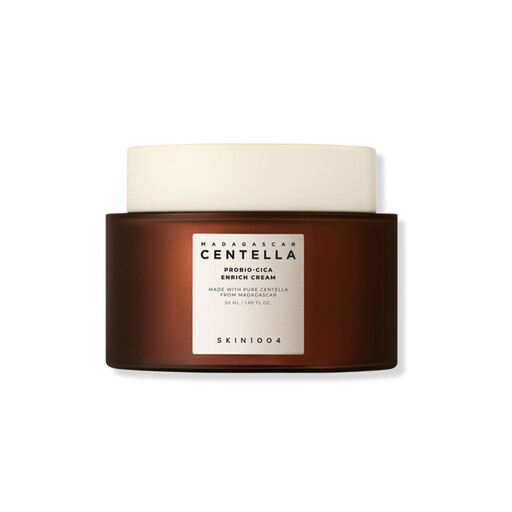
Why this product fits the profile: This richer formula combines a fermented Centella Asiatica complex, Ceramide NP, panthenol and plant oils. It’s aimed at those looking for a barrier-strengthening cream with a nourishing texture.
The details clearly distinguish between rich care and a lightweight finish. Shoppers can check whether a nourishing cream suits their skin feel, rather than relying solely on the term “cica”.
Ceramide NP, fermented Centella and a formula described as free from synthetic fragrances.
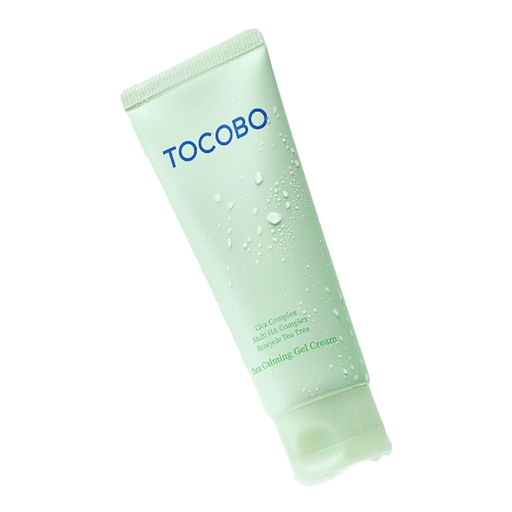
Why this product fits the profile: This 75ml gel cream is designed for a light, fast-absorbing application. It suits combination skin, warm indoor environments or anyone who doesn’t want a heavy layer under their sunscreen in the morning.
The gel-like consistency and larger volume help avoid a sticky or overly greasy feel. The ingredients list does contain fragrance, so sensitive users should take note.
75ml size, lightweight gel cream texture, Centella Asiatica extract plus ceramides and hyaluronic acid in the formula.
We’ve put together a full, regularly updated list of products that meet these strict selection criteria and the safety regulations in force in the EU.
A cica cream is typically used as the last step in your skincare routine. With a non-greasy face cream, a small amount is usually enough; richer products can be applied in the evening or only on dry areas. The packaging should be closed after use and kept away from direct sunlight and heat. The best-before date or period-after-opening symbol on the product is what matters for how long you can use it.
That depends on the complete formulation and your individual tolerance. Fragrance-free products can be a sensible choice, but they’re no guarantee of problem-free use. New products should be tested carefully and on a small area first.
Many products are intended for both morning and evening use, according to their instructions. The exact frequency depends on the texture, how your skin feels and what other skincare products you use. If you experience stinging, a rash or increased redness, stop using the product.
The open-jar symbol on the packaging gives you a guide, for example “12M”. You should also keep an eye on the smell, colour and consistency. If you notice any unusual changes or the stated period has passed, don’t continue using the product.