People who eat strictly gluten-free
If you need to avoid gluten completely, look for a clear gluten-free label on the bar. Check separately for any other allergens that matter to you: a gluten-free claim doesn’t cover them.


When choosing a snack bar for the cinema, the first thing to consider is which ingredient you need to avoid. If you follow a strict gluten-free diet, check the labelling on the specific bar; if you have an allergy, read the ingredients list and any relevant ‘may contain’ information. ‘Vegan’ and ‘no added sugar’ don’t answer these questions: a plant-based bar, for example, may contain nuts.
If you need to avoid gluten completely, look for a clear gluten-free label on the bar. Check separately for any other allergens that matter to you: a gluten-free claim doesn’t cover them.
Whether you need to avoid tree nuts, peanuts, milk, soya or sesame, the information for the specific bar is what matters. Read the ingredients list and check for any ‘may contain’ information about the allergens relevant to you.
A vegan recipe helps you choose a bar without animal-derived ingredients. But on its own, it tells you nothing about whether the bar is also gluten-free or free from nuts and other allergens.
Start by deciding which ingredient you most need to avoid. Then compare the full details for each individual bar, rather than treating ‘free from’ claims on the front of the pack as a blanket guarantee.
| Criterion | What to check when buying | Who it matters most to |
|---|---|---|
| Specific allergens | The ingredients list, highlighted allergens and any relevant ‘may contain’ information for the specific bar. | If I need to avoid a particular allergen, a general ‘free from’ label isn’t enough. For around 36% of consumers, avoiding an allergen that affects them personally comes first. |
| Gluten-free | A clear gluten-free label; check for other allergens separately. | If I follow a strict gluten-free diet, I want to rely on the labelling for the specific product. Around 29% of consumers prioritise gluten-free options. |
| Vegan recipe | Look for a vegan label or check the ingredients for animal-derived ingredients; consider nuts and gluten separately. | I’m looking for a bar without animal-derived ingredients, but that doesn’t mean I can automatically tolerate every plant-based ingredient. Around 21% of consumers put a vegan recipe first. |
| Ingredients and portion size | An easy-to-read ingredients list and a suitable single portion; check for allergens even when there are only a few ingredients. | For a trip to the cinema, I want a handy bar with ingredients I can check quickly in advance. Around 14% of consumers prioritise this straightforward choice. |
The crossed-grain symbol identifies gluten-free foods containing less than 20 mg/kg of gluten under the AOECS standard, as explained by Control Union Certifications Germany. It says nothing about nuts, milk, soya or other ingredients in the individual bar.
‘Gluten-free’, ‘vegan’ and ‘no added sugar’ refer to different product characteristics. RAWBITE, for example, lists almonds and cashews among the key ingredients in its fruit and nut bars.
Decide which ingredient you most need to avoid, then read the ingredients list and check the allergen and ‘may contain’ information relevant to you.
For its MadeGood Organic Mornings Bar, glutenfrei genießen explains that its filter identifies ingredients in the product but doesn’t take possible ‘may contain’ information into account.
Use filters to narrow down your choices, then check the details on the pack you actually buy before eating the bar.
Paleomio describes its seed bar as nut-free, but lists sesame as an allergen and notes that it may contain traces of other tree nuts.
As well as checking the nut information, look for any other allergen you need to avoid. A warning about one allergen doesn’t replace the rest of the product information.
A warning such as ‘may contain nuts’ doesn’t specify the possible amount or your individual risk, as Lebensmittelklarheit explains.
Don’t assume the wording tells you what amount is safe. If it doesn’t give you enough information to decide, check the details for the specific product with the manufacturer.
These examples show why a bar’s suitability depends on the individual product and its ingredients, not just the brand name.
Fruit and nut bars for people looking for a plant-based recipe who can tolerate the nuts used.
HistaFood describes its Organic KörnerRiegel, among other things, as gluten-free, lactose-free and vegan.
Paleomio offers a seed bar that the supplier describes as nut-free and gluten-free.
The Organic Mornings Bar is described by glutenfrei genießen as a gluten-free and vegan option, with several ingredients specifically excluded.
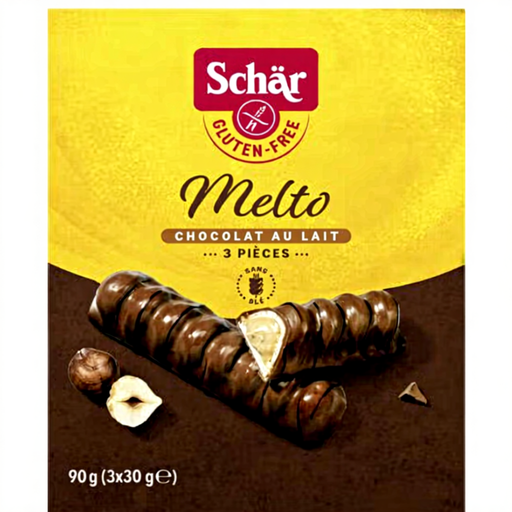
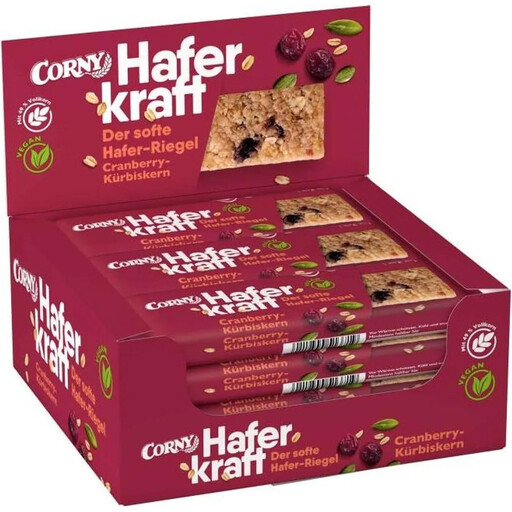
These bars cater for different snack-on-the-go preferences: a wafer bar labelled gluten-free and two plant-based options, each with its own ingredients and exclusions. Before buying, compare the allergens that matter most to you.
 No image available
An option if gluten is the main ingredient you need to avoid and you can tolerate hazelnuts, milk and soya.
The pack contains three 30 g bars. According to the product information, they may also contain traces of peanuts and other nuts; check the labelling on the pack.
 No image available
A vegan snack option, provided gluten-containing oats aren’t something you need to avoid.
The pack contains twelve 50 g bars. If you have allergies, check the pack for information about possible traces of tree nuts, peanuts, egg, lupin, sesame and milk.
 No image available
A vegan bar option if peanuts, wheat protein and soya are all suitable for you.
The pack contains twelve 55 g bars. ‘Vegan’ doesn’t mean gluten-free or allergen-free, so check the ‘may contain’ information on the pack before buying.
No. A vegan recipe doesn’t rule out nuts, peanuts or sesame. RAWBITE lists almonds and cashews among the key ingredients in its bars, so check the ingredients and any ‘may contain’ information for every variety.
The warning refers to possible accidental contamination, not an ingredient that has been deliberately added. According to Lebensmittelklarheit, it doesn’t tell you the amount or the specific level of risk. If you have the relevant allergy, check whether the information is enough to help you make a decision for your individual circumstances.
Look for a gluten-free label on the specific product. Under the AOECS standard, the crossed-grain symbol indicates gluten-free foods containing less than 20 mg/kg of gluten, as explained by Control Union Certifications Germany. You still need to check the product information for other allergens.