
Lieferung heute & morgen

Qualitätsgarantie

Willkommens-Angebote freischalten: KOSTENLOSE Lieferung | Bis zu 80 % RABATT | Kostenlose 30-Tage-JoyPlus-Testphase
App herunterladen
The daily commute to work, a trip to the shops, or a leisurely ride through the park—the demands on urban mobility are diverse. Many city dwellers and commuters are looking for a practical alternative to cars or crowded public transport. The right city bike can be an efficient and flexible solution. But the selection is vast, ranging from the classic city bike and the space-saving folding bike to the supportive city e-bike.
This article serves as a guide. We will introduce different types of bicycles, explain important features, and present a selection of models to make it easier for you to choose your next bike for the city.
The choice of the right bicycle depends heavily on your individual needs. The following points will help you define your priorities and make an informed decision.
Not every bicycle is equally suited for every purpose. The fundamental decision often comes down to three main types:
Especially in urban environments, weight and dimensions play a significant role. If you have to carry your bike up to the third floor or store it in a train compartment every day, every kilogram makes a difference. A lightweight folding bike under 12 kg is much easier to handle than a heavier model. For folding bikes, pay attention to the specified folded dimensions (Length x Width x Height) to ensure it fits into your intended storage space.
To be legally and safely used on public roads in Germany, a bicycle must be StVZO-compliant. This means it must have a functioning lighting system (front and rear), reflectors, and a bell. Practical accessories like mudguards protect your clothing from dirt and water, while a sturdy luggage rack allows you to transport groceries or a work bag.
Based on the criteria mentioned, we have compiled a selection of bicycles suitable for various urban use cases.
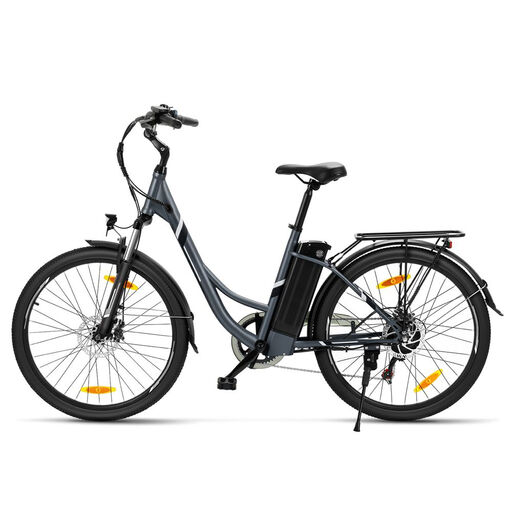
What Sets This Model Apart
The Touroll B1 is designed as a city e-bike that prioritises comfort and range. The step-through frame makes it easy to get on and off, which is a great advantage in city traffic with frequent stops. The high-capacity battery allows for extended rides without constantly worrying about the next charge.
Advantages:
Who Is It For? This model is an excellent choice for commuters with longer or hilly routes, as well as for users looking for a comfortable bike for the city for extended leisure rides.
View the Touroll B1 on Joybuy.de
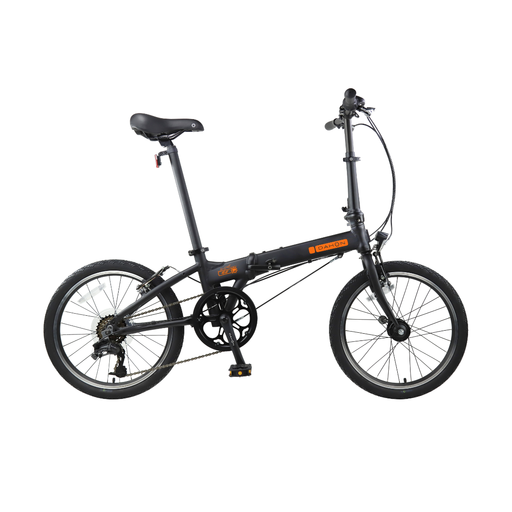
What Sets This Model Apart
The DAHON HIT D6 is a practical folding bike tailored to the needs of commuters. It combines a relatively low weight with a solid set of features, including mudguards and a luggage rack, making it a ready-to-go companion for daily use.
Advantages:
Who Is It For? Ideal for multimodal commuters who regularly switch between cycling and public transport and are looking for a straightforward, reliable folding bike with a complete set of features for daily use.
View the DAHON HIT D6 on Joybuy.de
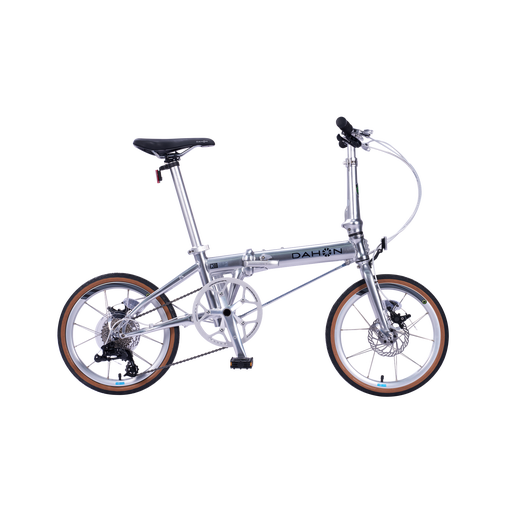
What Sets This Model Apart
The DAHON K9 focuses on minimal weight and high-quality technical components. At just 10.4 kg, it is exceptionally light, which makes carrying it up stairs or through train stations significantly easier. The 9-speed derailleur and disc brakes set it apart from many other compact bikes.
Advantages:
Who Is It For? This folding bike is aimed at discerning commuters for whom every gram counts and who value a precise drivetrain and strong brakes without compromising on portability.
View the DAHON K9 on Joybuy.de
The models presented here already cover a broad spectrum of needs. However, if you want to compare more bicycles or get an overview of other variants, you will find a larger selection of models for urban use in our Unisex Bicycles category.
A city bike is primarily designed for paved paths in the city. It is characterised by a comfortable, upright riding position and features tailored to urban traffic. A trekking bike is more versatile and is also suitable for longer tours on unpaved paths. It typically has more gears and a more athletic riding posture.
Pedelecs (Pedal Electric Cycles), whose motor only provides assistance when you pedal, have a maximum nominal power of 250 watts, and cut off at 25 km/h, are legally considered bicycles. For these models, like the Touroll B1 presented here, neither insurance, a license, nor a number plate is required.
Weight is a critical factor if you need to carry the bike regularly—whether on the subway, at the office, or up the stairs to your apartment. A difference of two to three kilograms is clearly noticeable in daily use and can significantly impact convenience. Lighter models are easier to handle and encourage you to use the bike flexibly in your daily routine.