
Lieferung heute & morgen

Qualitätsgarantie

Willkommens-Angebote freischalten: KOSTENLOSE Lieferung | Bis zu 80 % RABATT | Kostenlose 30-Tage-JoyPlus-Testphase
App herunterladen
Choosing the right city e-bike can be overwhelming given the vast array of models and technical specifications. Many purchasing decisions are based on marketing promises that prove impractical or costly in daily use. This guide will help you identify the crucial features and avoid common pitfalls, so you can make an informed decision for your daily commute or a relaxed weekend tour.
Before we dive into the important technical details, you should be aware of the most common traps that often lead to dissatisfaction and unexpected costs.
To make a sustainable and satisfying choice, focus on three core technical aspects. These are the primary determinants of comfort, safety, and riding enjoyment.
The motor's position is crucial for the bike's balance and handling. For a city e-bike, an e-bike with a mid-drive motor is typically the most balanced solution.
For daily use in the city, being able to mount and dismount easily is essential.
A bicycle is only considered roadworthy if it is StVZO-compliant. This means it must have a permanently installed lighting system (headlight and taillight, often powered by the e-bike's battery), the required reflectors, and a bell. Many sporty-looking models sold online do not meet these requirements and cannot be used on public roads in Germany without expensive retrofitting. Look for this specific information in the product description.
Here are some recommendations tailored to different needs and the quality criteria mentioned above.
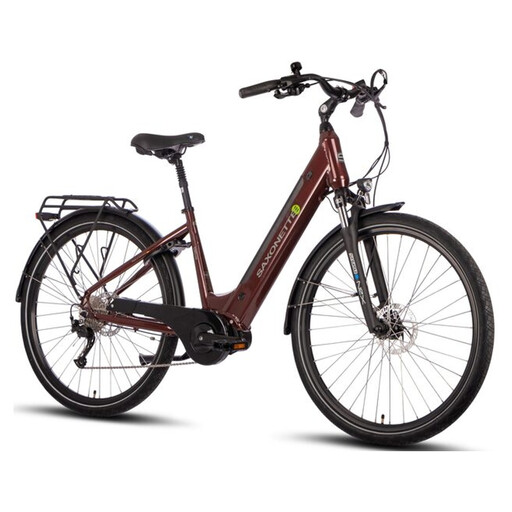
Why This Fits Their Persona: Ideal for commuters and tour riders who place the highest value on comfort, safety, and a natural riding experience. The step-through frame and high-quality components make it the perfect companion for daily errands and extended excursions.
This model avoids the "deceptive motor" trap by using a mid-drive motor that ensures excellent balance. It uses Shimano components and is fully StVZO-compliant, which prevents hidden retrofitting costs.
The combination of a mid-drive motor, hydraulic disc brakes, and a step-through e-bike frame offers maximum riding comfort and safety in city traffic.

Why This Fits Their Persona: Perfect for commuters who need to take their bike on public transport or store it in the office or their apartment. The wide tyres provide additional comfort on cobblestones and uneven paths.
This bike solves a specific problem: lack of space. The focus is on its folding capability, which is more important for this target audience than the motor type. Before using it on public roads, check if retrofitting is necessary for StVZO compliance.
Compact folded size for maximum flexibility. The 4.0-inch fat tyres act as natural suspension and enhance riding comfort on varied urban surfaces.
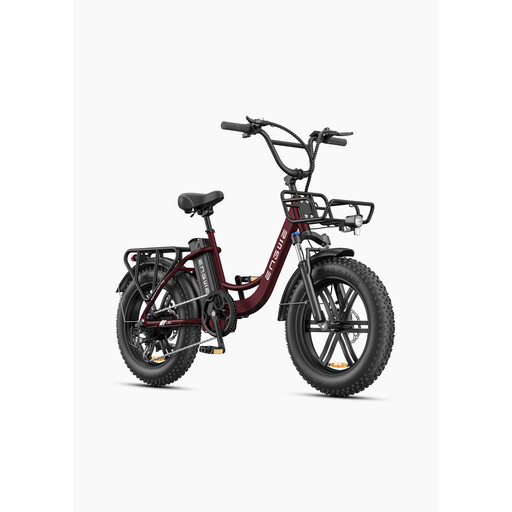
Why This Fits Their Persona: For riders seeking a robust, eye-catching e-bike that performs well both in the city and on paved forest and country paths. The step-through frame combined with fat tyres offers a unique blend of comfort and versatility.
This model counters the "range trap" with a powerful 48V 13Ah battery that delivers a solid range even with the more energy-intensive fat tyres. The step-through frame ensures high ergonomic comfort.
The combination of a comfortable step-through design and 4.0-inch fat tyres provides high stability and cushioning on various surfaces. The high battery capacity is ideal for longer trips.
We have compiled a complete, up-to-date list of products that fully meet these strict selection criteria and German safety regulations.
A modern lithium-ion battery typically lasts for 500 to 1,000 charge cycles. With regular use, this corresponds to a lifespan of about three to six years. The cost of a replacement battery varies significantly depending on the manufacturer and capacity, usually ranging from €400 to €800. Investing in a model with a quality battery from an established manufacturer can pay off in the long run.
No, in Germany, you do not need a licence or an insurance plate for a so-called Pedelec (Pedal Electric Cycle). The requirement is that the motor has a maximum rated continuous power of 250 watts and the assistance cuts off at a speed of 25 km/h. All models presented here fall into this category and are legally treated as regular bicycles.
For most city or trekking e-bike applications, the answer is yes. An e-bike with a mid-drive motor offers a more balanced, stable, and intuitive riding experience because the centre of gravity is low and central. Power is transferred directly at the bottom bracket, which is more efficient, especially on inclines. Rear or front motors can create the sensation of being pushed or pulled, which many riders find less natural.