
Lieferung heute & morgen

Qualitätsgarantie

Willkommens-Angebote freischalten: KOSTENLOSE Lieferung | Bis zu 80 % RABATT | Kostenlose 30-Tage-JoyPlus-Testphase
App herunterladen
The daily commute in major cities is often defined by traffic jams, public transport delays, and the endless search for parking. A city e-bike offers an increasingly popular and practical alternative, allowing you to navigate traffic efficiently and sustainably. However, the market is vast, and the technical differences can be overwhelming for many.
This guide is here to help. We'll highlight the key features to consider when making your choice and present a selection of bikes designed for various urban needs. Our goal is to provide you with an informed basis for your decision.
The right choice depends on your individual needs. However, three technical aspects are particularly crucial for daily use, comfort, and maintenance.
Power is traditionally transferred from the pedals to the rear wheel via a chain. A modern alternative is an e-bike with a belt drive.
The position and type of motor significantly influence the bike's ride feel and balance.
The most common wheel size for city and trekking e-bike models is 28 inches. This size offers a good compromise between smooth rolling at higher speeds and agile handling in city traffic. However, more important than wheel size alone is the correct frame size. An ergonomically fitted bike prevents fatigue and discomfort on longer rides and ensures greater safety and control.
Based on the criteria mentioned, we have compiled a selection of models that cover the diverse needs of city dwellers.
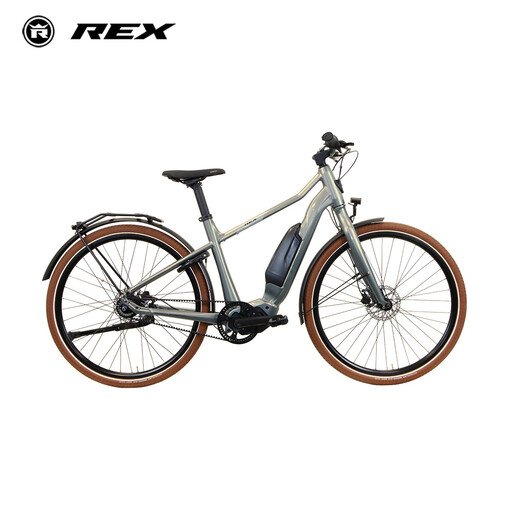
Why it stands out: The Rex Commuter S is consistently designed for the needs of commuters. The combination of the quiet Shimano STEPS E5000 mid-drive motor and the clean Gates Carbon Drive belt drive makes it an extremely low-maintenance and reliable companion for daily use.
Advantages:
Who is it for? This model is aimed at the discerning commuter looking for a technologically advanced, durable, and above all, low-maintenance e-bike for the daily commute and weekend tours.
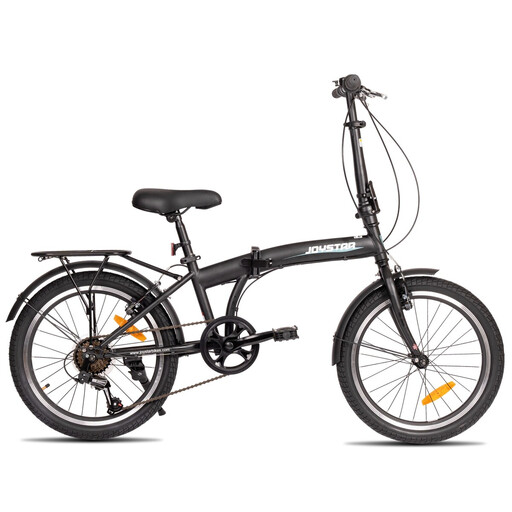
Why it stands out: The main feature of the JoyStar Super is its portability. As a non-electric folding bike, it can be reduced to a compact size in just a few steps, making it ideal for combining cycling with public transport.
Advantages:
Who is it for? This bike is designed for commuters whose journey involves using a bus or train (multimodal mobility) or for those with limited storage space at home or in the office. It's a flexible solution for shorter distances.
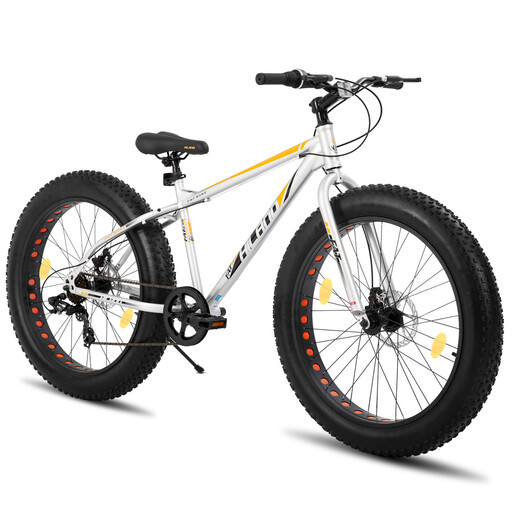
Why it stands out: The wide 4.0-inch fat tyres on the HILAND Roon are impossible to miss. This non-electric mountain bike is designed for terrain where standard bikes reach their limits.
Advantages:
Who is it for? The HILAND Roon is an option for riders whose daily route includes not just paved roads but also park trails or unpaved sections. It's also a versatile bike for recreational rides off the beaten path.
This selection covers specific user profiles. If you're looking for particularly lightweight frame materials or sportier geometries, you'll find more models in our broader collection. In particular, bikes with carbon frames offer high stiffness at a low weight.
Discover our full range of carbon bikes
An e-bike with a belt drive offers three key advantages over a traditional chain:
In the EU, pedelecs (the legal category for most e-bikes) are limited to a nominal continuous motor power of 250 watts and pedal assistance up to a speed of 25 km/h. More crucial for the urban riding experience is the torque, measured in Newton-metres (Nm). For typical city use with occasional inclines, values between 40 and 50 Nm, as provided by the Shimano STEPS E5000 motor, are generally more than sufficient for quick starts and smooth assistance.
Yes, a trekking e-bike is often an excellent choice for city traffic. Compared to pure city bikes, they are usually built more robustly and are designed for longer distances. They typically feature a wider gear range, sturdier frames, and are already prepared for mounting racks and panniers. This makes them a very versatile commuter e-bike for those who also want to use their bike for weekend trips or weekly shopping.