
Lieferung heute & morgen

Qualitätsgarantie

Willkommens-Angebote freischalten: KOSTENLOSE Lieferung | Bis zu 80 % RABATT | Kostenlose 30-Tage-JoyPlus-Testphase
App herunterladen
A clamp-fit pleated blind without drilling is particularly suitable for rented homes, frequently changing living arrangements and windows where you want to avoid permanent drill holes. However, not every model will fit every window. Inaccurate measurements, misjudging how much light a fabric lets through or choosing an unsuitable mounting surface can all lead to the wrong purchase.
This buying guide explains what to look for in a clamp-fit pleated blind, a pleated roller blind or an indoor sun blind.
For many products, the stated width includes the entire blind, including the brackets. This means the usable fabric width may be smaller. If you measure only the glass pane, the blind may not provide enough coverage at the sides.
For Dream-Seeker models, a pleated blind width of around 4 cm wider than the glass pane is given as a guide. Also check whether the window handle, seals or frame could get in the way during installation.
The terms light-blocking pleated blind, light-filtering pleated blind and blackout pleated blind are not always used consistently by retailers. A light-filtering fabric reduces visibility from outside and cuts glare, but still lets light into the room. A light-blocking fabric provides privacy, but does not necessarily make the room completely dark.
If you’re choosing a blind for a bedroom or a room with a computer workstation, check the product description carefully. Depending on the side gaps and installation position, a model described as “Blackout” may still let some light through.
Clamp-fit brackets attach to the window sash, while adhesive brackets need a smooth, clean and dry surface. Rough, dusty, damp or heavily textured surfaces can affect how well they stick. Clean the frame before installation and make sure it is completely dry.
A secure fixing is also important for balcony and patio doors that are opened frequently. Check the brackets regularly, and operate the handle or pull cord without using excessive force.
Start by measuring:
Many clamp-fit pleated blinds specify a width around 4 cm greater than the glass pane, with the height matching the full height of the window. For example, a model that is 55 cm wide may suit a window with a glass width of 51 cm. For doors and particularly narrow windows, check that the chosen width leaves enough space around the handle.
Common sizes include widths from 35 to 80 cm and heights from 100 to 200 cm. For larger areas, models such as a pleated blind 80x200 cm or pleated blind 90x200 cm may be worth considering. You won’t necessarily need a made-to-measure pleated blind if a suitable standard size is available.
Colours affect the look and perceived brightness of a room. White pleated blinds have a neutral look and often make rooms appear brighter. Beige pleated blinds complement warm interior schemes, while light grey pleated blinds and anthracite pleated blinds create a more understated contrast.
A clamp-fit system is typically attached to the window frame without drilling into the wall or window. Some versions also use adhesive brackets. Other blinds use clamps and offer permanent screw fixing as an option.
Check for:
According to the product information, the models described here are generally not designed for sloping roof windows. There may also be limitations with fixed-glazed windows, sliding windows or uneven surfaces.
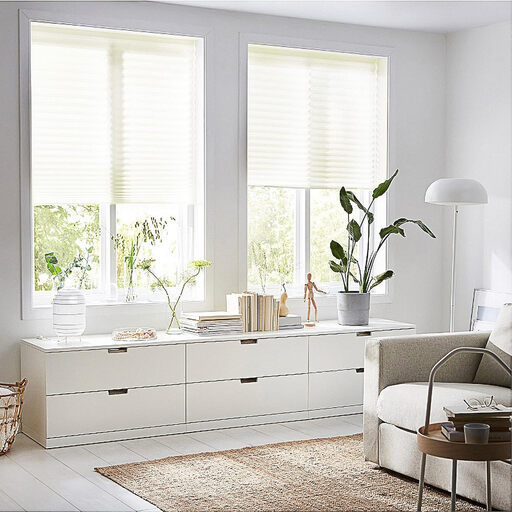
Why this product suits this profile: Its standard size and clamp-fit installation make it suitable for smaller windows in rented homes, with no need for drilling tools.
The product description advises cleaning the frame before installation and checking that the blind is fitted correctly. This helps reduce the risk of the brackets not holding securely.
Beige polyester fabric, clamp-fit installation without drilling and an adjustable position for privacy and glare protection.

Why this product suits this profile: Its honeycomb structure and metal frame will appeal to buyers who value the materials, continuously adjustable operation and understated appearance.
The stated frame thickness of 10–23 mm helps you check whether your window is suitable for clamp mounting. The blind must also be wide enough to avoid clashing with handles or other protrusions.
Polyester honeycomb pleated blind with top and bottom operating handles, clamp-fit brackets and a moisture-repellent surface, according to the product description.
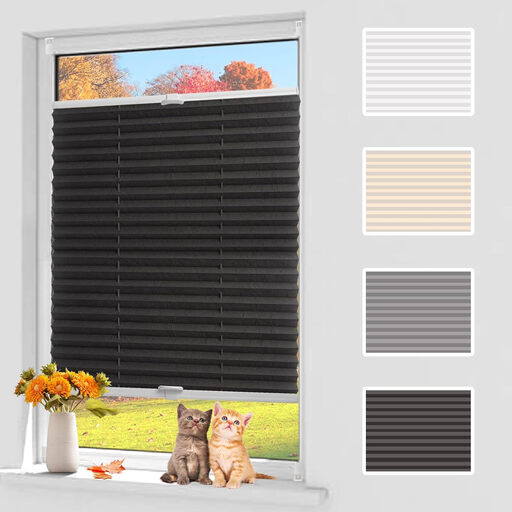
Why this product suits this profile: Its 200 cm height makes it worth considering for tall windows, balcony doors or patio doors, provided the frame and mounting surface are suitable.
The product information distinguishes between light-blocking fabric and full blackout. This helps you form more realistic expectations about how much light will enter the room.
90 × 200 cm, anthracite fabric, adjustable positioning and installation with adjustable clamp brackets, with no drilling required.
We’ve put together a complete, regularly updated list of products that meet these strict selection criteria and the safety regulations in force in the EU.
Before fitting the blind, clean the window frame with a suitable, lint-free cloth. Install the brackets according to the instructions and check that the blind is secure before using it for the first time. If you’re using adhesive brackets, make sure the entire adhesive surface is in contact with the frame.
Polyester fabrics can usually be cleaned with a soft, slightly damp cloth. Harsh cleaning products, stiff brushes and sharp objects can damage the pleated fabric or its coating. Moisture-resistant models are not designed for prolonged contact with water.
How long it lasts depends on the frame material and thickness, the surface, the weight of the product and whether it has been installed correctly. Clean and dry the surface before fitting the blind, and check the brackets regularly. Particularly secure installation is important for doors that are opened frequently.
Measure the width of the glass and the full height of the window sash. Many models recommend a width around 4 cm greater than the glass pane. Also check the window handle, seals and any protruding parts to make sure the blind can move freely.
A manually operated pleated blind does not need electricity. The ongoing costs are therefore largely limited to cleaning and, if necessary, replacing brackets or accessories. However, the room temperature with a sun blind can still depend on the size of the window, the fabric properties, ventilation and exposure to sunlight.