
Lieferung heute & morgen

Qualitätsgarantie

Willkommens-Angebote freischalten: KOSTENLOSE Lieferung | Bis zu 80 % RABATT | Kostenlose 30-Tage-JoyPlus-Testphase
App herunterladen
A clarifying face mask can complement your weekly skincare routine when excess sebum, dirt or visible blemishes build up on your skin. However, choosing the right one is not always easy: clay, charcoal, mud and healing earth masks can differ considerably in their ingredients, application time and how they feel on the skin.
If you focus only on terms such as “detox”, “pore cleansing” or “mattifying”, you may overlook important details. What really matters is the actual formulation, how often it should be used and whether the mask suits your skin.
Detox face mask is primarily a marketing product name. It does not automatically describe a particular level of cleansing or a specific active ingredient. Charcoal, kaolin, bentonite, illite and mud can each contribute different properties to a formulation.
It is therefore more useful to check the INCI list. Kaolin and bentonite are often used in pore-cleansing masks because they can absorb excess oil. In a charcoal mask, on the other hand, Charcoal Powder or Charcoal will usually appear in the relevant position in the ingredients list.
A clay mask does not need to become completely hard or feel very tight on the skin to be effective. Leaving it on for a long time can feel uncomfortable on sensitive or dry skin. Formulations containing glycerine, panthenol, jojoba oil or other nourishing ingredients can affect how the mask feels on the skin.
Follow the application time stated on the packaging. Depending on the product, 5 to 15 minutes may be enough, while some sheet masks are worn for longer. Leaving a mask on for longer does not automatically mean a more thorough cleanse.
Some products combine clay with salicylic acid, lactic acid or mechanical particles. This may appeal to users who want not only to cleanse their skin but also to achieve a smoother-looking surface. At the same time, sensitive or irritated skin requires extra care.
A face mask for blemish-prone skin should not be used on open, severely irritated or sun-exposed areas of skin. For products containing salicylic acid, a patch test in line with the manufacturer’s instructions is recommended.
Kaolin, bentonite and charcoal formulations are often suitable for oily skin. If you are looking for a mask for excess sebum, you should also consider the nourishing base. A cleansing mask containing alcohol, fragrance or essential oils may feel very different from a creamy clay mask with glycerine or plant oils.
For combination skin, applying the mask only to the so-called T-zone may be more appropriate. This reduces the strain on drier areas of the cheeks. For sensitive skin, short application times, a patch test beforehand and avoiding irritated areas are particularly important.
The term face mask for refined-looking pores should be understood as an indication of a smoother-looking complexion. A mask cannot permanently change the size of your pores.
A 50 to 100 ml tube is suitable for regular use, while sachets can be practical when travelling or if you follow a set weekly routine. With large jars, always close the lid securely and keep it clean to prevent the clay from drying out prematurely.
Many products are intended for use once or twice a week. The specific manufacturer’s instructions take priority. If you also use exfoliants, retinoids or other acid-based products, avoid unnecessarily intensifying your skincare routine.
The following selection categorises products according to their formulation, packaging and intended use. It is not a substitute for individual dermatological advice.
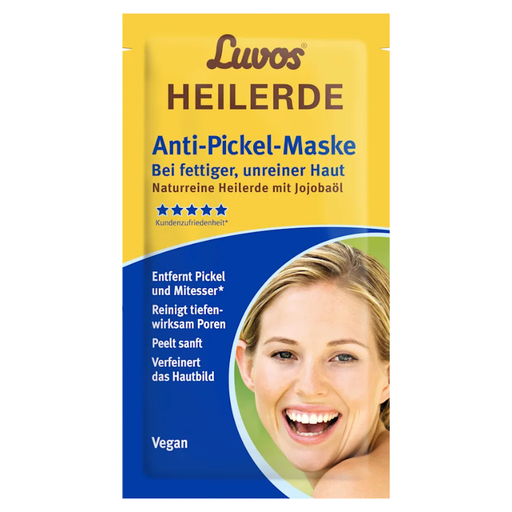
Why this product suits this profile: The combination of natural healing earth and jojoba oil is appealing to beginners looking for a classic healing earth face mask with an added nourishing ingredient.
The product description explicitly mentions jojoba oil and use for oily skin, rather than relying solely on an unclear detox promise.
Healing earth, jojoba oil and a vegan formulation which, according to the product description, contains no parabens, paraffins or mineral oils.
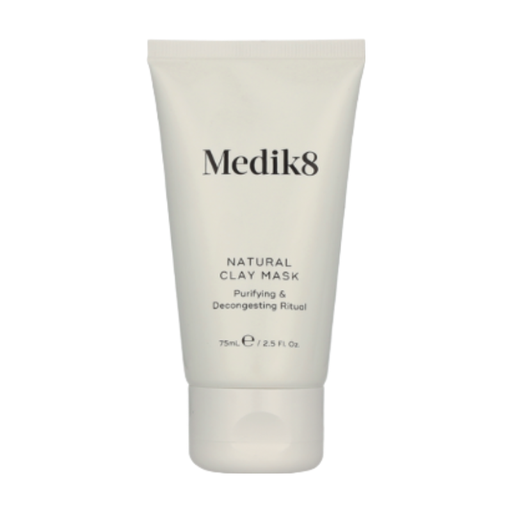
Why this product suits this profile: The 75 ml tube and clear recommendation for weekly use are a good fit for a structured skincare routine.
The 10 to 15-minute application time and the mention of sulphur are clearly stated. This makes it easier to plan your routine than with vague, sweeping promises.
Kaolin and bentonite are the key clays; the formula also contains sulphur and glycerine.

Why this product suits this profile: Eight individually packaged 15 g portions and a small brush are suitable for regular use, travelling or controlled dosing.
The sachets limit how much is dispensed and reduce the risk of a large jar drying out through frequent opening.
Kaolin and bentonite are combined with green tea water, Centella asiatica extract and panthenol.
We have put together a complete, regularly updated list of products that fully meet these strict selection criteria and the safety regulations applicable in the EU.
With a face mask for oily skin, you can limit application to the forehead, nose and chin. When using a new product, testing it on a small area of skin is advisable. Burning, severe redness, itching or a rash are reasons to rinse the product off and stop using it.
The ideal frequency depends on the formulation and your skin’s tolerance. Many clay and mud masks are intended for use once or twice a week. If the product contains acids or also provides mechanical exfoliation, less frequent use may be advisable. Always follow the specific manufacturer’s instructions.
A charcoal mask can absorb excess oil and surface impurities. This may temporarily leave your skin looking more mattified or smoother. However, you should not expect a face mask to permanently reduce the size of your pores.
The printed best-before date and the PAO symbol, which indicates how long a product can be kept after opening, are the key points of reference. The consistency, smell and colour should not change noticeably. Store tubes and jars in a dry place away from direct sunlight; use portioned masks immediately after opening.