
Lieferung heute & morgen

Qualitätsgarantie

Willkommens-Angebote freischalten: KOSTENLOSE Lieferung | Bis zu 80 % RABATT | Kostenlose 30-Tage-JoyPlus-Testphase
App herunterladen
A clarifying lotion often seems like a quick fix for a clearer, more radiant complexion. However, the market is saturated with products whose labels—from facial toners and exfoliating lotions to micellar waters—create more confusion than clarity. Many users invest in products that are unsuitable for their skin type or whose effects fall short of their marketing promises. This guide will help you identify the key features and make an informed choice.
Before making a purchase, it's crucial to understand the common pitfalls that often lead to unsatisfying results and unnecessary expenses.
To find the right lotion, focus on objective parameters rather than advertising claims. The following two criteria are essential for making the correct choice.
The ingredient list (INCI) is your most important tool. The formulation determines whether a product is right for you.
Understand the product's main purpose to integrate it correctly into your skincare routine.
Based on the criteria above, we have identified several products suitable for different skin needs and user profiles.
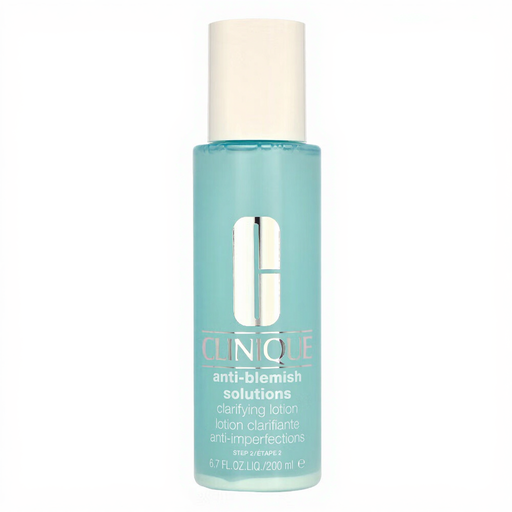
Why this product is a good fit: This lotion was specifically developed for blemish-prone skin. It combines exfoliating properties with ingredients that address the specific problems of this skin type.
The product avoids the "one-size-fits-all" trap with clear positioning for blemish-prone skin. The formula is specific, not universal.
Contains salicylic acid to cleanse pores and Laminaria Saccharina Extract, which can help regulate sebum production.
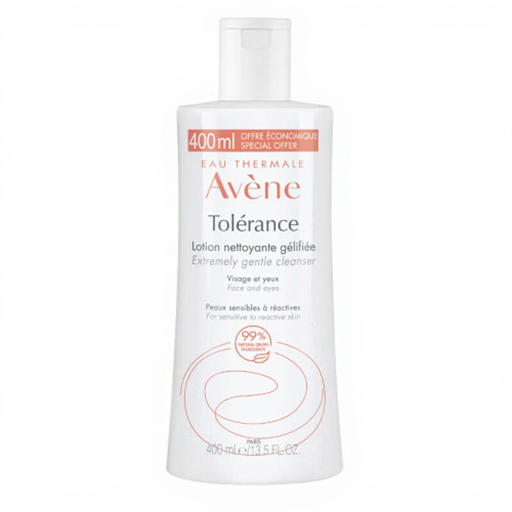
Why this product is a good fit: This lotion is designed as a gentle "no-rinse" cleansing lotion for reactive and sensitive skin. The gel texture minimises friction during application.
The product resolves terminology confusion by being clearly positioned as a "Cleansing Lotion" and not falsely as an exfoliating product.
According to the manufacturer, the formula consists of 99% ingredients of natural origin and is fragrance-free, which reduces the potential for irritation on sensitive skin.
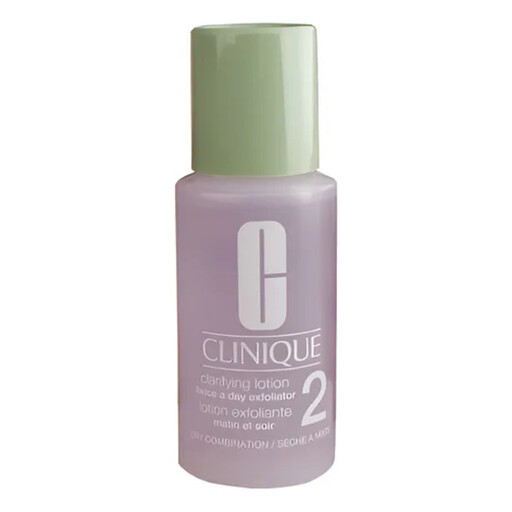
Why this product is a good fit: This lotion offers a balance of gentle exfoliation and hydrating properties, ideal for skin that has both dry and slightly oily areas.
Clinique's numbered system (Lotion 1, 2, 3, 4) is a direct answer to the "one-size-fits-all" trap. It forces the user to consider their own skin type.
The formulation with Glycerin and Witch Hazel helps to clarify the skin without drying it out, optimally preparing it for the subsequent moisturiser.
We've compiled a complete, up-to-date list of products that fully meet these strict selection criteria and current regulations.
1. How often should you use a clarifying lotion? The frequency of use depends heavily on the product and your individual skin tolerance. Exfoliating lotions, especially those with acids, should initially be used only a few times a week to allow the skin to acclimate. If well-tolerated, the frequency can be increased according to the manufacturer's instructions. Gentle cleansing lotions can typically be used daily, morning and evening. Always follow the instructions on the product packaging.
2. Can I use a clarifying lotion with other active ingredients like retinol? Caution is advised here. Combining multiple potent active ingredients, such as a clarifying lotion with salicylic acid and a serum with retinol, can overwhelm the skin and lead to dryness or irritation. A common recommendation is to use them at different times: for example, use the lotion in the morning and the retinol product in the evening. Alternatively, the products can be used on different days.
3. What is the exact difference between a clarifying lotion and a micellar water? A micellar water is primarily a gentle cleansing product. It contains micelles (tiny clusters of molecules) that attract and remove makeup, oil, and dirt without stripping the skin's barrier. A clarifying lotion, on the other hand, is usually an exfoliating facial toner. Its main job, after cleansing, is to remove dead skin cells, refine the skin's texture, and clear pores, often with the help of active ingredients like acids.