
Lieferung heute & morgen

Qualitätsgarantie

Willkommens-Angebote freischalten: KOSTENLOSE Lieferung | Bis zu 80 % RABATT | Kostenlose 30-Tage-JoyPlus-Testphase
App herunterladen
Purchasing a new fridge-freezer is a long-term decision where operating costs play a central role. With rising electricity prices, energy efficiency is becoming a key focus. However, the market is filled with marketing promises and technical data that can be difficult for the average person to decipher. Many buyers focus on the initial purchase price, overlooking costly long-term pitfalls. This guide will help you understand the crucial criteria and find an appliance that truly fits your needs.
The most common purchasing mistakes are easy to spot:
To make an informed decision, you should check three core technical parameters. These largely determine the efficiency, comfort, and longevity of your new appliance.
A Class A appliance consumes significantly less electricity than models in classes B, C, or D. The annual consumption in kilowatt-hours (kWh), indicated on the energy label, allows for a direct cost comparison. Over the average 10 to 15-year lifespan of a refrigerator, the savings from a Class A model can add up to several hundred euros.
For households with open-plan kitchens, the operating noise is a critical factor. A quiet fridge-freezer should not exceed a value of 35 dB. Models around 32 dB are barely perceptible in daily life. Such low levels are often achieved by a modern fridge with an inverter compressor, which continuously adjusts its operation, running more smoothly and quietly.
Two technologies have established themselves as the standard for modern, low-maintenance appliances:
Based on these objective criteria, we have put together a selection of appliances suitable for different households and requirements.
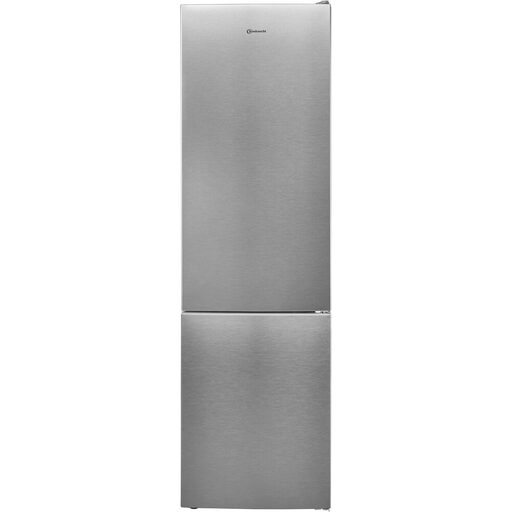
Why it's a great fit: Perfect for households of 2 to 4 people who value maximum energy efficiency and low noise levels. This appliance meets all the criteria for a modern, open-plan kitchen and long-term cost-effective use.
With its Class A energy efficiency and an extremely quiet operation at just 32 dB, this model bypasses the main pitfalls of high running costs and noise disturbance. It focuses on core functions rather than expensive extras.
Very low annual consumption of approx. 112 kWh. Total NoFrost technology and an inverter compressor ensure efficiency and longevity. The timeless stainless steel finish is an added bonus.
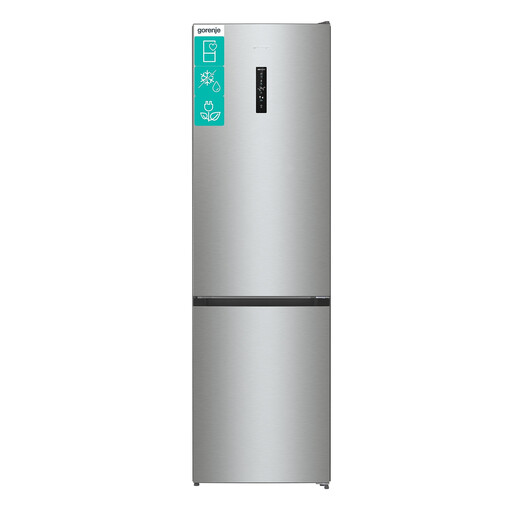
Why it's a great fit: A balanced choice for those who want modern technology like NoFrost and quiet operation but don't have the budget for a top-tier Class A model. Ideal for rental properties and young families.
At 35 dB, the appliance is very quiet for open-plan kitchens. Its Class C energy efficiency is a good rating under the new label, offering a solid compromise between purchase price and running costs.
Features modern cooling technology with NoFrost Plus and a Multi-Airflow system. The annual consumption of approx. 158 kWh is very respectable for its size and feature set.
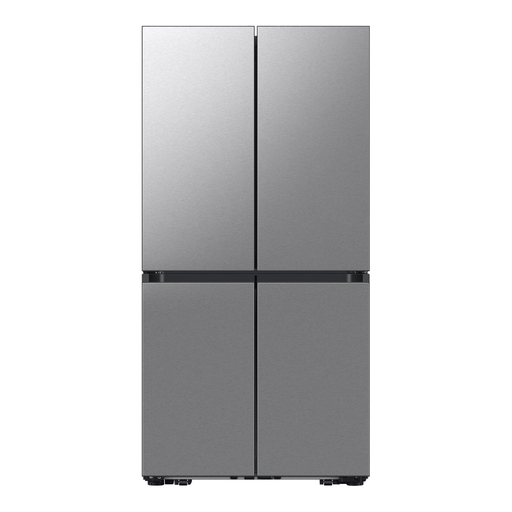
Why it's a great fit: For large families or users who need a lot of storage. The French Door design offers an excellent overview and flexible storage options for big grocery hauls.
Despite its size, the appliance is very quiet at 35 dB. The AI Energy Mode helps to optimise the consumption of its Class D rating by learning usage patterns. This is a smart compromise between size and efficiency.
Huge 669-litre capacity. NoFrost in both compartments, SmartThings connectivity for energy monitoring, and a flexible interior with foldable shelves.
We have compiled a complete, up-to-date list of products that fully meet these strict selection criteria and German safety regulations.
1. What is the annual electricity consumption of a Class A fridge-freezer? Class A energy efficiency appliances are extremely economical. For example, a model like the Bauknecht KGDNF 203 A has a stated annual consumption of only approx. 112 kWh. By comparison, a similarly sized appliance in Class D or E can easily consume twice as much.
2. What does NoFrost technology mean for everyday use? In daily life, NoFrost means you never have to manually defrost the freezer compartment again. A circulating air system wicks away moisture, preventing ice from forming on your food and the interior walls. This keeps the storage space fully usable, stops food from freezing together, and maintains the appliance's long-term energy efficiency.
3. Is it worth paying extra for an inverter compressor? In most cases, yes. An inverter compressor offers three key advantages: it's significantly quieter, uses less energy due to its adaptive performance, and is generally more durable because it experiences less wear and tear from constant on-off cycling. For households that value a quiet environment and long-term cost savings, the investment is well worth it.