Teachers who update classroom displays
If you design your own labels, first check that the font size, format and paper are right for your display. A test print will help you assess the layout.


For occasional colour A4 labels, an inkjet printer with cartridges could be suitable. If you print lots of colour pages regularly, compare a refillable ink-tank printer against your planned print volumes. If you don’t need colour, a monochrome laser printer could be an alternative. You’ll also need to consider the paper you actually use, compatible consumables and a suitable place to put the printer. The DGUV recommends a well-ventilated printer room for shared laser printers.
If you design your own labels, first check that the font size, format and paper are right for your display. A test print will help you assess the layout.
If you regularly print new colour labels, it’s worth comparing the paper feed options and cartridge or ink-tank consumables for your planned use.
If you don’t need colour, you could consider a shared monochrome printer, taking its consumables and a suitable location into account.
A good fit if: you occasionally print colour headings or images and can find a supported paper size.
Things to consider: Check the cost and page yield of the exact cartridges you need. Duplex printing specifications may apply only to plain paper.
A good fit if: you regularly print lots of colour labels and want to compare the purchase price and refill ink costs against your planned use.
Things to consider: Manufacturer claims about ink yield can’t be directly applied to labels with varying levels of colour coverage.
A good fit if: your labels are clear without colour and consist mainly of text.
Things to consider: You won’t be able to add colour accents. Remember to factor in toner and, where applicable, a separate drum unit.
| What matters | What to check when buying | Who it matters most to |
|---|---|---|
| Readable format and paper | Check the finished size, font size on a test print, and the paper type and weight supported by the model and feed. | If you want to print labels on cut-to-size or heavier paper, the sheets need to be compatible with the feed. Around 36% of consumers are likely to prioritise format and readability. |
| Colour for your design | Preview a typical label in black and white to see whether colour is essential for your intended layout. | If you want images or markers to appear in colour, you’ll need colour printing. Black and white may be enough for text-only signs. Around 29% of consumers are likely to prioritise colour. |
| Ongoing costs for regular printing | Note your planned print volume and colour coverage, then compare compatible cartridges, ink bottles or toner, as well as replaceable parts. | If you regularly update your labels, consumables and any additional parts matter as well as the printer itself. Around 21% of consumers are likely to prioritise ongoing costs. |
| Printer location and shared use | Check the available space, ventilation and suitable connection options for shared devices. | If several people use the printer, its location and accessibility can affect how smoothly things run. Around 14% of consumers are likely to prioritise placement and shared use. |
Paper size, paper feed and supported media are specified separately. For the Canon PIXMA TS7650i, duplex printing is specified for A4 or Letter plain paper.
Before buying, check that your specific paper size and weight are approved for the exact model and feed you’ll be using.
Using unsuitable paper could mean extra test prints or having to switch to a different material.
Page yields are based on the stated printing conditions and don’t directly reflect the colour coverage of your own designed signs.
Compare consumables using a typical label page and your planned print volume.
Brother lists toner and drum as separate consumables for the HL-L2865DW.
Include both parts when comparing costs for the specific model, and choose monochrome only if your labels don’t need colour.
For occasional colour labels, the models mentioned include both cartridge and ink-tank options.
The EcoTank ET-2950 is an A4 colour ink-tank all-in-one printer for more regular print jobs.
The HL-L2865DW is a monochrome laser option for labels that don’t need colour.
The Smart Tank 7005 is a refillable colour printer for repeated label printing, with scanning and copying functions.
The printers listed include monochrome laser printers, an inkjet all-in-one printer and portable A4 thermal printers. For your labels, check in particular whether you need colour and whether the paper you plan to use is compatible with the printing method.
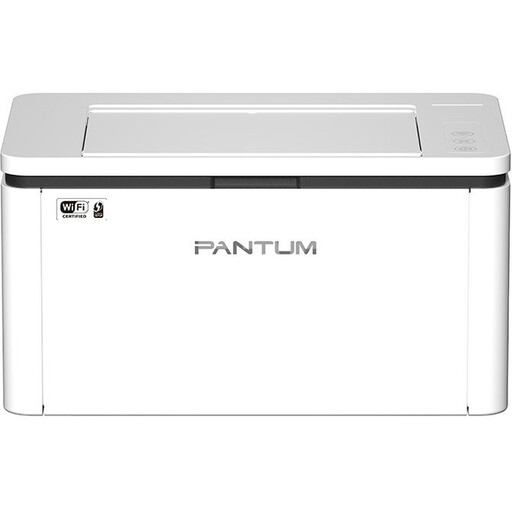 No image available
For text labels that don’t need colour. The model name specifies A4 monochrome laser printing, as well as Wi-Fi and Bluetooth.
 No image available
If you need more than printing, the model name specifies an A4 monochrome laser all-in-one printer.
 No image available
If you need to do more than print, the model name specifies a wireless inkjet all-in-one printer. Before choosing, check its colour capabilities and suitability for your label paper.
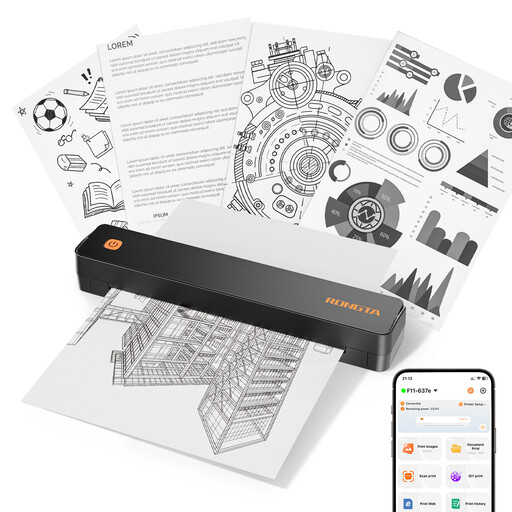 No image available
The model name specifies a portable A4 thermal printer with 203 DPI and 16 mm/s. Before choosing, check that your intended label material is suitable for this printing method.
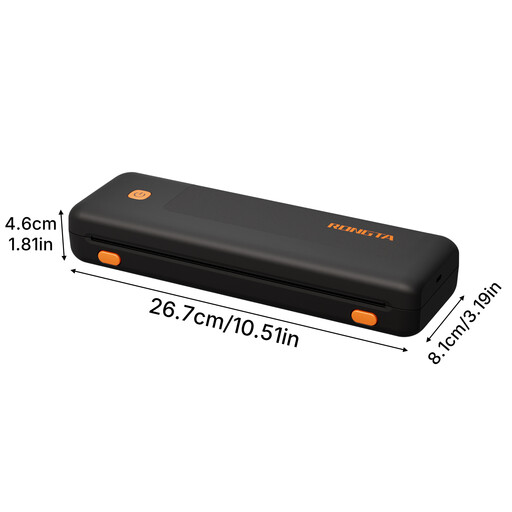 No image available
The model name specifies a portable thermal printer for US Letter, A4, A5 and B5, with 203 DPI and 16 mm/s. Check that your preferred size and label material are suitable for the printing method.
Not just because a printer is specified for A4 or duplex printing. Canon specifies duplex printing on the PIXMA TS7650i for A4 or Letter plain paper. Check the paper, feed and print mode for the specific model.
The DGUV recommends well-ventilated printer rooms for shared printers and advises against pointing ventilation openings towards workstations. This is guidance on where to place a printer, not a blanket legal ban on having one in a classroom.
Check the consumables for the specific model. Brother lists toner and drum separately for the HL-L2865DW, while Canon specifies a user-replaceable maintenance cartridge for the PIXMA TS7650i. Yield claims don’t replace a cost calculation based on the pages you design.
There’s no simple answer without knowing the content, who can access it and the school context. Personal data needs an appropriate legal basis. Check the school’s guidelines before printing names, and avoid unnecessary personal information otherwise. Consent isn’t necessarily the only possible legal basis.
Electrical and electronic waste should be collected separately, not put in general waste. The German Electrical and Electronic Equipment Act (ElektroG) sets out, among other things, take-back and disposal obligations. If the printer belongs to the school, check with the relevant procurement or disposal team.