
Lieferung heute & morgen

Qualitätsgarantie

Willkommens-Angebote freischalten: KOSTENLOSE Lieferung | Bis zu 80 % RABATT | Kostenlose 30-Tage-JoyPlus-Testphase
App herunterladen
A claw hammer might seem like a simple tool. But anyone who has tried to drive a nail precisely with a cumbersome or poorly balanced model knows that the details are crucial. A bad purchase not only leads to frustration but can also be a safety hazard. Before you buy a new hammer, you should know the common pitfalls that often lead to useless tools.
As your Joybuy Product Recommendation Officer, I'll help you distinguish marketing hype from genuine quality features. This guide focuses on the objective criteria that define a reliable tool for your home.
Many hammers look good on the shelf but prove unsuitable in practice. Pay special attention to these three weak points:
To avoid the mistakes mentioned above, you should check three technical features before buying. These are crucial for determining the functionality and longevity of your tool.
The weight of the hammer's head is the most critical criterion. It is usually specified in grams (g) and should match the intended application.
The handle affects not only durability but also handling and vibration transfer.
A claw hammer is distinguished by its two functions. The flat, hardened striking surface, the face, is used for driving nails. The other side, the claw, is an integrated hammer with a nail puller. The V-shaped split allows it to grip nail heads and pull them out of wood using leverage.
In contrast, a machinist's hammer has a pointed peen instead of a claw. This is used for metalwork or for setting pins and bolts. For general home use, the claw hammer is the more practical choice due to its versatility.
Based on the criteria above, we have identified products suitable for specific user groups and their needs.
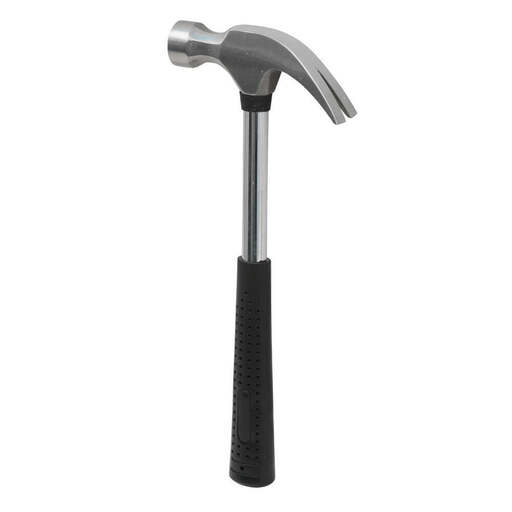
Why This Fits Their Persona: Ideal for those who occasionally need a hammer for simple tasks like hanging pictures, assembling small furniture, or making quick repairs. The low weight ensures fatigue-free and precise work.
With a 225 g head weight, it avoids the mistake of being too heavy. The TPR-coated grip prevents the pitfall of a slippery, insecure handle and offers excellent control.
Lightweight and easy to handle for high precision. The integrated nail puller makes it a versatile tool for any basic kit.
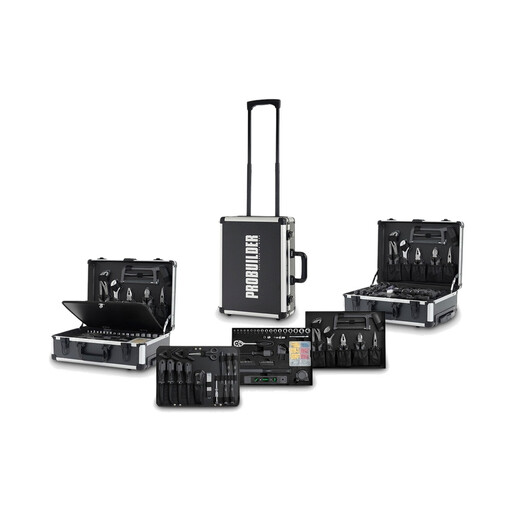
Why This Fits Their Persona: Perfect for moving into a first home or for anyone looking for a complete starter toolset. This set covers all basic needs without having to select each tool individually.
Solves the problem of not knowing which tools you actually need. The included hammer is an all-rounder suitable for most household tasks, so you avoid buying the wrong specialized tool.
Comprehensive set with 83 tools for almost any household task. Everything is neatly stored and portable in a trolley case.
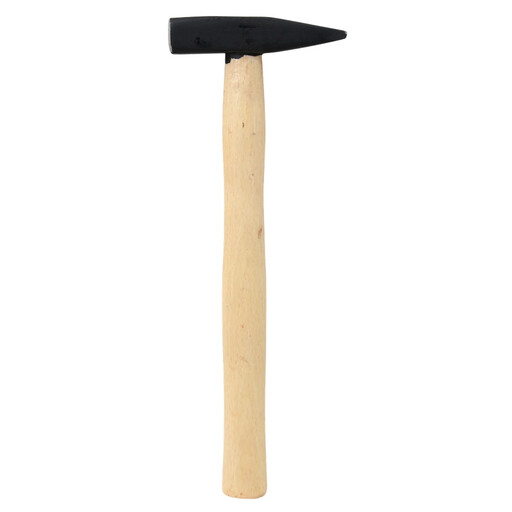
Why This Fits Their Persona: For users who mainly work with small nails, pins, or in model making. The wide face of a claw hammer is often a hindrance here. A machinist's hammer offers more precision for delicate tasks.
Addresses the mistake of using the wrong tool for a specialized job. It makes it clear that a claw hammer is not the optimal solution for every type of nailing work.
The narrow peen allows for precise strikes on small targets like pins or nail heads. The low weight of 200 g ensures maximum control.
We have compiled a complete, up-to-date list of products that fully meet these strict selection criteria and relevant safety regulations.
For universal use around the home, a head weight between 450 g and 600 g is a good compromise between striking power and manageability. If you mainly plan on light tasks like hanging pictures, a lightweight hammer weighing 200 g to 300 g is often more practical and easier to control.
The main difference is the shape of the head. A claw hammer has a split claw that functions as a hammer with a nail puller. A machinist's hammer, on the other hand, has a pointed peen designed for metalwork or for precisely driving pins and small bolts. For general woodworking and home repairs, the claw hammer is more versatile.
A good grip is ergonomically shaped and non-slip. Modern materials like TPR (Thermoplastic Rubber) offer good vibration damping and a secure hold, which is an important safety factor. Make sure the grip fits well in your hand and creates a good balance with the hammer's head.